
World
US Authorizes Resale of Venezuelan Oil to Cuba, Easing Fuel Crisis

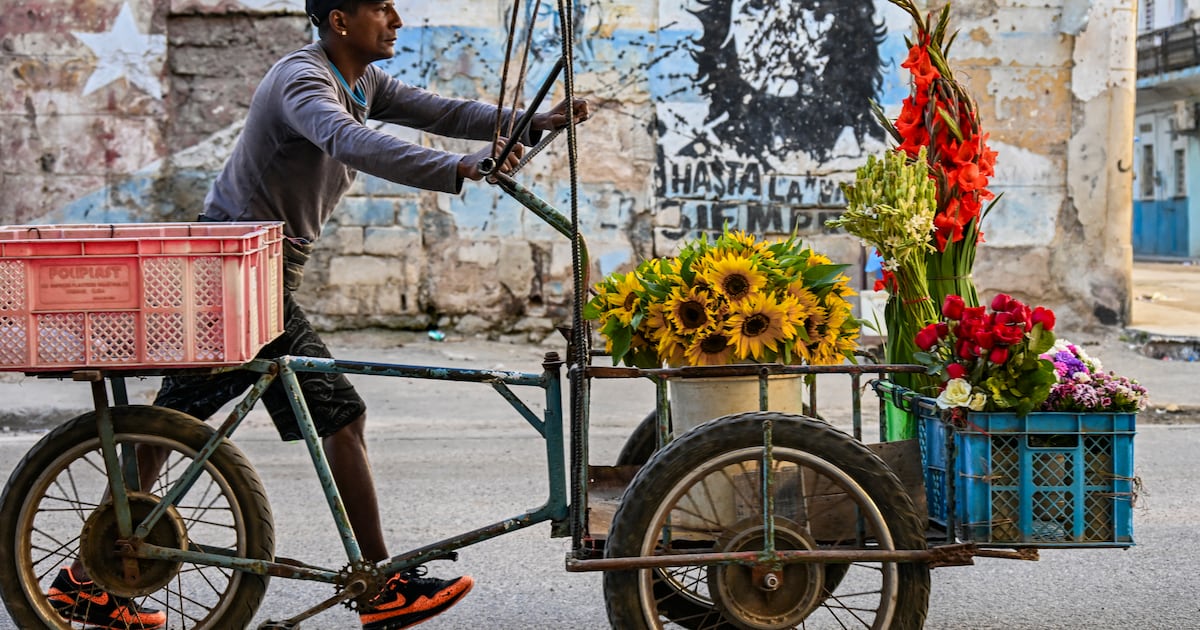
The US Treasury Department announced on Wednesday that it will permit companies to apply for licenses to resell Venezuelan oil to Cuba. This development aims to alleviate the island’s severe fuel shortage, which has intensified since the US imposed restrictions on Venezuelan oil exports earlier this year following the capture of President Nicolás Maduro.
For over 25 years, Venezuela has been the primary supplier of crude oil and fuel to Cuba through a bilateral agreement. However, since January 2025, the cessation of Venezuelan oil shipments has exacerbated Cuba’s energy crisis. Mexico, which had started to serve as an alternative supplier, also suspended fuel deliveries after a shipment arrived in Havana earlier this year, according to shipping data.
New Licensing Policy and Its Implications
The newly established licensing policy comes as major trading firms, including Vitol and Trafigura, manage a significant portion of Venezuela’s oil exports. These firms have been shipping millions of barrels to various markets, including the US, Europe, and India, while also maintaining substantial reserves at Caribbean terminals for resale.
Despite this, challenges remain for Cuba. The US Treasury emphasized that any transactions must “support the Cuban people, including the private sector.” This stipulation suggests that exports must be aimed at commercial and humanitarian needs within Cuba. However, transactions that benefit the Cuban military or government institutions will not be eligible under the new guidelines.
Even with the authorization in place, it remains uncertain whether Cuba can afford to purchase oil without favorable terms. The island has struggled to secure fuel imports on the spot market in recent years, leading to expectations that any prospective purchases will require traditional commercial terms, including cash payments and bank guarantees.
Political Context and Regional Stability
This announcement comes as US Secretary of State Marco Rubio embarks on a visit to the Caribbean to engage with regional leaders. Many of these leaders have raised concerns that Cuba’s escalating humanitarian crisis could lead to instability in the area.
Former President Donald Trump has previously warned that Venezuela’s allies, including China and Cuba, must now pay fair market prices for oil, a shift that further complicates the economic landscape for both nations.
The US government’s decision to ease restrictions highlights a significant shift in policy that aims to address immediate humanitarian needs while navigating the complex geopolitical dynamics in the region. As companies begin to seek licenses for reselling oil, the impact on Cuba’s fuel crisis and its broader implications for regional stability will be closely monitored.

Mother Reveals Daughter’s Meningitis Seizure After Night Out

Major Oil Spill Disrupts Traffic in Donegal on March 16, 2026

Discovering Literature: The Joys of Rejoining a Public Library

Ted Season 2 Announced: Release Date & Trailer Updates Revealed

Research Ireland and UKRI Forge New Collaboration Agreement

David McGoldrick’s Impressive Scoring Streak Sparks World Cup Talk

Plane Crash Claims Lives of Publishing Heir, Pregnant Wife, and Pilot

Oscars Snub Brigitte Bardot Sparks Controversy Over In Memoriam

Meta Plans Major Layoffs to Offset Rising AI Investment Costs

Tributes Surge for 9-Year-Old Leon Briody After Cancer Battle

Aimee Osbourne Joins Family for Emotional Tribute to Ozzy

Danny Healy-Rae Considers Complaint After Altercation with Garda

Hawaii Commemorates 80 Years Since Hiroshima Bombing with Ceremony

Ireland Enjoys Summer Heat as Hurricane Erin Approaches Atlantic

Couple Convicted of Murdering Two-Year-Old Grandson in Wales

Gaza Aid Distribution Tragedy: 20 Killed Amid Ongoing Violence

Newcastle West Woman Patricia Foley Found Safe After Urgent Search

Fianna Fáil TDs Urgently Consider Maire Geoghegan-Quinn for Presidency
-
 Top Stories10 months ago
Tributes Surge for 9-Year-Old Leon Briody After Cancer Battle
-
 Entertainment12 months ago
Aimee Osbourne Joins Family for Emotional Tribute to Ozzy
-
 Politics12 months ago
Danny Healy-Rae Considers Complaint After Altercation with Garda
-
 World1 year ago
Hawaii Commemorates 80 Years Since Hiroshima Bombing with Ceremony
-
 Top Stories11 months ago
Ireland Enjoys Summer Heat as Hurricane Erin Approaches Atlantic
-
 World1 year ago
Couple Convicted of Murdering Two-Year-Old Grandson in Wales
-
 World1 year ago
Gaza Aid Distribution Tragedy: 20 Killed Amid Ongoing Violence
-
 Top Stories10 months ago
Newcastle West Woman Patricia Foley Found Safe After Urgent Search
-
 Top Stories1 year ago
Fianna Fáil TDs Urgently Consider Maire Geoghegan-Quinn for Presidency
-

 World1 year ago
Aristocrat Constance Marten and Partner Convicted of Infant Murder
-

 Top Stories12 months ago
Climbing Errigal: A Must-Do Summer Adventure in Donegal
-

 Top Stories12 months ago
Hike Donegal’s Errigal Mountain NOW for Unforgettable Summer Views