
World
US Urges NATO Allies to Boost Military Forces Amid Troop Reductions

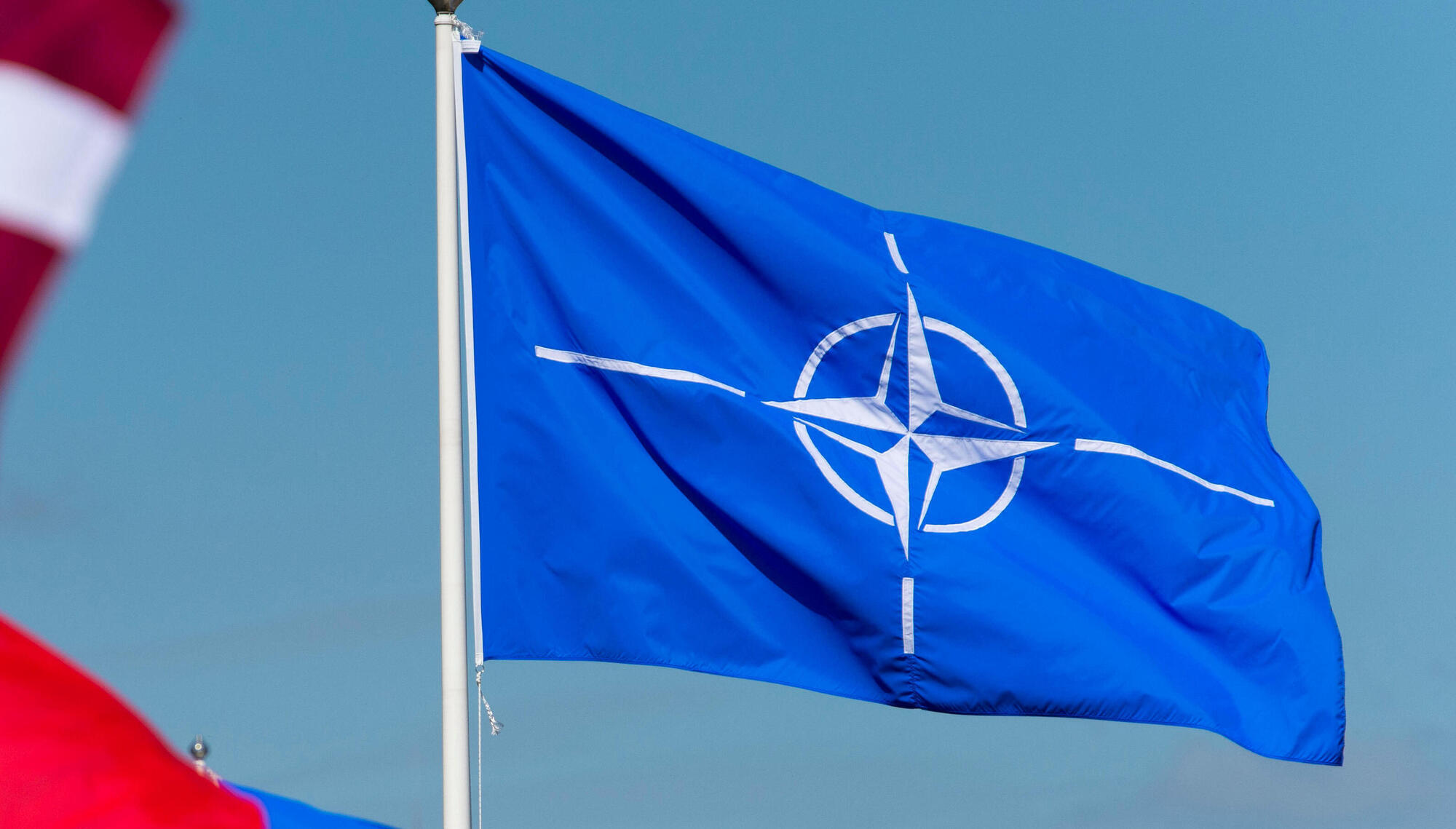
The United States has urged NATO allies to strengthen their military capabilities as the White House plans to reduce its troop presence in Europe. During a meeting in Brussels, Elbridge Colby, the Pentagon’s policy chief, emphasized the need for European nations to take a more proactive role in ensuring their own defense against threats, particularly from Russia.
Colby, addressing the defense ministers of NATO’s 31 member countries, stated that while the US remains steadfast in its commitment to the military alliance, it will be deploying its forces—currently numbering approximately 85,000 in Europe—in a “more limited and focused fashion.” This shift comes as part of a broader strategy to prioritize US interests in other regions, particularly concerning China and the Americas.
In his remarks, Colby highlighted the necessity for Europe to move “beyond inputs and intentions toward outputs and capabilities.” He urged NATO members to prioritize military effectiveness over bureaucratic constraints. “It means making hard choices about force structure, readiness, stockpiles, and industrial capacity that reflect the realities of modern conflict rather than peacetime politics,” he stated.
Increased Defense Spending and Commitment to NATO
Colby’s comments followed an agreement among NATO European members to increase core defense spending to 3.5% of GDP by 2035, aligning with US defense spending levels. However, the implications of this increase remain uncertain, leading to questions about how effectively European nations will enhance their military infrastructure.
Despite the planned troop reductions, Colby reassured NATO allies of the US’s continued provision of an “extended nuclear deterrent.” He reaffirmed the American commitment to NATO’s Article 5, which states that an attack on one member is considered an attack on all. This commitment has been a point of contention in recent years, particularly under the previous administration.
Colby’s attendance at the NATO meeting, in place of his superior, Pete Hegseth, was interpreted as a signal of the shifting dynamics in the alliance. While some European diplomats viewed this as a demonstration of reduced US significance within NATO, they acknowledged Colby’s influence and close ties to Vice President JD Vance.
Moving Forward After Tensions
The backdrop to Colby’s address includes a recent diplomatic rift involving former President Donald Trump, who controversially sought to acquire Greenland from Denmark. NATO Secretary General Mark Rutte sought to downplay the incident, emphasizing that discussions among democracies are a natural part of alliance dynamics. He remarked that Colby’s statements illustrate that the US remains “anchored in NATO.”
Colby’s engagement during the Brussels meeting, where he listened attentively to speeches from the other defense ministers, was seen as a gesture of respect. As NATO navigates the complexities of modern threats and the evolving geopolitical landscape, the call for enhanced military readiness resonates as a crucial priority for member nations.

Mother Reveals Daughter’s Meningitis Seizure After Night Out

Major Oil Spill Disrupts Traffic in Donegal on March 16, 2026

Discovering Literature: The Joys of Rejoining a Public Library

Ted Season 2 Announced: Release Date & Trailer Updates Revealed

Research Ireland and UKRI Forge New Collaboration Agreement

David McGoldrick’s Impressive Scoring Streak Sparks World Cup Talk

Plane Crash Claims Lives of Publishing Heir, Pregnant Wife, and Pilot

Oscars Snub Brigitte Bardot Sparks Controversy Over In Memoriam

Meta Plans Major Layoffs to Offset Rising AI Investment Costs

Tributes Surge for 9-Year-Old Leon Briody After Cancer Battle

Aimee Osbourne Joins Family for Emotional Tribute to Ozzy

Danny Healy-Rae Considers Complaint After Altercation with Garda

Hawaii Commemorates 80 Years Since Hiroshima Bombing with Ceremony

Ireland Enjoys Summer Heat as Hurricane Erin Approaches Atlantic

Couple Convicted of Murdering Two-Year-Old Grandson in Wales

Newcastle West Woman Patricia Foley Found Safe After Urgent Search

Fianna Fáil TDs Urgently Consider Maire Geoghegan-Quinn for Presidency

Gaza Aid Distribution Tragedy: 20 Killed Amid Ongoing Violence
-
 Top Stories7 months ago
Tributes Surge for 9-Year-Old Leon Briody After Cancer Battle
-
 Entertainment8 months ago
Aimee Osbourne Joins Family for Emotional Tribute to Ozzy
-
 Politics8 months ago
Danny Healy-Rae Considers Complaint After Altercation with Garda
-
 World9 months ago
Hawaii Commemorates 80 Years Since Hiroshima Bombing with Ceremony
-
 Top Stories8 months ago
Ireland Enjoys Summer Heat as Hurricane Erin Approaches Atlantic
-
 World9 months ago
Couple Convicted of Murdering Two-Year-Old Grandson in Wales
-
 Top Stories7 months ago
Newcastle West Woman Patricia Foley Found Safe After Urgent Search
-
 Top Stories9 months ago
Fianna Fáil TDs Urgently Consider Maire Geoghegan-Quinn for Presidency
-
 World9 months ago
Gaza Aid Distribution Tragedy: 20 Killed Amid Ongoing Violence
-

 World9 months ago
Aristocrat Constance Marten and Partner Convicted of Infant Murder
-

 Top Stories8 months ago
Hike Donegal’s Errigal Mountain NOW for Unforgettable Summer Views
-

 Top Stories8 months ago
Climbing Errigal: A Must-Do Summer Adventure in Donegal