
Politics
Court-Approved Debt Write-Downs Raise Fairness Concerns in Ireland

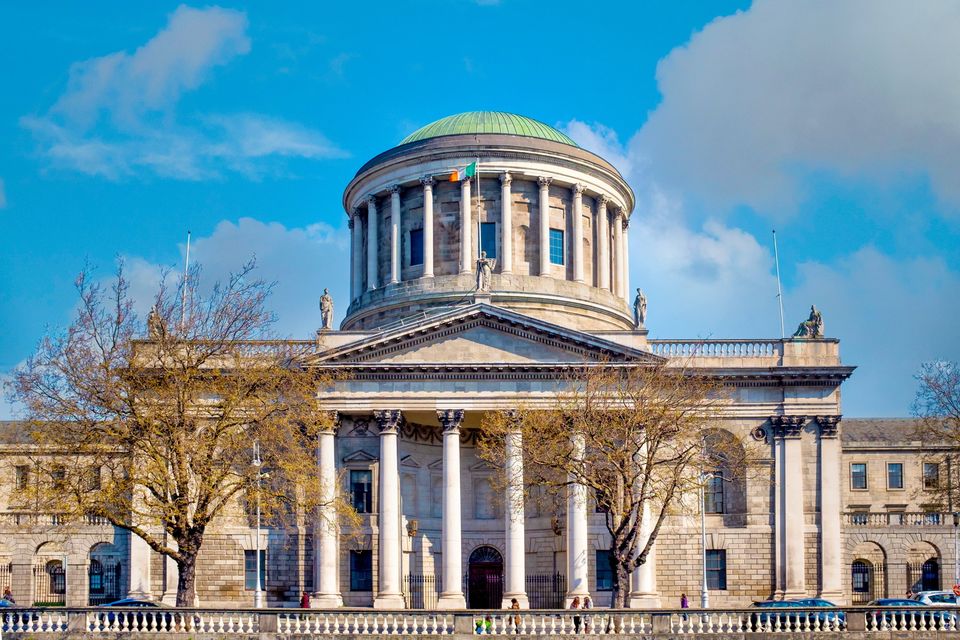
Recent court decisions in Ireland have highlighted significant concerns regarding the treatment of property investors facing financial difficulties. Reports indicate that the High Court has approved debt write-downs, including a notable case involving two Dublin brothers who had €7.6 million in debt alleviated. This development raises serious questions about fairness in the legal and insolvency systems of Ireland.
The nature of these write-downs is particularly troubling for many observers. Property investments are often characterized as high-risk ventures, entered into with the expectation of substantial profits. When these investments succeed, the rewards are retained by the investors. Yet, when they fail, it appears that losses can be mitigated through court-sanctioned insolvency arrangements. This duality has sparked concerns that the system may favor investors over ordinary citizens who face financial challenges.
In a statement to the press, the Irish Independent reported on December 17, 2023, that the High Court’s decision to write off debts has been met with criticism from various sectors of society. Many feel that allowing failed property investors to escape their financial obligations undermines the principles of accountability and fairness. Critics argue that such measures create an uneven playing field where those who take substantial risks can avoid the consequences of their decisions.
The implications of these write-downs extend beyond individual cases. They highlight a potential flaw in Ireland’s approach to insolvency and debt management, especially in the context of the broader economy. As property prices have fluctuated dramatically in recent years, the financial stability of numerous individuals and businesses has been jeopardized. The perceived preferential treatment of property investors could erode public trust in the legal system and lead to calls for reform.
Economists and legal experts have weighed in on the issue, emphasizing the need for a balanced approach that holds all parties accountable. They suggest that reforms may be necessary to ensure that those who engage in high-risk investments do not disproportionately benefit from the safety nets designed for those in genuine financial distress.
As the debate continues, stakeholders across various sectors will be watching closely. The outcomes of these discussions could shape future policies regarding insolvency and debt resolution in Ireland. The call for fairness in the treatment of all individuals facing financial difficulties remains a central theme as the situation unfolds.
In conclusion, the recent court-approved debt write-downs for property investors, including the significant case involving the Dublin brothers, have raised pressing questions about equity in Ireland’s insolvency system. The response from the public and policymakers will likely influence how these issues are addressed in the future, with potential implications for the broader economic landscape.

Mother Reveals Daughter’s Meningitis Seizure After Night Out

Major Oil Spill Disrupts Traffic in Donegal on March 16, 2026

Discovering Literature: The Joys of Rejoining a Public Library

Ted Season 2 Announced: Release Date & Trailer Updates Revealed

Research Ireland and UKRI Forge New Collaboration Agreement

David McGoldrick’s Impressive Scoring Streak Sparks World Cup Talk

Plane Crash Claims Lives of Publishing Heir, Pregnant Wife, and Pilot

Oscars Snub Brigitte Bardot Sparks Controversy Over In Memoriam

Meta Plans Major Layoffs to Offset Rising AI Investment Costs

Tributes Surge for 9-Year-Old Leon Briody After Cancer Battle

Aimee Osbourne Joins Family for Emotional Tribute to Ozzy

Danny Healy-Rae Considers Complaint After Altercation with Garda

Hawaii Commemorates 80 Years Since Hiroshima Bombing with Ceremony

Ireland Enjoys Summer Heat as Hurricane Erin Approaches Atlantic

Couple Convicted of Murdering Two-Year-Old Grandson in Wales

Gaza Aid Distribution Tragedy: 20 Killed Amid Ongoing Violence

Newcastle West Woman Patricia Foley Found Safe After Urgent Search

Fianna Fáil TDs Urgently Consider Maire Geoghegan-Quinn for Presidency
-
 Top Stories10 months ago
Tributes Surge for 9-Year-Old Leon Briody After Cancer Battle
-
 Entertainment12 months ago
Aimee Osbourne Joins Family for Emotional Tribute to Ozzy
-
 Politics12 months ago
Danny Healy-Rae Considers Complaint After Altercation with Garda
-
 World12 months ago
Hawaii Commemorates 80 Years Since Hiroshima Bombing with Ceremony
-
 Top Stories11 months ago
Ireland Enjoys Summer Heat as Hurricane Erin Approaches Atlantic
-
 World12 months ago
Couple Convicted of Murdering Two-Year-Old Grandson in Wales
-
 World12 months ago
Gaza Aid Distribution Tragedy: 20 Killed Amid Ongoing Violence
-
 Top Stories10 months ago
Newcastle West Woman Patricia Foley Found Safe After Urgent Search
-
 Top Stories12 months ago
Fianna Fáil TDs Urgently Consider Maire Geoghegan-Quinn for Presidency
-

 World12 months ago
Aristocrat Constance Marten and Partner Convicted of Infant Murder
-

 Top Stories11 months ago
Climbing Errigal: A Must-Do Summer Adventure in Donegal
-

 Top Stories11 months ago
Hike Donegal’s Errigal Mountain NOW for Unforgettable Summer Views