
Business
Bulgaria Joins Eurozone as Remaining EU Nations Consider Currency Shift

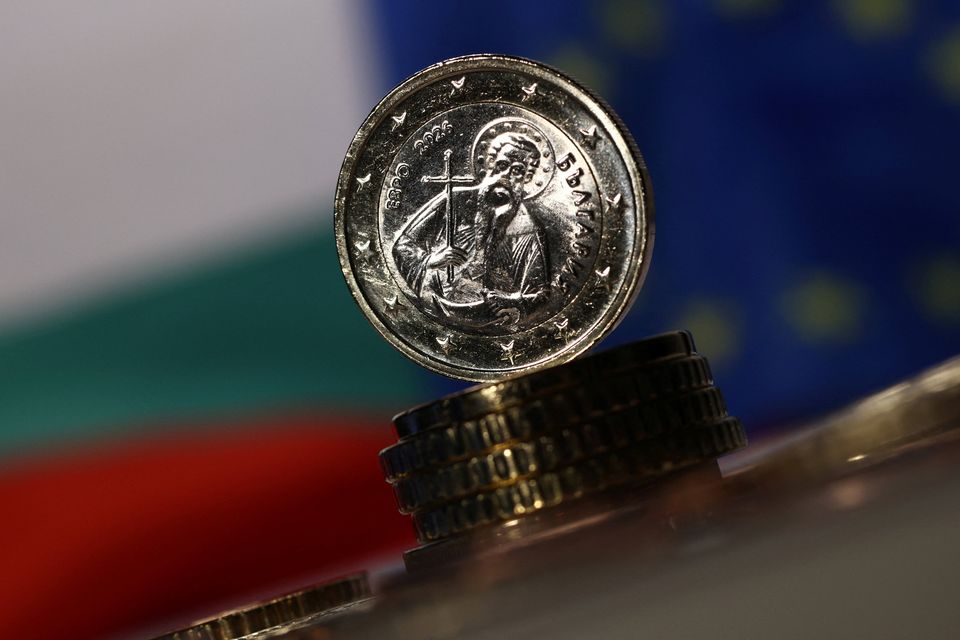
Bulgaria officially became the 21st member of the Eurozone on January 1, 2024, marking a significant milestone in the country’s economic integration within the European Union. Despite the achievement, approximately half of the Bulgarian electorate remains opposed to adopting the single currency, raising questions about the future of the euro within the EU.
Bulgaria’s entry into the Eurozone leaves only a few countries in the 27-member European Union yet to adopt the euro. Notably, nations such as Hungary, Poland, and Sweden have maintained their own currencies, illustrating a complex landscape of currency choices within Europe. While public sentiment in these nations shows considerable support for the euro, political dynamics complicate the potential for immediate accession.
In Hungary, for instance, euro-sceptic parties have gained influence in the government, stalling discussions about the euro’s adoption. The governing coalition, which includes these parties, has slowed momentum towards joining the Eurozone, despite a relatively high level of public support for the euro among the population.
The situation in Poland is similar. Although there is substantial backing for the euro among citizens, the ruling party has expressed reservations about relinquishing control over monetary policy. As a result, Poland’s timeline for euro adoption remains uncertain, with no clear path on the horizon.
Sweden presents a unique case as well. Following a failed referendum in 2003, where a majority of voters opted against joining the Eurozone, public opinion has shifted. Recent polls indicate a growing acceptance of the euro, yet the Swedish government continues to prioritize stability and economic independence over immediate integration.
As Bulgaria transitions to using the euro, the implications for its economy are significant. Analysts predict that joining the Eurozone could enhance trade and investment opportunities, further integrating Bulgaria into the European market. However, the mixed feelings among the electorate suggest that the government will need to address concerns about the impact of currency change on prices and wages.
The expansion of the Eurozone will likely remain a contentious topic in the coming years. With euro-sceptic sentiments influencing governing coalitions, further additions to the currency bloc may be limited. Political leaders in remaining EU countries must navigate these complex dynamics, balancing public sentiment with economic strategy.
In conclusion, Bulgaria’s accession to the Eurozone marks a pivotal moment in its economic journey, yet the future of the euro in the European Union remains uncertain. As a handful of nations continue to hold out, the interplay between public opinion and political will will shape the trajectory of the euro’s expansion for the foreseeable future.

Mother Reveals Daughter’s Meningitis Seizure After Night Out

Major Oil Spill Disrupts Traffic in Donegal on March 16, 2026

Discovering Literature: The Joys of Rejoining a Public Library

Ted Season 2 Announced: Release Date & Trailer Updates Revealed

Research Ireland and UKRI Forge New Collaboration Agreement

David McGoldrick’s Impressive Scoring Streak Sparks World Cup Talk

Plane Crash Claims Lives of Publishing Heir, Pregnant Wife, and Pilot

Oscars Snub Brigitte Bardot Sparks Controversy Over In Memoriam

Meta Plans Major Layoffs to Offset Rising AI Investment Costs

Tributes Surge for 9-Year-Old Leon Briody After Cancer Battle

Aimee Osbourne Joins Family for Emotional Tribute to Ozzy

Danny Healy-Rae Considers Complaint After Altercation with Garda

Hawaii Commemorates 80 Years Since Hiroshima Bombing with Ceremony

Ireland Enjoys Summer Heat as Hurricane Erin Approaches Atlantic

Couple Convicted of Murdering Two-Year-Old Grandson in Wales

Gaza Aid Distribution Tragedy: 20 Killed Amid Ongoing Violence

Newcastle West Woman Patricia Foley Found Safe After Urgent Search

Fianna Fáil TDs Urgently Consider Maire Geoghegan-Quinn for Presidency
-
 Top Stories12 months ago
Tributes Surge for 9-Year-Old Leon Briody After Cancer Battle
-
 Entertainment1 year ago
Aimee Osbourne Joins Family for Emotional Tribute to Ozzy
-
 Politics1 year ago
Danny Healy-Rae Considers Complaint After Altercation with Garda
-
 World1 year ago
Hawaii Commemorates 80 Years Since Hiroshima Bombing with Ceremony
-
 Top Stories1 year ago
Ireland Enjoys Summer Heat as Hurricane Erin Approaches Atlantic
-
 World1 year ago
Couple Convicted of Murdering Two-Year-Old Grandson in Wales
-
 World1 year ago
Gaza Aid Distribution Tragedy: 20 Killed Amid Ongoing Violence
-
 Top Stories12 months ago
Newcastle West Woman Patricia Foley Found Safe After Urgent Search
-
 Top Stories1 year ago
Fianna Fáil TDs Urgently Consider Maire Geoghegan-Quinn for Presidency
-

 World1 year ago
Aristocrat Constance Marten and Partner Convicted of Infant Murder
-

 Top Stories1 year ago
Climbing Errigal: A Must-Do Summer Adventure in Donegal
-

 Top Stories1 year ago
Hike Donegal’s Errigal Mountain NOW for Unforgettable Summer Views