
Business
New Plan Aims to Boost PSNI Officer Numbers to Over 7,500

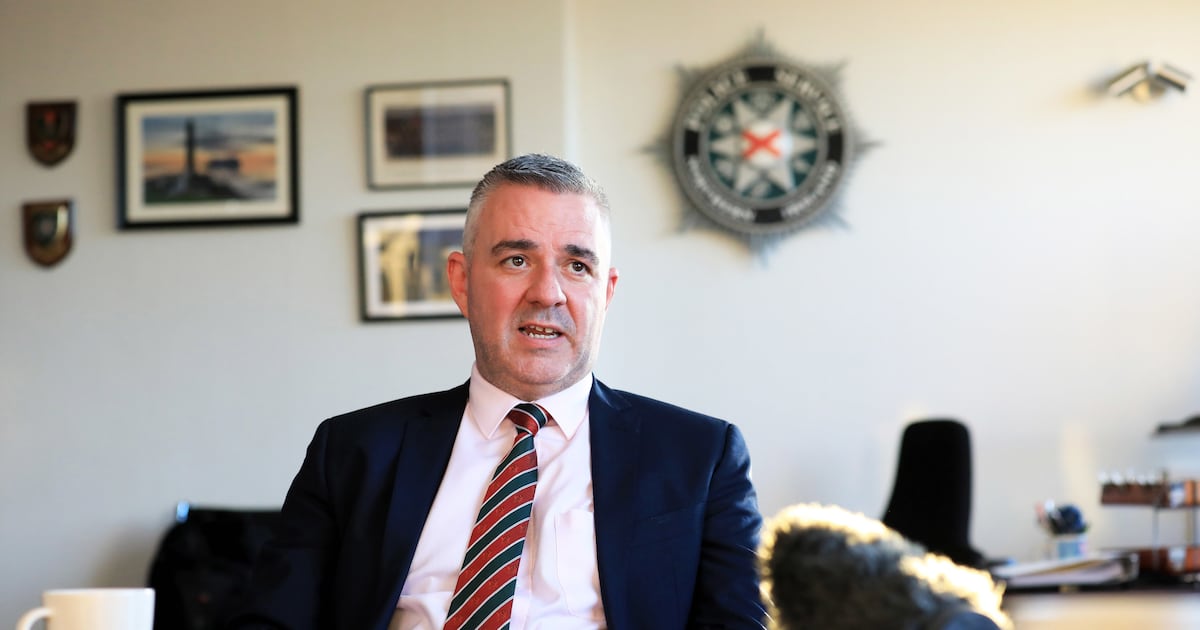
The Police Service of Northern Ireland (PSNI) is set to increase its target number of police officers to more than 7,500 as part of a new plan aimed at addressing staffing shortages. This initiative follows a significant decline in officer numbers, which fell to 6,190 last summer, considerably below the target established in the Patten Report of 1999.
The Police Federation for Northern Ireland chairman, Liam Kelly, highlighted that the original target of 7,500 officers was based on a smaller population and included the expectation of 2,500 part-time officers. Currently, there are only 142 part-time officers serving in the PSNI. In response to these staffing challenges, Chief Constable Jon Boutcher has devised a recovery plan that aims to raise officer numbers to 7,000 by 2028.
Kelly indicated that funding uncertainty has contributed to the decline in officer numbers. “We actually had our lowest number of officers just before the summer, we had 6,190,” he stated. As of December 2023, the number of officers has increased slightly to 6,245. However, he noted that the business case for the recovery plan was based on a starting figure of 6,350, leaving the PSNI already behind its projected targets.
Funding Challenges and Operational Impact
The first year of the recovery plan received a funding allocation of £7 million, but Kelly emphasized that this is insufficient to meet the necessary staffing levels. He expressed concern that the PSNI will struggle to reach 6,500 officers by April 2026. “We’re already 150 behind, and that gap will need to be addressed in subsequent years,” he explained.
Recent incidents of rioting in locations such as Ballymena, Larne, and Portadown have underscored the urgency of this staffing issue. Kelly remarked on the operational difficulties faced by officers, noting that fewer personnel lead to increased workloads, ultimately impacting officer well-being and raising sickness levels within the force.
“The key to all this is proper investment in the PSNI,” he asserted, emphasizing that without adequate resources, the force would be unable to respond effectively to public safety needs.
Future Staffing Needs
A report from Leapwise in 2024 suggested that the PSNI requires between 8,000 and 8,500 officers to effectively manage current demands. Kelly pointed out that even with the planned recovery measures, the PSNI will still fall short of meeting this requirement.
Discussions with Chief Constable Boutcher are ongoing, with a focus on determining the precise number of officers needed. A comprehensive report is set to be commissioned by the Department of Justice, the Policing Board, and the PSNI. This report aims to establish a definitive staffing requirement as the PSNI approaches its 25th anniversary.
Kelly is optimistic that the forthcoming report will clarify the needs of the PSNI, allowing for a well-founded business plan to be developed. “I can tell you now it’s going to be, obviously, more than 7,000 and I think most parties agree that our numbers are not what they need to be,” he stated.
As the landscape of policing in Northern Ireland continues to evolve, the emphasis on securing adequate funding and resources remains a pressing issue, critical to the effective functioning of the PSNI and the safety of the communities it serves.

Mother Reveals Daughter’s Meningitis Seizure After Night Out

Major Oil Spill Disrupts Traffic in Donegal on March 16, 2026

Discovering Literature: The Joys of Rejoining a Public Library

Ted Season 2 Announced: Release Date & Trailer Updates Revealed

Research Ireland and UKRI Forge New Collaboration Agreement

David McGoldrick’s Impressive Scoring Streak Sparks World Cup Talk

Plane Crash Claims Lives of Publishing Heir, Pregnant Wife, and Pilot

Oscars Snub Brigitte Bardot Sparks Controversy Over In Memoriam

Meta Plans Major Layoffs to Offset Rising AI Investment Costs

Tributes Surge for 9-Year-Old Leon Briody After Cancer Battle

Aimee Osbourne Joins Family for Emotional Tribute to Ozzy

Danny Healy-Rae Considers Complaint After Altercation with Garda

Hawaii Commemorates 80 Years Since Hiroshima Bombing with Ceremony

Ireland Enjoys Summer Heat as Hurricane Erin Approaches Atlantic

Couple Convicted of Murdering Two-Year-Old Grandson in Wales

Gaza Aid Distribution Tragedy: 20 Killed Amid Ongoing Violence

Newcastle West Woman Patricia Foley Found Safe After Urgent Search

Fianna Fáil TDs Urgently Consider Maire Geoghegan-Quinn for Presidency
-
 Top Stories12 months ago
Tributes Surge for 9-Year-Old Leon Briody After Cancer Battle
-
 Entertainment1 year ago
Aimee Osbourne Joins Family for Emotional Tribute to Ozzy
-
 Politics1 year ago
Danny Healy-Rae Considers Complaint After Altercation with Garda
-
 World1 year ago
Hawaii Commemorates 80 Years Since Hiroshima Bombing with Ceremony
-
 Top Stories1 year ago
Ireland Enjoys Summer Heat as Hurricane Erin Approaches Atlantic
-
 World1 year ago
Couple Convicted of Murdering Two-Year-Old Grandson in Wales
-
 World1 year ago
Gaza Aid Distribution Tragedy: 20 Killed Amid Ongoing Violence
-
 Top Stories12 months ago
Newcastle West Woman Patricia Foley Found Safe After Urgent Search
-
 Top Stories1 year ago
Fianna Fáil TDs Urgently Consider Maire Geoghegan-Quinn for Presidency
-

 World1 year ago
Aristocrat Constance Marten and Partner Convicted of Infant Murder
-

 Top Stories1 year ago
Climbing Errigal: A Must-Do Summer Adventure in Donegal
-

 Top Stories1 year ago
Hike Donegal’s Errigal Mountain NOW for Unforgettable Summer Views