
Business
Simon Harris Signals Return of Tax Cuts with Conditions

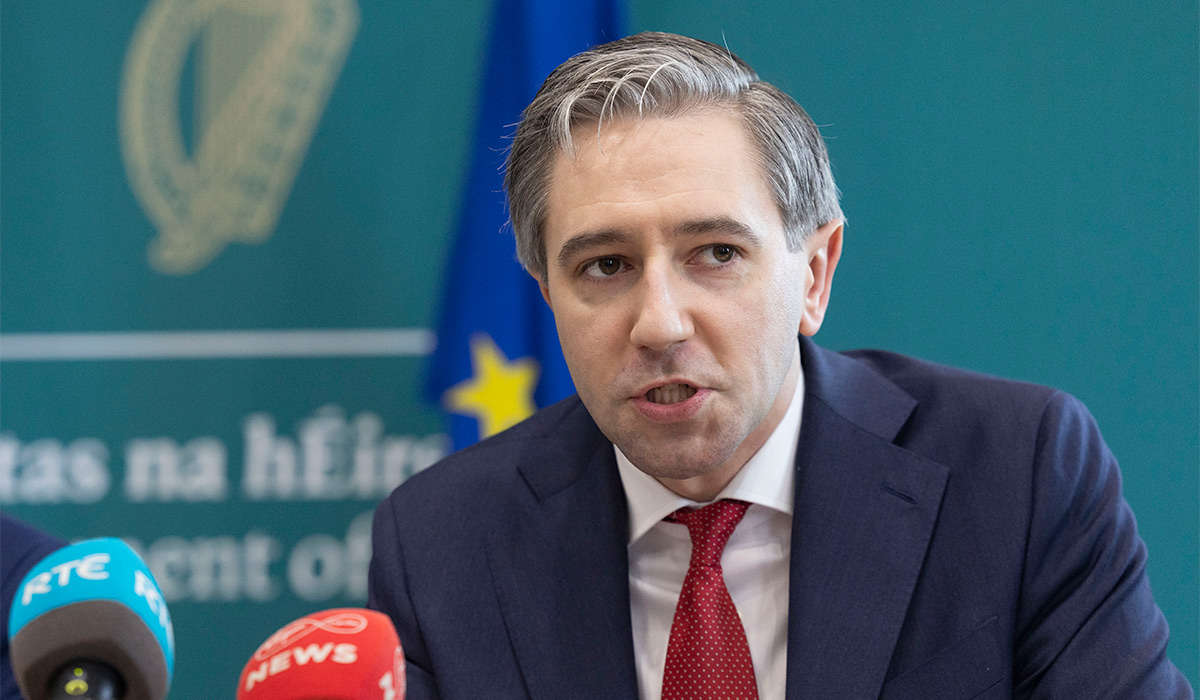
Simon Harris, the Tánaiste of Ireland, has indicated a potential return to tax cuts, contingent upon strict fiscal discipline from his Ministerial colleagues. This statement comes following the Coalition’s decision not to reduce tax rates in the upcoming October Budget, which has raised significant concerns within the ranks of Fianna Fáil and Fine Gael.
The dialogue surrounding tax reform has grown increasingly subdued within the upper echelons of the Government. The initial discussions began with the Programme for Government established in 2025, which primarily focused on implementing progressive changes to taxation. This includes indexing tax credits and bands to ensure that the real burden of income tax does not escalate. Importantly, the document stipulates that any changes will only be feasible if the economy remains robust.
In a recent address, Harris described the Government’s Medium-Term Fiscal and Structural Plan as a pivotal shift in Ireland’s fiscal policy, yet it only superficially addressed the topic of tax cuts. The plan emphasizes a commitment to capping annual public spending increases at 6% for the next five budgets, signalling a cautious approach to fiscal management.
The implications of Ireland’s narrow tax base were highlighted by the Department of Finance, which noted that this limits budgetary flexibility. The Government’s current policy framework does not automatically adjust income tax bands or credits, further complicating the prospect of tax reductions.
During a recent debate on the Finance Bill, Harris noted, “This Budget needs to be seen through the Finance Bill in the round. It is installment one of five.” He emphasized the need for a return to a predictable rhythm of income tax packages in future budgets, indicating a desire to re-engage in discussions surrounding tax cuts.
One member of Fine Gael commented on the current fiscal environment, stating, “The Prudent Paschal takeover is complete,” referring to the cautious approach adopted since the tenure of former Minister for Finance, Paschal Donohoe. This sentiment reflects a broader concern that tax discussions have become secondary to overall fiscal discipline.
A source within the Government suggested that the Finance Minister aims to provide clarity on the Coalition’s direction for the next five years. The source articulated a “Faustian deal” wherein tax cuts could resurface only if spending is effectively managed. “It’s going to be fiscally cautious,” the source noted, emphasizing that while new tax rates are not on the horizon, a modest return to tax cuts could be possible.
Harris’s assumption of the Finance portfolio has drawn some criticism, given the complexities that come with the role. Nonetheless, supporters argue that Harris possesses a political acumen that is essential for navigating these challenges. One supporter remarked, “There is nothing more political than Finance, and there is no one more political than Harris.”
As the Government grapples with these fiscal challenges, the focus will remain on balancing economic growth with the need for potential tax reforms. Harris’s approach will likely set the tone for future budget discussions and the overall economic strategy of the Coalition as it seeks to maintain both stability and confidence among the public.

Mother Reveals Daughter’s Meningitis Seizure After Night Out

Major Oil Spill Disrupts Traffic in Donegal on March 16, 2026

Discovering Literature: The Joys of Rejoining a Public Library

Ted Season 2 Announced: Release Date & Trailer Updates Revealed

Research Ireland and UKRI Forge New Collaboration Agreement

David McGoldrick’s Impressive Scoring Streak Sparks World Cup Talk

Plane Crash Claims Lives of Publishing Heir, Pregnant Wife, and Pilot

Oscars Snub Brigitte Bardot Sparks Controversy Over In Memoriam

Meta Plans Major Layoffs to Offset Rising AI Investment Costs

Tributes Surge for 9-Year-Old Leon Briody After Cancer Battle

Aimee Osbourne Joins Family for Emotional Tribute to Ozzy

Danny Healy-Rae Considers Complaint After Altercation with Garda

Hawaii Commemorates 80 Years Since Hiroshima Bombing with Ceremony

Ireland Enjoys Summer Heat as Hurricane Erin Approaches Atlantic

Couple Convicted of Murdering Two-Year-Old Grandson in Wales

Gaza Aid Distribution Tragedy: 20 Killed Amid Ongoing Violence

Newcastle West Woman Patricia Foley Found Safe After Urgent Search

Fianna Fáil TDs Urgently Consider Maire Geoghegan-Quinn for Presidency
-
 Top Stories12 months ago
Tributes Surge for 9-Year-Old Leon Briody After Cancer Battle
-
 Entertainment1 year ago
Aimee Osbourne Joins Family for Emotional Tribute to Ozzy
-
 Politics1 year ago
Danny Healy-Rae Considers Complaint After Altercation with Garda
-
 World1 year ago
Hawaii Commemorates 80 Years Since Hiroshima Bombing with Ceremony
-
 Top Stories1 year ago
Ireland Enjoys Summer Heat as Hurricane Erin Approaches Atlantic
-
 World1 year ago
Couple Convicted of Murdering Two-Year-Old Grandson in Wales
-
 World1 year ago
Gaza Aid Distribution Tragedy: 20 Killed Amid Ongoing Violence
-
 Top Stories11 months ago
Newcastle West Woman Patricia Foley Found Safe After Urgent Search
-
 Top Stories1 year ago
Fianna Fáil TDs Urgently Consider Maire Geoghegan-Quinn for Presidency
-

 World1 year ago
Aristocrat Constance Marten and Partner Convicted of Infant Murder
-

 Top Stories1 year ago
Climbing Errigal: A Must-Do Summer Adventure in Donegal
-

 Top Stories1 year ago
Hike Donegal’s Errigal Mountain NOW for Unforgettable Summer Views