
Health
Hormone Replacement Therapy Revolutionizes Menopause Care in Ireland

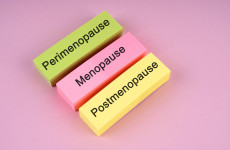
On June 1, 2025, a significant policy shift in women’s healthcare occurred in Ireland with the introduction of free access to Hormone Replacement Therapy (HRT). This initiative allows women to obtain essential medications and products at no cost through pharmacies, provided they have a medical card or are registered with the Drug Payment Scheme. This landmark decision represents a crucial advancement in managing menopausal symptoms, which affect a large segment of the female population.
Understanding the Impact of Menopause and HRT
Menopause can bring about a range of symptoms, including hot flushes, mood changes, and cognitive difficulties often referred to as “brain fog.” For many women, these changes significantly impact daily life. Recent discussions among women experiencing menopause reveal varying degrees of distress associated with these symptoms. While some find the transition manageable, others report profound challenges that affect their emotional well-being.
During a recent gathering, one participant shared her struggles with what she termed “hangxiety,” the anxiety that follows alcohol consumption, compounded by hormonal changes. She noted that the two-day hangover effect after just a few drinks highlighted a marked change in her alcohol tolerance. This phenomenon is increasingly recognized as a common experience during perimenopause and menopause, prompting many women to reassess their drinking habits.
In light of these experiences, the role of HRT has gained prominence. Women who have started HRT report substantial improvements in their quality of life, including the alleviation of troublesome symptoms and enhanced overall health. As women today consider their options, many are advocating for HRT as a viable solution to manage menopausal changes.
A Historical Perspective on HRT
The journey of HRT has been tumultuous. Initially celebrated in the 1960s as a breakthrough for women’s health, its reputation suffered a setback following a controversial Women’s Health Initiative (WHI) study in the early 2000s. This study suggested that the risks associated with HRT may outweigh its benefits, leading to widespread concern among both patients and healthcare providers.
However, recent advancements in medical research have transformed HRT into a more personalized and safer option. Women today benefit not only from improved formulations but also from a broader understanding of hormonal health. For instance, research released on January 27, 2023, in the UK linked menopause to brain changes similar to those observed in Alzheimer’s disease, underscoring the importance of addressing hormonal health during this life stage.
With the Irish government’s decision to provide free HRT, women now have unprecedented access to treatments that can significantly improve their health outcomes. This change is particularly poignant for the generations of women who preceded today’s patients, who often navigated menopause with limited medical support.
Prof Donal O’Shea, a consultant endocrinologist and clinical lead for obesity at HSE, advocates for HRT, encouraging women to consider it as they reach menopause. His support reinforces the notion that informed choices can lead to better health outcomes, making it essential for women to discuss their symptoms with healthcare providers.
Inevitably, as women share their experiences, the dialogue surrounding HRT continues to evolve. Many have embraced the therapy, noting improvements in bone density, heart health, and overall well-being. Reports indicate that women using HRT often experience a reduction in osteoporosis risk and a lower likelihood of developing certain cancers.
As awareness grows, so does the interest in HRT. Women are increasingly seeking advice on how to best manage their health during menopause, with many turning to their general practitioners to explore HRT options. Personal testimonies highlight the transformative effects of HRT, with users often expressing that the therapy has become a vital component of their health regimen.
While the benefits of HRT are evident, it is important to note that it does not resolve all menopausal challenges. Women are still navigating mood swings, irritability, and other emotional aspects of menopause. As one woman humorously noted, while HRT may improve physical symptoms, it does not necessarily make them more inclined to take on household chores. Such candid discussions reflect the ongoing journey many women face during this transition.
In conclusion, the introduction of free HRT in Ireland marks a pivotal moment in women’s health. As more women engage in conversations about their experiences, the stigma surrounding menopause and its management continues to diminish. With increased access to HRT, women are better equipped to navigate this significant life change, paving the way for future generations to approach menopause with confidence and support.

Mother Reveals Daughter’s Meningitis Seizure After Night Out

Major Oil Spill Disrupts Traffic in Donegal on March 16, 2026

Discovering Literature: The Joys of Rejoining a Public Library

Ted Season 2 Announced: Release Date & Trailer Updates Revealed

Research Ireland and UKRI Forge New Collaboration Agreement

David McGoldrick’s Impressive Scoring Streak Sparks World Cup Talk

Plane Crash Claims Lives of Publishing Heir, Pregnant Wife, and Pilot

Oscars Snub Brigitte Bardot Sparks Controversy Over In Memoriam

Meta Plans Major Layoffs to Offset Rising AI Investment Costs

Tributes Surge for 9-Year-Old Leon Briody After Cancer Battle

Aimee Osbourne Joins Family for Emotional Tribute to Ozzy

Danny Healy-Rae Considers Complaint After Altercation with Garda

Hawaii Commemorates 80 Years Since Hiroshima Bombing with Ceremony

Ireland Enjoys Summer Heat as Hurricane Erin Approaches Atlantic

Couple Convicted of Murdering Two-Year-Old Grandson in Wales

Gaza Aid Distribution Tragedy: 20 Killed Amid Ongoing Violence

Newcastle West Woman Patricia Foley Found Safe After Urgent Search

Fianna Fáil TDs Urgently Consider Maire Geoghegan-Quinn for Presidency
-
 Top Stories10 months ago
Tributes Surge for 9-Year-Old Leon Briody After Cancer Battle
-
 Entertainment12 months ago
Aimee Osbourne Joins Family for Emotional Tribute to Ozzy
-
 Politics12 months ago
Danny Healy-Rae Considers Complaint After Altercation with Garda
-
 World1 year ago
Hawaii Commemorates 80 Years Since Hiroshima Bombing with Ceremony
-
 Top Stories11 months ago
Ireland Enjoys Summer Heat as Hurricane Erin Approaches Atlantic
-
 World1 year ago
Couple Convicted of Murdering Two-Year-Old Grandson in Wales
-
 World1 year ago
Gaza Aid Distribution Tragedy: 20 Killed Amid Ongoing Violence
-
 Top Stories10 months ago
Newcastle West Woman Patricia Foley Found Safe After Urgent Search
-
 Top Stories1 year ago
Fianna Fáil TDs Urgently Consider Maire Geoghegan-Quinn for Presidency
-

 World1 year ago
Aristocrat Constance Marten and Partner Convicted of Infant Murder
-

 Top Stories12 months ago
Climbing Errigal: A Must-Do Summer Adventure in Donegal
-

 Top Stories12 months ago
Hike Donegal’s Errigal Mountain NOW for Unforgettable Summer Views