
Health
Recent Studies Reveal Insights on Diet and Gastrointestinal Health

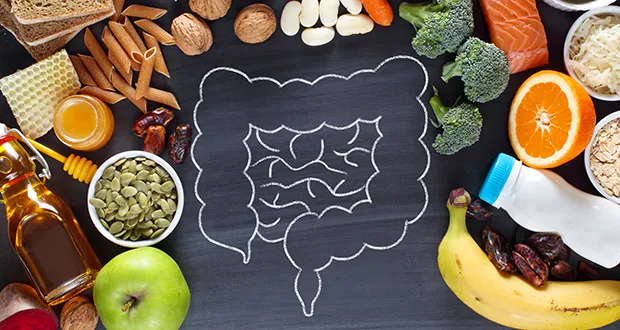
Recent studies have shed light on the intricate relationship between diet and gastrointestinal (GI) health, focusing on caffeine consumption, ultra-processed foods, and irritable bowel syndrome (IBS). Research led by Dr. Ray O’Connor highlights findings from various clinical articles that explore these connections, drawing from substantial datasets and rigorous methodologies.
Caffeine’s Impact on Bowel Health
Caffeine, a widely consumed stimulant found in coffee and other beverages, has been analysed for its effects on GI symptoms. A cross-sectional study utilizing data from the National Health and Nutrition Examination Survey (NHANES) spanning 2005–2010 examined the correlation between caffeine intake and bowel habits among 12,759 adults. The findings revealed a negative association between caffeine consumption and chronic diarrhoea, suggesting that moderate intake may facilitate bowel movements. Notably, the study identified a U-shaped nonlinear relationship concerning chronic constipation, indicating that while moderate caffeine can aid bowel function, excessive consumption may lead to constipation.
Furthermore, the research found no significant link between caffeine intake and inflammatory bowel disease (IBD). Subgroup analyses indicated that older adults may experience a more pronounced negative association with chronic constipation linked to caffeine, underscoring the importance of moderation.
Ultra-Processed Foods and Dietary Quality
A comprehensive series published in The Lancet delves into the implications of ultra-processed foods (UPFs) on health. This research synthesizes narrative and systematic reviews alongside original analyses to evaluate three critical hypotheses regarding dietary patterns centred on UPFs.
The first hypothesis posits that UPFs are gradually replacing traditional diets focused on whole foods. This assertion finds support in decades of national food intake surveys and recent global sales data. The second hypothesis suggests that reliance on UPFs deteriorates diet quality, a conclusion reinforced by extensive surveys and studies revealing nutrient imbalances and increased consumption of harmful additives.
The third hypothesis contends that consumption of UPFs heightens the risk of multiple diet-related chronic diseases. This claim is bolstered by over 100 studies, including prospective studies and randomised controlled trials, which indicate adverse health outcomes across various organ systems. Collectively, the evidence suggests that the shift towards ultra-processed foods is a significant factor contributing to the rising global burden of chronic diseases related to diet.
Addressing Irritable Bowel Syndrome
Irritable bowel syndrome (IBS) affects approximately five per cent of the population and poses considerable challenges in healthcare, with many patients seeking treatment in primary care. Current guidelines indicate that available treatments alleviate symptoms in only 30–40 per cent of cases, leaving numerous individuals grappling with persistent IBS symptoms that affect their quality of life.
A recent review has summarised effective management strategies for IBS based on new clinical trials. It emphasizes the importance of patient education and support to empower individuals in managing their condition. First-line treatment approaches include educating patients about their triggers, such as dietary choices and stress, while promoting regular exercise and relaxation techniques.
For those who do not respond to initial treatments, second-line options involve discussing a low FODMAP diet with patients. Additionally, medications such as tricyclic antidepressants (TCA) and selective serotonin reuptake inhibitors (SSRIs) have shown promise as gut–brain neuromodulators. Psychological interventions, including cognitive behavioral therapy (CBT) and hypnotherapy, have also demonstrated effectiveness, with new evidence supporting the use of IBS-specific CBT conducted via telephone or the internet.
Recent findings indicate that low-dose, patient self-titrated amitriptyline is both effective and well-tolerated among IBS patients, marking a shift towards broader acceptance of this treatment option in primary care settings.
These studies collectively highlight the complex interplay between diet and gastrointestinal health, emphasising the need for continued research and tailored interventions to improve patient outcomes in an increasingly processed food environment.

Mother Reveals Daughter’s Meningitis Seizure After Night Out

Major Oil Spill Disrupts Traffic in Donegal on March 16, 2026

Discovering Literature: The Joys of Rejoining a Public Library

Ted Season 2 Announced: Release Date & Trailer Updates Revealed

Research Ireland and UKRI Forge New Collaboration Agreement

David McGoldrick’s Impressive Scoring Streak Sparks World Cup Talk

Plane Crash Claims Lives of Publishing Heir, Pregnant Wife, and Pilot

Oscars Snub Brigitte Bardot Sparks Controversy Over In Memoriam

Meta Plans Major Layoffs to Offset Rising AI Investment Costs

Tributes Surge for 9-Year-Old Leon Briody After Cancer Battle

Aimee Osbourne Joins Family for Emotional Tribute to Ozzy

Danny Healy-Rae Considers Complaint After Altercation with Garda

Hawaii Commemorates 80 Years Since Hiroshima Bombing with Ceremony

Ireland Enjoys Summer Heat as Hurricane Erin Approaches Atlantic

Couple Convicted of Murdering Two-Year-Old Grandson in Wales

Gaza Aid Distribution Tragedy: 20 Killed Amid Ongoing Violence

Newcastle West Woman Patricia Foley Found Safe After Urgent Search

Fianna Fáil TDs Urgently Consider Maire Geoghegan-Quinn for Presidency
-
 Top Stories11 months ago
Tributes Surge for 9-Year-Old Leon Briody After Cancer Battle
-
 Entertainment12 months ago
Aimee Osbourne Joins Family for Emotional Tribute to Ozzy
-
 Politics1 year ago
Danny Healy-Rae Considers Complaint After Altercation with Garda
-
 World1 year ago
Hawaii Commemorates 80 Years Since Hiroshima Bombing with Ceremony
-
 Top Stories12 months ago
Ireland Enjoys Summer Heat as Hurricane Erin Approaches Atlantic
-
 World1 year ago
Couple Convicted of Murdering Two-Year-Old Grandson in Wales
-
 World1 year ago
Gaza Aid Distribution Tragedy: 20 Killed Amid Ongoing Violence
-
 Top Stories11 months ago
Newcastle West Woman Patricia Foley Found Safe After Urgent Search
-
 Top Stories1 year ago
Fianna Fáil TDs Urgently Consider Maire Geoghegan-Quinn for Presidency
-

 World1 year ago
Aristocrat Constance Marten and Partner Convicted of Infant Murder
-

 Top Stories12 months ago
Climbing Errigal: A Must-Do Summer Adventure in Donegal
-

 Top Stories12 months ago
Hike Donegal’s Errigal Mountain NOW for Unforgettable Summer Views