
Health
Senior Doctor Urges Continuation of RSV Immunisation for Infants

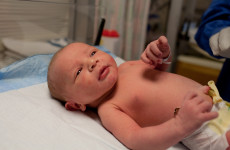
A senior paediatrician has issued a strong warning against the potential discontinuation of the Respiratory Syncytial Virus (RSV) immunisation programme for infants in Ireland. Professor Dr Afif El-Khuffash, who specializes in neonatal care, emphasized that cutting the programme would significantly burden children’s hospitals during the upcoming winter months and create inequalities in healthcare access among different birth cohorts.
Professor El-Khuffash highlighted ethical concerns regarding the decision. “If you stop the protection, you are creating an inequality between birth cohorts,” he stated. “Why do babies born last year and this year receive the injection, while those born after could miss out?” His comments come in light of a recent assessment by the Health Information and Quality Authority (HIQA), which found the programme to be not cost-effective based on a narrow evaluation framework.
The impact of RSV is particularly severe for infants under six months old, premature babies, and older adults over 80. The virus is highly contagious and often leads to mild cold-like symptoms, but can escalate into serious illness. Every winter, Ireland experiences outbreaks that exert considerable pressure on the health system, often resulting in overcrowded hospitals and emergency departments.
To mitigate this strain, the Health Service Executive (HSE) initiated a temporary immunisation programme, providing an antibody injection to infants born between September 2024 and February 2025. The programme was again offered for the 2025 to 2026 RSV season, with a decision on its future expected from the Department of Health soon.
According to HIQA’s findings in December, the immunisation programme has proven effective in reducing hospitalisations linked to RSV. The authority noted that while immunisation could decrease the need for medical and hospital care, it would incur high costs. Estimates suggest that a full rollout for infants could reach approximately €60 million over the first five years, while extending the programme to older adults could cost around €70 million.
El-Khuffash argues that discontinuing the programme would overwhelm children’s hospitals during winter, leading to long-term health repercussions for infants who become severely ill with RSV. “When RSV fills hospital and ICU beds, it delays the transfer of my babies who need surgery, postponing necessary care,” he explained. This delay results in extended stays in neonatal wards, which can hinder recovery.
Reflecting on personal experience, El-Khuffash shared that his son, now 15, became critically ill with RSV at just five weeks old, almost requiring admission to an intensive care unit. “My son now has asthma, which can be traced back to that illness. It’s crucial to recognize that for most children, symptoms are mild, but for around 400 babies in Ireland each year, RSV leads to hospitalisation,” he said.
A public consultation regarding the RSV immunisation programme launched in December and concluded last week, but El-Khuffash noted that the initiative has “gone under the radar,” with many clinicians unaware of its importance. He urges fellow medical professionals to advocate for the programme’s continuation, emphasizing the necessity of equitable healthcare for all infants.
The Journal has reached out to the Department of Health and the HSE for comments regarding the future of the RSV immunisation programme.

Mother Reveals Daughter’s Meningitis Seizure After Night Out

Major Oil Spill Disrupts Traffic in Donegal on March 16, 2026

Discovering Literature: The Joys of Rejoining a Public Library

Ted Season 2 Announced: Release Date & Trailer Updates Revealed

Research Ireland and UKRI Forge New Collaboration Agreement

David McGoldrick’s Impressive Scoring Streak Sparks World Cup Talk

Plane Crash Claims Lives of Publishing Heir, Pregnant Wife, and Pilot

Oscars Snub Brigitte Bardot Sparks Controversy Over In Memoriam

Meta Plans Major Layoffs to Offset Rising AI Investment Costs

Tributes Surge for 9-Year-Old Leon Briody After Cancer Battle

Aimee Osbourne Joins Family for Emotional Tribute to Ozzy

Danny Healy-Rae Considers Complaint After Altercation with Garda

Hawaii Commemorates 80 Years Since Hiroshima Bombing with Ceremony

Ireland Enjoys Summer Heat as Hurricane Erin Approaches Atlantic

Couple Convicted of Murdering Two-Year-Old Grandson in Wales

Newcastle West Woman Patricia Foley Found Safe After Urgent Search

Fianna Fáil TDs Urgently Consider Maire Geoghegan-Quinn for Presidency

Gaza Aid Distribution Tragedy: 20 Killed Amid Ongoing Violence
-
 Top Stories7 months ago
Tributes Surge for 9-Year-Old Leon Briody After Cancer Battle
-
 Entertainment9 months ago
Aimee Osbourne Joins Family for Emotional Tribute to Ozzy
-
 Politics9 months ago
Danny Healy-Rae Considers Complaint After Altercation with Garda
-
 World9 months ago
Hawaii Commemorates 80 Years Since Hiroshima Bombing with Ceremony
-
 Top Stories8 months ago
Ireland Enjoys Summer Heat as Hurricane Erin Approaches Atlantic
-
 World9 months ago
Couple Convicted of Murdering Two-Year-Old Grandson in Wales
-
 Top Stories7 months ago
Newcastle West Woman Patricia Foley Found Safe After Urgent Search
-
 Top Stories9 months ago
Fianna Fáil TDs Urgently Consider Maire Geoghegan-Quinn for Presidency
-
 World9 months ago
Gaza Aid Distribution Tragedy: 20 Killed Amid Ongoing Violence
-

 World9 months ago
Aristocrat Constance Marten and Partner Convicted of Infant Murder
-

 Top Stories8 months ago
Hike Donegal’s Errigal Mountain NOW for Unforgettable Summer Views
-

 Top Stories8 months ago
Climbing Errigal: A Must-Do Summer Adventure in Donegal