
Health
Study Reveals Mental Health Crisis Among Children Affected by Defective Concrete

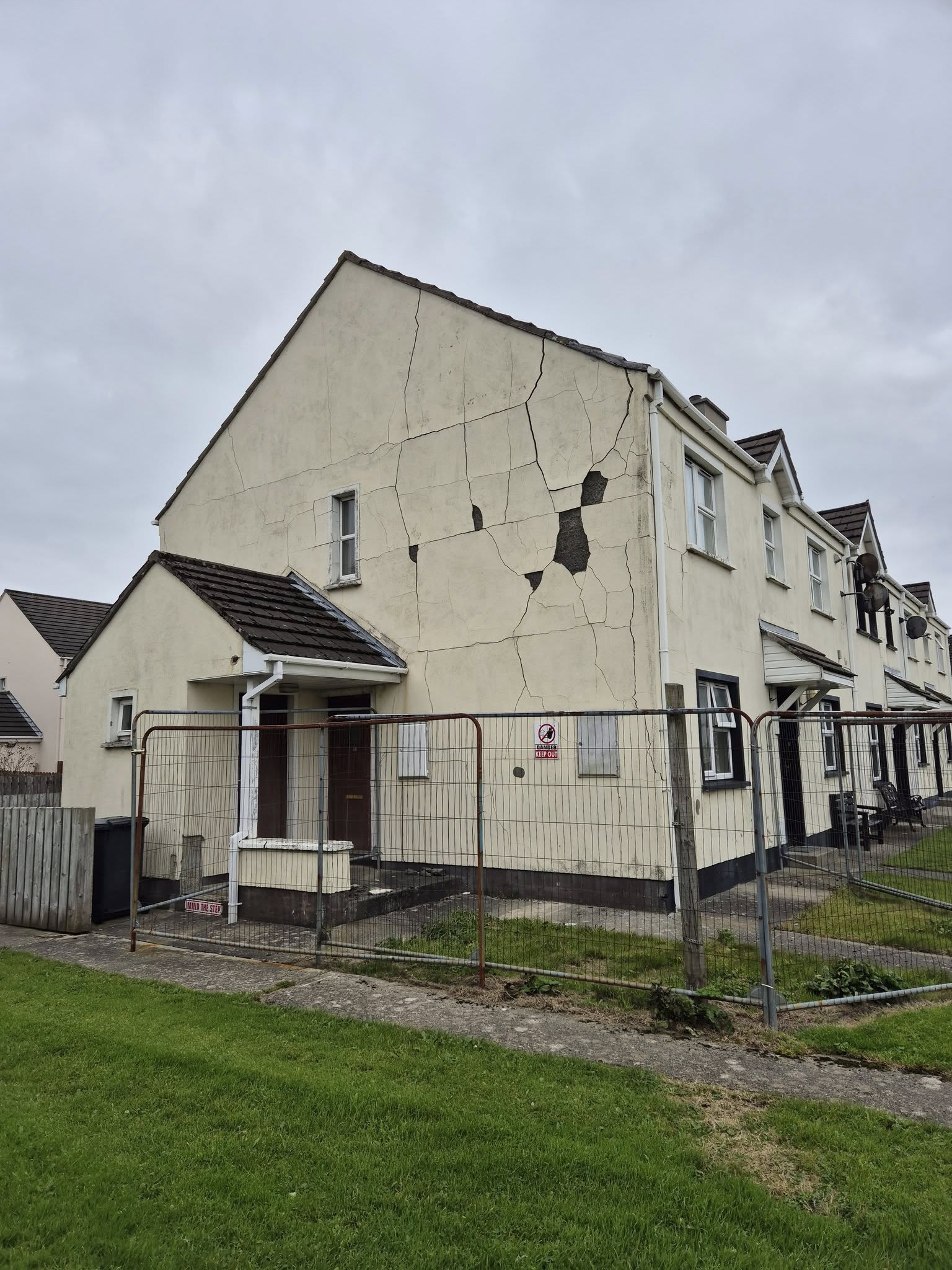
Research conducted by Ulster University underscores the significant mental health challenges faced by children living in homes affected by the ongoing defective concrete block crisis in Donegal, Ireland. As preliminary findings emerge from the study, which is currently undergoing peer review, the psychological impact on these young residents appears to mirror earlier research that examined similar conditions in adults. This suggests a pervasive, cross-generational mental health burden resulting from the crisis.
In response to the alarming findings, Deputy Charles Ward recently met with Minister for Children Norma Foley to discuss the urgent need for dedicated counselling and trauma support services tailored for affected children and their families. The proposed support hubs aim to address the psychological ramifications of living in homes that are structurally compromised due to defective concrete blocks.
The deteriorating conditions of these homes not only affect physical safety but also contribute to rising levels of anxiety and distress among young residents. Preliminary insights from the study indicate that children are experiencing increased emotional turmoil, which could have long-term implications for their well-being and development.
Ward emphasized the importance of early intervention, stating, “We must ensure that our children receive the support they need to cope with the challenges they are facing. The mental health of our children is just as critical as their physical safety.” His comments highlight a growing recognition of the need for comprehensive support systems in light of the ongoing housing crisis.
As the investigation progresses, stakeholders anticipate further collaboration between governmental bodies and mental health organizations to establish effective support networks. The urgency of these discussions reflects a broader concern regarding the implications of the defective concrete crisis on community health and stability.
The ongoing situation in Donegal serves as a reminder of the interconnectedness of physical infrastructure and mental health, particularly in vulnerable populations. As families navigate the complexities of living in compromised housing, the call for proactive measures to safeguard their mental health becomes increasingly pressing.
In light of these findings, community advocates are expected to rally support for the establishment of counselling services that can effectively reach those most affected. The emphasis on mental health resources is critical as the community seeks to rebuild not only its homes but also the well-being of its youngest members.
With the study’s implications still unfolding, it is clear that a coordinated effort is essential to mitigate the psychological effects of this crisis. The commitment from both Deputy Ward and Minister Foley signals a proactive approach to ensuring that affected families receive the necessary support during these challenging times.

Mother Reveals Daughter’s Meningitis Seizure After Night Out

Major Oil Spill Disrupts Traffic in Donegal on March 16, 2026

Discovering Literature: The Joys of Rejoining a Public Library

Ted Season 2 Announced: Release Date & Trailer Updates Revealed

Research Ireland and UKRI Forge New Collaboration Agreement

David McGoldrick’s Impressive Scoring Streak Sparks World Cup Talk

Plane Crash Claims Lives of Publishing Heir, Pregnant Wife, and Pilot

Oscars Snub Brigitte Bardot Sparks Controversy Over In Memoriam

Meta Plans Major Layoffs to Offset Rising AI Investment Costs

Tributes Surge for 9-Year-Old Leon Briody After Cancer Battle

Aimee Osbourne Joins Family for Emotional Tribute to Ozzy

Danny Healy-Rae Considers Complaint After Altercation with Garda

Hawaii Commemorates 80 Years Since Hiroshima Bombing with Ceremony

Ireland Enjoys Summer Heat as Hurricane Erin Approaches Atlantic

Couple Convicted of Murdering Two-Year-Old Grandson in Wales

Newcastle West Woman Patricia Foley Found Safe After Urgent Search

Fianna Fáil TDs Urgently Consider Maire Geoghegan-Quinn for Presidency

Gaza Aid Distribution Tragedy: 20 Killed Amid Ongoing Violence
-
 Top Stories7 months ago
Tributes Surge for 9-Year-Old Leon Briody After Cancer Battle
-
 Entertainment8 months ago
Aimee Osbourne Joins Family for Emotional Tribute to Ozzy
-
 Politics8 months ago
Danny Healy-Rae Considers Complaint After Altercation with Garda
-
 World9 months ago
Hawaii Commemorates 80 Years Since Hiroshima Bombing with Ceremony
-
 Top Stories8 months ago
Ireland Enjoys Summer Heat as Hurricane Erin Approaches Atlantic
-
 World9 months ago
Couple Convicted of Murdering Two-Year-Old Grandson in Wales
-
 Top Stories7 months ago
Newcastle West Woman Patricia Foley Found Safe After Urgent Search
-
 Top Stories9 months ago
Fianna Fáil TDs Urgently Consider Maire Geoghegan-Quinn for Presidency
-
 World9 months ago
Gaza Aid Distribution Tragedy: 20 Killed Amid Ongoing Violence
-

 World9 months ago
Aristocrat Constance Marten and Partner Convicted of Infant Murder
-

 Top Stories8 months ago
Hike Donegal’s Errigal Mountain NOW for Unforgettable Summer Views
-

 Top Stories8 months ago
Climbing Errigal: A Must-Do Summer Adventure in Donegal