
Lifestyle
Australia Leads with Pioneering Social Media Ban for Children

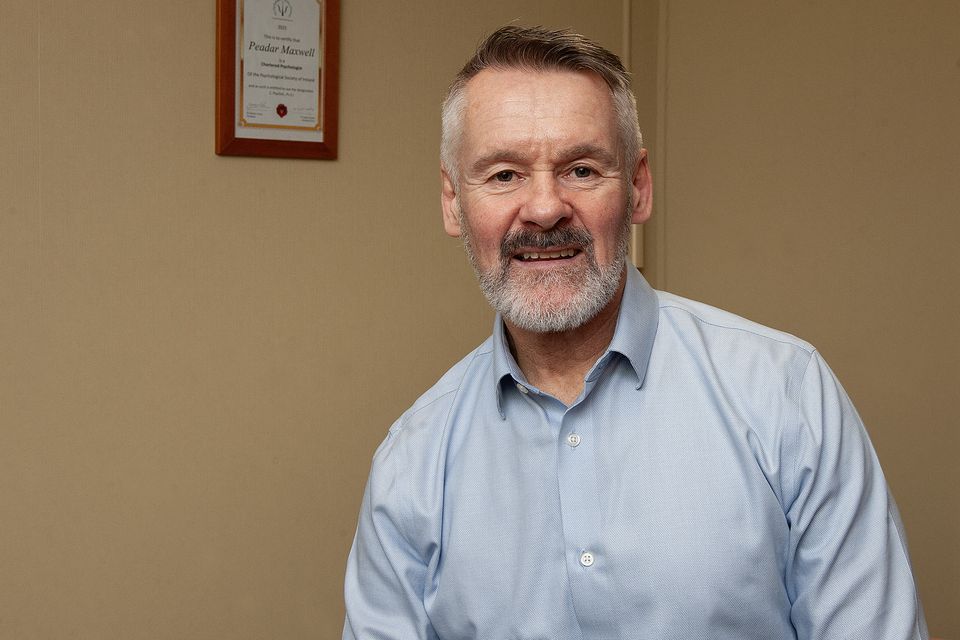
A landmark decision in Australia has led to the implementation of a social media ban for children under the age of 16, making it the first country in the western world to enact such a measure. This initiative aims to prioritize the health and safety of young users amid growing concerns over the influence of social media on their well-being.
Dr. John McCarthy, a prominent psychologist based in Wexford and affiliated with the Health Service Executive (HSE), expressed skepticism regarding the ban’s effectiveness. He emphasized that the welfare of children should not be entrusted to profit-driven multinational corporations. “While I am uncertain about the ban’s impact, we must consider the implications of allowing faceless entities to dictate the terms of children’s online experiences,” he stated.
Australia’s move follows a series of high-profile incidents and research findings linking social media use to mental health issues among youth. With increased scrutiny on platforms such as Instagram, Facebook, and TikTok, Australian officials argue that the ban is a necessary step to protect vulnerable populations from potential harm.
The ban, which took effect on October 15, 2023, restricts access to major social media networks for children under the defined age limit. Parents and guardians are required to monitor their children’s online activities more closely, with the government providing resources and support to assist families in navigating this transition.
Many child health advocates have praised the decision as a progressive move towards safeguarding young users. They argue that limiting access to these platforms could help alleviate issues such as anxiety, depression, and cyberbullying among minors. According to the Australian Institute of Health and Welfare, mental health concerns among children have risen sharply in recent years, with a significant number reporting negative experiences linked to social media interactions.
Opponents of the ban, however, raise concerns about potential overreach and the implications for personal freedoms. Critics argue that education and responsible usage should take precedence over outright restrictions. They worry that the ban may inadvertently push children towards less regulated platforms or other means of accessing social media, potentially compromising their safety.
As Australia embarks on this unprecedented journey, the global community watches closely. This initiative may set a precedent for other countries grappling with similar concerns about the influence of social media on youth.
In light of this historic decision, Dr. McCarthy urges a balanced approach: “While protecting children is paramount, we must also consider the role of education in promoting safe online practices.” He advocates for comprehensive digital literacy programs that equip children and parents with the tools needed to navigate the digital landscape responsibly.
The long-term effects of this ban remain to be seen, but Australia’s pioneering stance is likely to spark discussions and debates in legislative halls worldwide. As this situation evolves, both supporters and detractors continue to voice their opinions, reflecting the complex dynamics at play in the intersection of technology and child welfare.

Mother Reveals Daughter’s Meningitis Seizure After Night Out

Major Oil Spill Disrupts Traffic in Donegal on March 16, 2026

Discovering Literature: The Joys of Rejoining a Public Library

Ted Season 2 Announced: Release Date & Trailer Updates Revealed

Research Ireland and UKRI Forge New Collaboration Agreement

David McGoldrick’s Impressive Scoring Streak Sparks World Cup Talk

Plane Crash Claims Lives of Publishing Heir, Pregnant Wife, and Pilot

Oscars Snub Brigitte Bardot Sparks Controversy Over In Memoriam

Meta Plans Major Layoffs to Offset Rising AI Investment Costs

Tributes Surge for 9-Year-Old Leon Briody After Cancer Battle

Aimee Osbourne Joins Family for Emotional Tribute to Ozzy

Danny Healy-Rae Considers Complaint After Altercation with Garda

Hawaii Commemorates 80 Years Since Hiroshima Bombing with Ceremony

Ireland Enjoys Summer Heat as Hurricane Erin Approaches Atlantic

Couple Convicted of Murdering Two-Year-Old Grandson in Wales

Newcastle West Woman Patricia Foley Found Safe After Urgent Search

Fianna Fáil TDs Urgently Consider Maire Geoghegan-Quinn for Presidency

Gaza Aid Distribution Tragedy: 20 Killed Amid Ongoing Violence
-
 Top Stories7 months ago
Tributes Surge for 9-Year-Old Leon Briody After Cancer Battle
-
 Entertainment8 months ago
Aimee Osbourne Joins Family for Emotional Tribute to Ozzy
-
 Politics8 months ago
Danny Healy-Rae Considers Complaint After Altercation with Garda
-
 World9 months ago
Hawaii Commemorates 80 Years Since Hiroshima Bombing with Ceremony
-
 Top Stories8 months ago
Ireland Enjoys Summer Heat as Hurricane Erin Approaches Atlantic
-
 World9 months ago
Couple Convicted of Murdering Two-Year-Old Grandson in Wales
-
 Top Stories7 months ago
Newcastle West Woman Patricia Foley Found Safe After Urgent Search
-
 Top Stories9 months ago
Fianna Fáil TDs Urgently Consider Maire Geoghegan-Quinn for Presidency
-
 World9 months ago
Gaza Aid Distribution Tragedy: 20 Killed Amid Ongoing Violence
-

 World9 months ago
Aristocrat Constance Marten and Partner Convicted of Infant Murder
-

 Top Stories8 months ago
Hike Donegal’s Errigal Mountain NOW for Unforgettable Summer Views
-

 Top Stories8 months ago
Climbing Errigal: A Must-Do Summer Adventure in Donegal