
Politics
Advocates Push for Cultural Understanding of Irish Death Practices in Britain

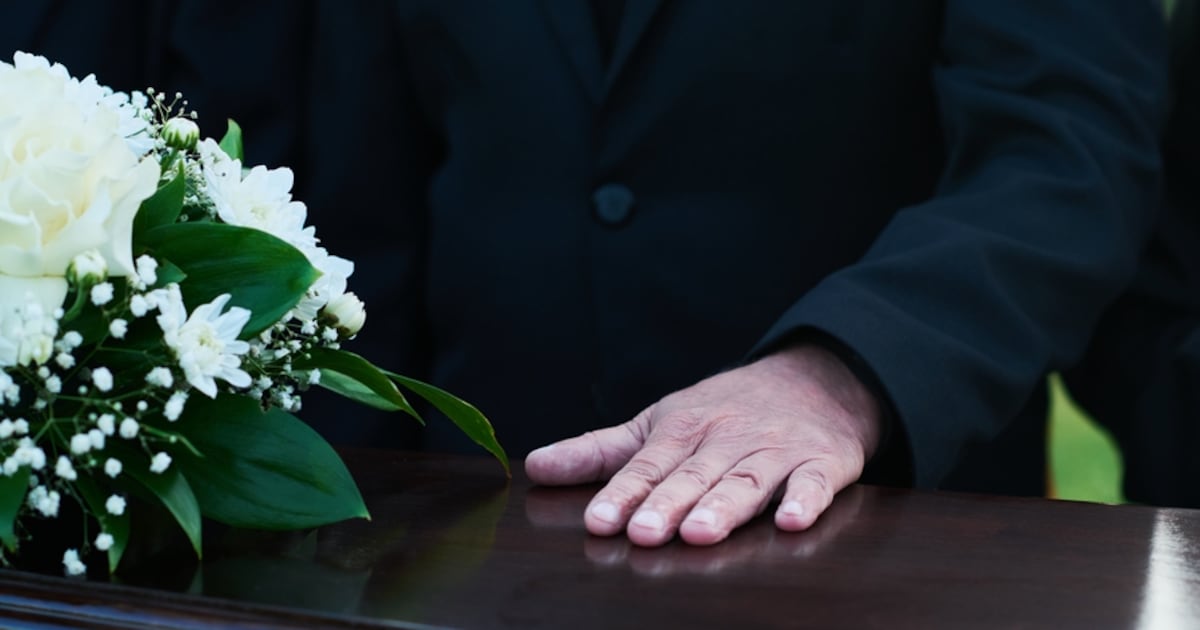
Cultural differences between the Irish and British extend notably to practices surrounding death and funerals. This distinction is becoming increasingly significant for older Irish individuals residing in the United Kingdom. Census data reveals that the Irish represent one of the oldest ethnic groups in Britain, prompting community groups to advocate for greater recognition and understanding of their cultural needs.
Irish in Britain, a prominent umbrella organization, recently published a report titled Sing Our Own Song, highlighting various challenges faced by the Irish diaspora regarding end-of-life care. The concept of a “good Irish death” typically involves dying at home, surrounded by family and friends who gather to offer their farewells. Traditional Irish funerals often include wakes characterized by large gatherings, where music, food, and communal prayers are common.
In contrast, British funerals tend to be smaller and occur later, on average two to three weeks after a person’s passing. This delay, coupled with regional backlogs, can create additional stress for families. British customs, such as the tendency to keep coffins closed and a more restrained atmosphere during funerals, can feel starkly different to those accustomed to Irish traditions.
The disparities in practices can complicate the experience for the aging Irish community. According to a report by the Marie Curie end-of-life charity, approximately 32 percent of individuals who die in Britain do so with unmet care needs, highlighting significant gaps in the healthcare system. Hospice UK has indicated that 75 percent of its member hospices are currently facing financial deficits, exacerbating challenges in providing necessary support for end-of-life care.
To address these ongoing concerns, a cross-party group of 240 MPs and peers has been formed to advocate for improvements within the UK’s end-of-life care system. This group features prominent figures, including former Chancellor Jeremy Hunt and former Shadow Chancellor John McDonnell.
The report from Irish in Britain was launched in collaboration with the Innisfree Housing Association, which provides homes to many older Irish residents. Their joint initiative, named Meitheal Muintire, aims to raise awareness of the unique needs of the Irish community concerning end-of-life care. At the report’s launch event, Brian Dalton, Chief Executive of Irish in Britain, reflected on the distinctive cultural customs surrounding death.
“We have all been at weddings which have seemed mournful and Irish funerals that have been very joyous,” Dalton remarked, resonating with the audience. The event also featured insights from John Delahunty, Chief Executive of Innisfree, who shared a personal story about the difficulties faced when trying to support a Tipperary woman in her final days in London.
The final report advocates for several key recommendations, including enhancing the visibility of the Irish community’s needs among UK policymakers, increasing awareness of entitlements, developing tailored services, and investing in advocacy for families and caregivers.
Particular attention is given to those in the Irish community who may have faced trauma from previous experiences in Irish institutions, such as reform schools and Magdalene laundries. For these individuals, dying at home can be especially vital.
Katie Doyle, who oversees the survivors’ integrated service at the London Irish Centre, noted, “For some, uniforms in a hospital or other institutional setting, locked doors, or even the jangling of keys can be triggers. Survivors may have a fear of being re-institutionalised and of losing control.”
As the Irish community in Britain continues to address these cultural differences and advocate for better end-of-life care, the importance of a “good Irish death” remains paramount for those navigating the complexities of dying abroad. The efforts of organizations like Irish in Britain and Innisfree Housing Association serve to ensure that the cultural nuances surrounding death are recognized and respected, allowing for a more compassionate approach to end-of-life care.

Mother Reveals Daughter’s Meningitis Seizure After Night Out

Major Oil Spill Disrupts Traffic in Donegal on March 16, 2026

Discovering Literature: The Joys of Rejoining a Public Library

Ted Season 2 Announced: Release Date & Trailer Updates Revealed

Research Ireland and UKRI Forge New Collaboration Agreement

David McGoldrick’s Impressive Scoring Streak Sparks World Cup Talk

Plane Crash Claims Lives of Publishing Heir, Pregnant Wife, and Pilot

Oscars Snub Brigitte Bardot Sparks Controversy Over In Memoriam

Meta Plans Major Layoffs to Offset Rising AI Investment Costs

Tributes Surge for 9-Year-Old Leon Briody After Cancer Battle

Aimee Osbourne Joins Family for Emotional Tribute to Ozzy

Danny Healy-Rae Considers Complaint After Altercation with Garda

Hawaii Commemorates 80 Years Since Hiroshima Bombing with Ceremony

Ireland Enjoys Summer Heat as Hurricane Erin Approaches Atlantic

Couple Convicted of Murdering Two-Year-Old Grandson in Wales

Gaza Aid Distribution Tragedy: 20 Killed Amid Ongoing Violence

Newcastle West Woman Patricia Foley Found Safe After Urgent Search

Fianna Fáil TDs Urgently Consider Maire Geoghegan-Quinn for Presidency
-
 Top Stories11 months ago
Tributes Surge for 9-Year-Old Leon Briody After Cancer Battle
-
 Entertainment1 year ago
Aimee Osbourne Joins Family for Emotional Tribute to Ozzy
-
 Politics1 year ago
Danny Healy-Rae Considers Complaint After Altercation with Garda
-
 World1 year ago
Hawaii Commemorates 80 Years Since Hiroshima Bombing with Ceremony
-
 Top Stories12 months ago
Ireland Enjoys Summer Heat as Hurricane Erin Approaches Atlantic
-
 World1 year ago
Couple Convicted of Murdering Two-Year-Old Grandson in Wales
-
 World1 year ago
Gaza Aid Distribution Tragedy: 20 Killed Amid Ongoing Violence
-
 Top Stories11 months ago
Newcastle West Woman Patricia Foley Found Safe After Urgent Search
-
 Top Stories1 year ago
Fianna Fáil TDs Urgently Consider Maire Geoghegan-Quinn for Presidency
-

 World1 year ago
Aristocrat Constance Marten and Partner Convicted of Infant Murder
-

 Top Stories12 months ago
Climbing Errigal: A Must-Do Summer Adventure in Donegal
-

 Top Stories12 months ago
Hike Donegal’s Errigal Mountain NOW for Unforgettable Summer Views