
Politics
Denmark Faces Uncertainty as Trump Revives Greenland Purchase Idea

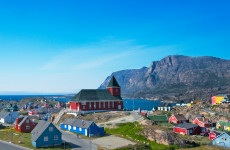
The political climate in Denmark has shifted dramatically following remarks from former US President Donald Trump regarding the potential purchase of Greenland. His renewed assertions have reignited fears among Danes, prompting government officials to take the situation seriously as they seek to maintain their sovereignty and strategic interests in the Arctic.
In 2025, when Trump first proposed the idea of acquiring Greenland, many in Denmark dismissed it as mere bluster. Prime Minister Mette Frederiksen labeled the suggestion “absurd,” while Greenlanders firmly rejected the notion, emphasizing that their island was not for sale. A humorous petition emerged, where over 200,000 individuals suggested that Denmark should acquire California instead. However, recent comments from Trump have transformed the public’s perception, as concerns grow about the implications for international relations and Denmark’s standing within NATO.
This week, the Danish government has entered crisis mode. Frederiksen has been working to garner support from European leaders to counteract Trump’s remarks. A special meeting on Tuesday brought together Foreign Minister Lars Løkke Rasmussen and Greenlandic counterpart Vivian Motzfeldt, both eager to initiate dialogue with the United States and meet with Secretary of State Marco Rubio.
Many Danish commentators argue that there is no need for heightened aggression from the US. They point to a 1951 defense agreement that already grants the United States significant rights to establish and expand its military presence in Greenland. They suggest that if security threats genuinely concern the US, it could exercise these rights without further complication.
As discussions about Greenland’s future unfold, there is a consensus in Denmark: the decision ultimately lies with the island’s 56,000 inhabitants. A poll conducted in March 2025 revealed that 56% of Greenlanders would support independence if a referendum were held at that time, while 85% opposed becoming part of the United States.
The lingering question is how Greenland’s economy would fare post-independence, given its current reliance on block grants and financial support from Denmark. This historical connection fosters a sense of responsibility among Danes, who feel obligated to safeguard the island’s future. Consequently, Danish media has been extensively covering the developments surrounding Trump’s statements, with the issue dominating headlines and television discussions.
Reporting on the situation reflects a serious apprehension rather than political theatre. The narrative is framed as a genuine geopolitical threat to Danish sovereignty and Greenland’s right to self-determination. This has led to a broader conversation about the future of NATO and the implications for international alliances.
Danish society is deeply rooted in the concept of “tryghed,” or security. In response to current tensions, Denmark has increased its defense spending and advised citizens to maintain emergency supplies at home. Nonetheless, anxiety persists regarding the potential undermining of NATO and the implications for smaller nations like Denmark. Last year, incidents involving suspected Russian drone activity and the disruption of the digital payments system raised alarms about national security.
Among residents in Denmark, reactions to the recent developments show a mix of disbelief and anger. Conversations often pivot from daily topics to emergency preparedness, highlighting a pervasive unease. Some express difficulty sleeping, while others consciously avoid the news due to its unsettling nature.
A prevailing sentiment emerging from these discussions is one of sadness. For decades, the United States and Denmark have enjoyed a partnership based on trust and reliability. Many Danes perceive Trump’s remarks as a personal betrayal, posing challenges to the relationship valued by both countries.
From an outsider’s perspective, particularly as an Irish expatriate, there is hope that this geopolitical situation may lead to renewed discussions about Denmark’s colonial past. Greenland has pursued a more independent path since the election of its current government in March, and many in Ireland sympathize with such ambitions for self-determination, given their own historical context as a former British colony.
As the world watches, the future of Greenland remains uncertain. The island is no longer merely a backdrop for festive myths but a focal point for significant geopolitical issues. The dynamics between the United States, Denmark, and Greenland will continue to evolve, underscoring the importance of dialogue and mutual respect in international relations.

Mother Reveals Daughter’s Meningitis Seizure After Night Out

Major Oil Spill Disrupts Traffic in Donegal on March 16, 2026

Discovering Literature: The Joys of Rejoining a Public Library

Ted Season 2 Announced: Release Date & Trailer Updates Revealed

Research Ireland and UKRI Forge New Collaboration Agreement

David McGoldrick’s Impressive Scoring Streak Sparks World Cup Talk

Plane Crash Claims Lives of Publishing Heir, Pregnant Wife, and Pilot

Oscars Snub Brigitte Bardot Sparks Controversy Over In Memoriam

Meta Plans Major Layoffs to Offset Rising AI Investment Costs

Tributes Surge for 9-Year-Old Leon Briody After Cancer Battle

Aimee Osbourne Joins Family for Emotional Tribute to Ozzy

Danny Healy-Rae Considers Complaint After Altercation with Garda

Hawaii Commemorates 80 Years Since Hiroshima Bombing with Ceremony

Ireland Enjoys Summer Heat as Hurricane Erin Approaches Atlantic

Couple Convicted of Murdering Two-Year-Old Grandson in Wales

Newcastle West Woman Patricia Foley Found Safe After Urgent Search

Fianna Fáil TDs Urgently Consider Maire Geoghegan-Quinn for Presidency

Gaza Aid Distribution Tragedy: 20 Killed Amid Ongoing Violence
-
 Top Stories7 months ago
Tributes Surge for 9-Year-Old Leon Briody After Cancer Battle
-
 Entertainment9 months ago
Aimee Osbourne Joins Family for Emotional Tribute to Ozzy
-
 Politics9 months ago
Danny Healy-Rae Considers Complaint After Altercation with Garda
-
 World9 months ago
Hawaii Commemorates 80 Years Since Hiroshima Bombing with Ceremony
-
 Top Stories8 months ago
Ireland Enjoys Summer Heat as Hurricane Erin Approaches Atlantic
-
 World9 months ago
Couple Convicted of Murdering Two-Year-Old Grandson in Wales
-
 Top Stories7 months ago
Newcastle West Woman Patricia Foley Found Safe After Urgent Search
-
 Top Stories9 months ago
Fianna Fáil TDs Urgently Consider Maire Geoghegan-Quinn for Presidency
-
 World9 months ago
Gaza Aid Distribution Tragedy: 20 Killed Amid Ongoing Violence
-

 World9 months ago
Aristocrat Constance Marten and Partner Convicted of Infant Murder
-

 Top Stories8 months ago
Hike Donegal’s Errigal Mountain NOW for Unforgettable Summer Views
-

 Top Stories8 months ago
Climbing Errigal: A Must-Do Summer Adventure in Donegal