
Politics
EU Faces Challenges Financing Ukraine with Frozen Russian Assets

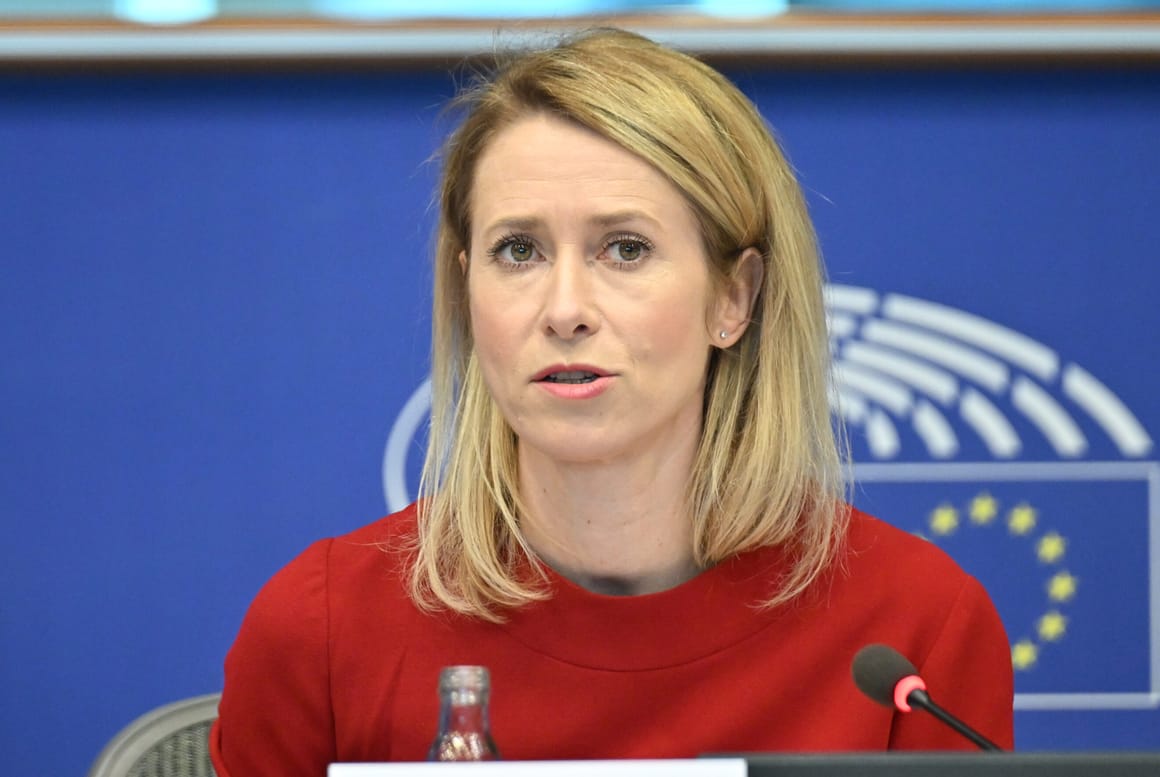
The European Union is encountering significant hurdles in financing Ukraine through loans based on Russia’s frozen assets, according to EU’s chief diplomat, Kaja Kallas. As European leaders prepare for a critical summit on March 21, 2024, Kallas expressed concerns about the feasibility of this financial approach, which is deemed essential for supporting Ukraine’s economy in the coming year.
Kallas’ remarks come as discussions intensify among EU leaders, including German Chancellor Friedrich Merz, about the future of financial support for Ukraine. Merz has asserted that leveraging Russia’s immobilized funds is the most reliable method for Europe to maintain Ukraine’s financial stability. However, rising opposition from several EU member states threatens to derail these efforts.
Concerns have escalated regarding potential backlash from both Russia and the United States. Belgian Prime Minister Bart De Wever has warned about the risks associated with seizing these assets, noting that Russia has already initiated legal action against the Belgian bank holding much of the frozen funds. Additionally, U.S. pressure appears to be influencing EU member states to reconsider their stance on the proposed €210 billion reparations loan for Ukraine.
According to senior European officials, the United States is not only advocating for Ukraine to concede territories that Russia attempted to capture but is also urging European nations to oppose the loan scheme. A leaked draft peace plan reportedly indicates that part of the frozen assets would be redirected to U.S.-led reconstruction initiatives, complicating Europe’s efforts to utilize these funds for Ukraine.
Kallas emphasized the mounting pressure from multiple directions concerning the reparations loan, which she labeled as the “most credible option” for supporting Kyiv’s economy. She stated, “This [reparations loan] is what we’re working on. We are not there yet and it is increasingly difficult, but we’re doing the work and we still have some days,” highlighting the urgency of the situation.
Belgium has consistently opposed the use of Russian assets for Ukraine’s benefit, fearing it could jeopardize peace negotiations and expose the EU to legal repercussions from Moscow. Recently, Italy, Bulgaria, and Malta have joined Belgium in voicing their objections, while Hungary and Slovakia have previously expressed their dissent. The newly appointed Prime Minister of Czechia, Andrej Babiš, has also stated that Prague will not provide financial guarantees to support Belgium’s position.
Despite the opposition, a recent decision allows the EU to use emergency powers to indefinitely immobilize the assets, which means a vote by qualified majority could still proceed even without unanimous backing. This is crucial since a blocking minority requires support from 35 percent of the EU’s population. Nevertheless, Kallas acknowledged the difficulty of moving forward without Belgium’s cooperation, given that a significant portion of the frozen assets is located there.
The pressure on Belgium appears to be escalating. A joint investigation by EU Observer, Humo, De Morgen, and Dossier Center revealed that the CEO of Euroclear, Valérie Urbain, has faced threats and intimidation from a French banker sympathetic to Russia, prompting her to hire private security. In response to these developments, Kallas remarked, “Some countries are more used to the threats presented by Russia than others — but I want to tell you these are only threats. If we keep united, we are much stronger.”
As the summit approaches, the EU’s ability to navigate these complex geopolitical waters will be crucial in determining how effectively it can finance Ukraine and maintain stability in the region.

Mother Reveals Daughter’s Meningitis Seizure After Night Out

Major Oil Spill Disrupts Traffic in Donegal on March 16, 2026

Discovering Literature: The Joys of Rejoining a Public Library

Ted Season 2 Announced: Release Date & Trailer Updates Revealed

Research Ireland and UKRI Forge New Collaboration Agreement

David McGoldrick’s Impressive Scoring Streak Sparks World Cup Talk

Plane Crash Claims Lives of Publishing Heir, Pregnant Wife, and Pilot

Oscars Snub Brigitte Bardot Sparks Controversy Over In Memoriam

Meta Plans Major Layoffs to Offset Rising AI Investment Costs

Tributes Surge for 9-Year-Old Leon Briody After Cancer Battle

Aimee Osbourne Joins Family for Emotional Tribute to Ozzy

Danny Healy-Rae Considers Complaint After Altercation with Garda

Hawaii Commemorates 80 Years Since Hiroshima Bombing with Ceremony

Ireland Enjoys Summer Heat as Hurricane Erin Approaches Atlantic

Couple Convicted of Murdering Two-Year-Old Grandson in Wales

Gaza Aid Distribution Tragedy: 20 Killed Amid Ongoing Violence

Newcastle West Woman Patricia Foley Found Safe After Urgent Search

Fianna Fáil TDs Urgently Consider Maire Geoghegan-Quinn for Presidency
-
 Top Stories10 months ago
Tributes Surge for 9-Year-Old Leon Briody After Cancer Battle
-
 Entertainment12 months ago
Aimee Osbourne Joins Family for Emotional Tribute to Ozzy
-
 Politics12 months ago
Danny Healy-Rae Considers Complaint After Altercation with Garda
-
 World12 months ago
Hawaii Commemorates 80 Years Since Hiroshima Bombing with Ceremony
-
 Top Stories11 months ago
Ireland Enjoys Summer Heat as Hurricane Erin Approaches Atlantic
-
 World12 months ago
Couple Convicted of Murdering Two-Year-Old Grandson in Wales
-
 World12 months ago
Gaza Aid Distribution Tragedy: 20 Killed Amid Ongoing Violence
-
 Top Stories10 months ago
Newcastle West Woman Patricia Foley Found Safe After Urgent Search
-
 Top Stories12 months ago
Fianna Fáil TDs Urgently Consider Maire Geoghegan-Quinn for Presidency
-

 World12 months ago
Aristocrat Constance Marten and Partner Convicted of Infant Murder
-

 Top Stories11 months ago
Climbing Errigal: A Must-Do Summer Adventure in Donegal
-

 Top Stories11 months ago
Hike Donegal’s Errigal Mountain NOW for Unforgettable Summer Views