
Politics
Ukraine Strikes Back as Diplomacy Faces Uncertain Future

Ukrainian forces have intensified their response against Russia, launching long-range drone strikes aimed at achieving three key objectives: boosting national morale amidst ongoing blackouts caused by relentless air assaults, showcasing their resilience to Western allies, and urging Moscow to consider meaningful peace negotiations. Despite these efforts, prospects for a genuine dialogue appear dim, with skepticism prevailing in Kyiv and European capitals regarding Russia’s commitment to peace.
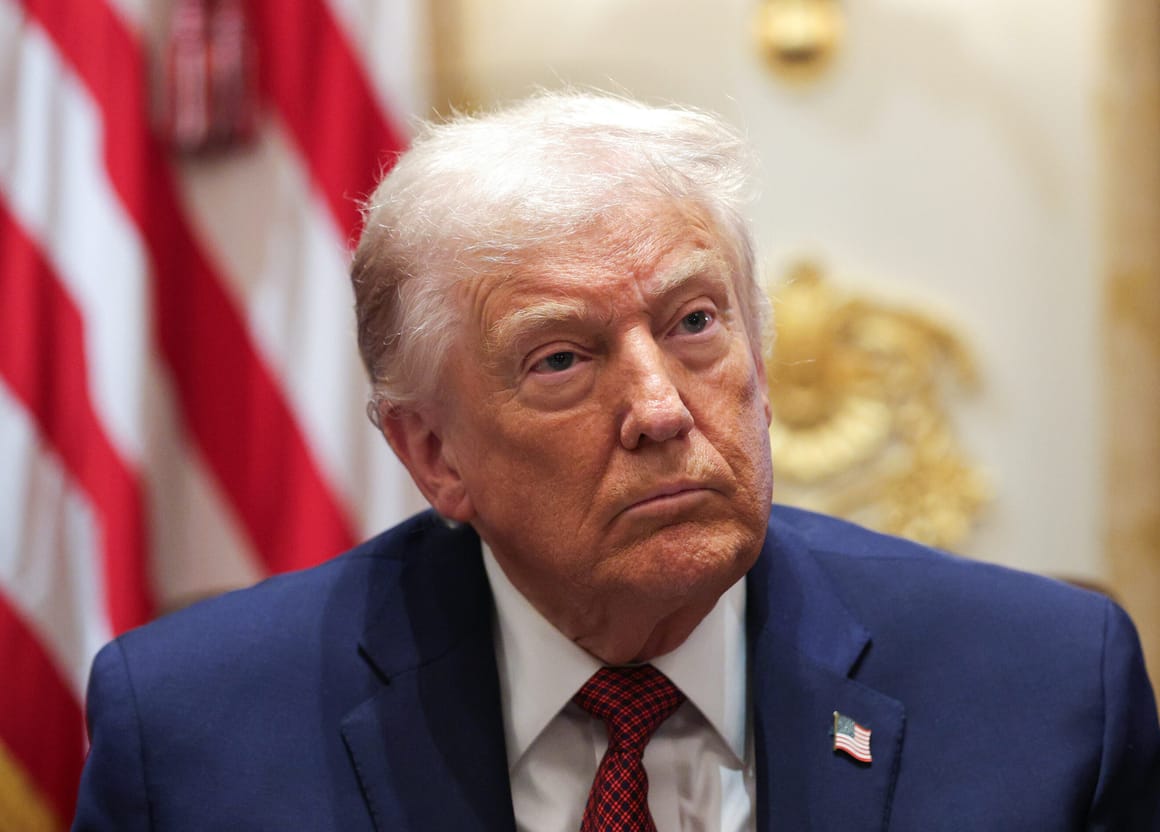
U.S. President Donald Trump has positioned himself as a pivotal figure in the pursuit of a peace agreement, with his negotiators expressing optimism about nearing a deal, possibly the closest since Russia’s invasion began nearly four years ago. Nevertheless, leaders in Ukraine and Europe remain unconvinced that the Kremlin is negotiating in good faith. German Chancellor Friedrich Merz articulated this doubt last week, asserting that Vladimir Putin is merely “playing for time.”
Ukrainian politicians share similar sentiments. Yehor Cherniev, deputy chairman of the Committee on National Security, Defense, and Intelligence in Ukraine’s Rada, remarked, “We see all the signals they’re preparing to continue the war, increasing arms production, intensifying their strikes on our energy infrastructure.” He further suggested that Russia’s diplomatic maneuvers are aimed at avoiding further sanctions from Trump.
Recent analysis by the German Institute for International and Security Affairs reveals that Russia has ramped up its military spending by 30 percent year-on-year, totaling a staggering $149 billion in the first nine months of 2025. This expenditure now represents approximately 44 percent of all Russian federal tax revenue, a record high. While some Western optimists believe that the economic toll of the war could compel Putin to negotiate, historical patterns suggest that such predictions often falter.
The potential unraveling of Russia’s war economy may introduce greater risks to Putin’s regime than continuing the conflict. Major business groups, security services, and military actors stand to lose significantly in a postwar economy. Furthermore, the war serves as a pretext for domestic political repression, allowing Putin to leverage nationalism to suppress dissent.
The introduction of Jared Kushner, Trump’s son-in-law and key negotiator, marks a significant development in U.S. diplomacy. Kushner’s involvement indicates a strong belief within Washington that a deal could be within reach. Earlier in March, U.S. Special Envoy Gen. Keith Kellogg suggested that a resolution is “really close,” hinging on two critical issues: the future of the Donbas region and the status of the Zaporizhzhia nuclear power plant.
Despite these claims, the nature of the negotiations remains unclear. Are they primarily between Washington and Moscow, or are they also involving Kyiv and European leaders? Putin has consistently refused to negotiate directly with Ukraine or European nations, effectively delegating this role to Trump. Any concessions made by Trump’s negotiators do not seem to satisfy a Kremlin skilled at leveraging diplomatic discussions to its advantage.
The diplomatic flurry currently underway appears more focused on appeasing Trump than on establishing a sustainable resolution to the conflict. Mikhail Khodorkovsky‘s New Eurasian Strategies Center posits that Putin remains convinced of Russia’s battlefield superiority and sees no need to offer concessions. The Kremlin’s strategy appears to involve a blend of military action and diplomatic pressure, which they believe the West can no longer withstand.
Any peace agreement that aligns with Russia’s conditions risks setting the stage for renewed conflict. Ukrainian President Volodymyr Zelenskyy cannot afford to accept terms that would undermine Ukraine’s sovereignty, including limitations on NATO membership, territorial concessions in the Donbas, and recognition of Crimea’s annexation. Such an agreement would likely lead to significant political upheaval in Ukraine.
Opposition lawmaker Oleksandra Ustinova emphasized the unlikelihood of Parliament approving any such deal, stating, “I don’t see the Parliament ever passing anything like that. If it did, it might lead to a civil war.” Ustinova noted that the population supports Zelenskyy’s current negotiation strategy, as any perceived capitulation would jeopardize Ukraine’s future.
Looking ahead, expectations for breakthroughs in peace discussions remain low. Putin is expected to maintain his demands while portraying himself as open to negotiation, depending on Zelenskyy’s willingness to compromise. Meanwhile, Ukrainian leaders, backed by their European allies, are preparing to counter any pressures from Trump’s administration while striving to maintain their sovereignty and unity in the face of ongoing conflict.

Mother Reveals Daughter’s Meningitis Seizure After Night Out

Major Oil Spill Disrupts Traffic in Donegal on March 16, 2026

Discovering Literature: The Joys of Rejoining a Public Library

Ted Season 2 Announced: Release Date & Trailer Updates Revealed

Research Ireland and UKRI Forge New Collaboration Agreement

David McGoldrick’s Impressive Scoring Streak Sparks World Cup Talk

Plane Crash Claims Lives of Publishing Heir, Pregnant Wife, and Pilot

Oscars Snub Brigitte Bardot Sparks Controversy Over In Memoriam

Meta Plans Major Layoffs to Offset Rising AI Investment Costs

Tributes Surge for 9-Year-Old Leon Briody After Cancer Battle

Aimee Osbourne Joins Family for Emotional Tribute to Ozzy

Danny Healy-Rae Considers Complaint After Altercation with Garda

Hawaii Commemorates 80 Years Since Hiroshima Bombing with Ceremony

Ireland Enjoys Summer Heat as Hurricane Erin Approaches Atlantic

Couple Convicted of Murdering Two-Year-Old Grandson in Wales

Gaza Aid Distribution Tragedy: 20 Killed Amid Ongoing Violence

Newcastle West Woman Patricia Foley Found Safe After Urgent Search

Fianna Fáil TDs Urgently Consider Maire Geoghegan-Quinn for Presidency
-
 Top Stories10 months ago
Tributes Surge for 9-Year-Old Leon Briody After Cancer Battle
-
 Entertainment12 months ago
Aimee Osbourne Joins Family for Emotional Tribute to Ozzy
-
 Politics12 months ago
Danny Healy-Rae Considers Complaint After Altercation with Garda
-
 World12 months ago
Hawaii Commemorates 80 Years Since Hiroshima Bombing with Ceremony
-
 Top Stories11 months ago
Ireland Enjoys Summer Heat as Hurricane Erin Approaches Atlantic
-
 World12 months ago
Couple Convicted of Murdering Two-Year-Old Grandson in Wales
-
 World12 months ago
Gaza Aid Distribution Tragedy: 20 Killed Amid Ongoing Violence
-
 Top Stories10 months ago
Newcastle West Woman Patricia Foley Found Safe After Urgent Search
-
 Top Stories12 months ago
Fianna Fáil TDs Urgently Consider Maire Geoghegan-Quinn for Presidency
-

 World12 months ago
Aristocrat Constance Marten and Partner Convicted of Infant Murder
-

 Top Stories11 months ago
Climbing Errigal: A Must-Do Summer Adventure in Donegal
-

 Top Stories11 months ago
Hike Donegal’s Errigal Mountain NOW for Unforgettable Summer Views