
Politics
Europe Prepares for Potential Conflict as Security Concerns Rise

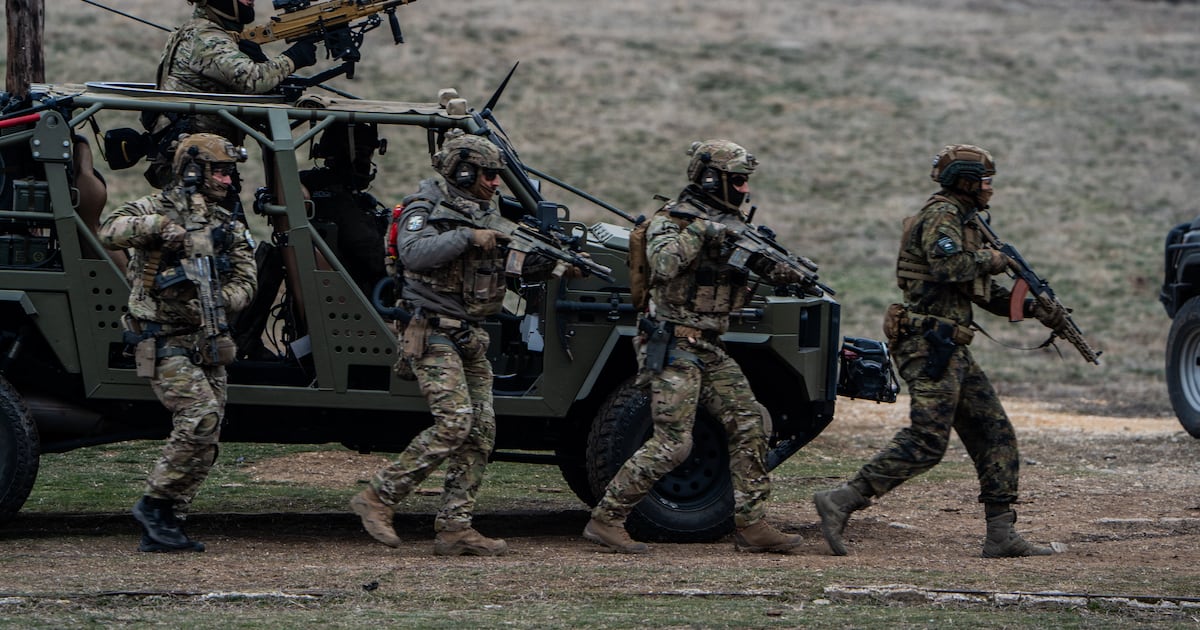
As European nations grapple with increasing security concerns, the Netherlands has initiated a significant preparedness campaign, instructing households on how to survive for 72 hours without essential services during emergencies. This shift reflects a broader change in Europe, where the prospect of war is no longer viewed as distant or hypothetical.
The government booklet distributed to Dutch citizens outlines potential threats, emphasizing that while the Netherlands is not currently at war, the situation remains precarious. It warns of foreign influence efforts, including misinformation campaigns and potential attacks on critical infrastructure such as power and internet systems. “Our safety is under threat,” the booklet states, highlighting a growing anxiety among the public.
A notable factor contributing to this shift is the stance of the United States under the administration of former President Donald Trump. The National Security Strategy released last month indicates a desire to withdraw American troops stationed in Europe, where they have served as a deterrent against Russian aggression since World War II. This decision has left European leaders reconsidering their own military readiness.
In a stark warning, NATO chief Mark Rutte stated, “We are Russia’s next target. And we are already in harm’s way.” He underscored the need for European nations to prepare for a scale of conflict reminiscent of previous generations. Intelligence reports suggest that Russia may be gearing up for conflicts extending beyond Ukraine, with the potential to target NATO countries within three to five years.
Public sentiment across Europe echoes these concerns. A resident from the Netherlands expressed a palpable sense of foreboding, while a friend in France recounted alarming remarks from Fabien Mandon, the chief of the French defense forces. Mandon cautioned that France may have to endure significant sacrifices, including the loss of lives, in the face of an escalating threat from Russia. He stated, “We must accept that we live in a risky world, and that we may have to use force to protect who we are.”
The atmosphere of insecurity is intensified by a series of troubling incidents, including sabotage and cyberattacks. Recently, Germany summoned the Russian ambassador to address an increase in hybrid attacks, including a cyber assault on air traffic control and attempts to interfere in elections. Russia has denied involvement in these activities, yet the accusations have further strained relations.
The summer blackout across the Iberian Peninsula serves as a stark reminder of vulnerabilities within critical infrastructure. Although attributed to technical issues, the incident demonstrated how interconnected systems could lead to widespread chaos, stranding people and disrupting communications.
Concerns are particularly acute in Ireland, where a report by consultancy Deloitte Ireland and the Institute of International and European Affairs highlighted the precarious security environment facing the nation. The report noted that the potential for an armed attack on an EU member state is no longer beyond the realm of possibility. It specifically flagged Dublin Port as a critical vulnerability, stating that disruptions there could lead to food shortages within three days.
Participants in the report’s discussions voiced apprehensions about increased spying activities from foreign intelligence services, particularly from countries like Russia and China. The report referenced a thwarted plot to assassinate the CEO of a German defense company, underscoring the tangible threats facing Europe.
As Europe navigates this uncertain landscape, the message remains clear: the continent is shifting towards a military footing, preparing for challenges that could redefine its security dynamics. The sentiments expressed by participants in the Deloitte report resonate deeply: “Not only are we heading for war in Europe, but we are heading for a war Europe might lose.”

Mother Reveals Daughter’s Meningitis Seizure After Night Out

Major Oil Spill Disrupts Traffic in Donegal on March 16, 2026

Discovering Literature: The Joys of Rejoining a Public Library

Ted Season 2 Announced: Release Date & Trailer Updates Revealed

Research Ireland and UKRI Forge New Collaboration Agreement

David McGoldrick’s Impressive Scoring Streak Sparks World Cup Talk

Plane Crash Claims Lives of Publishing Heir, Pregnant Wife, and Pilot

Oscars Snub Brigitte Bardot Sparks Controversy Over In Memoriam

Meta Plans Major Layoffs to Offset Rising AI Investment Costs

Tributes Surge for 9-Year-Old Leon Briody After Cancer Battle

Aimee Osbourne Joins Family for Emotional Tribute to Ozzy

Danny Healy-Rae Considers Complaint After Altercation with Garda

Hawaii Commemorates 80 Years Since Hiroshima Bombing with Ceremony

Ireland Enjoys Summer Heat as Hurricane Erin Approaches Atlantic

Couple Convicted of Murdering Two-Year-Old Grandson in Wales

Gaza Aid Distribution Tragedy: 20 Killed Amid Ongoing Violence

Newcastle West Woman Patricia Foley Found Safe After Urgent Search

Fianna Fáil TDs Urgently Consider Maire Geoghegan-Quinn for Presidency
-
 Top Stories10 months ago
Tributes Surge for 9-Year-Old Leon Briody After Cancer Battle
-
 Entertainment12 months ago
Aimee Osbourne Joins Family for Emotional Tribute to Ozzy
-
 Politics12 months ago
Danny Healy-Rae Considers Complaint After Altercation with Garda
-
 World12 months ago
Hawaii Commemorates 80 Years Since Hiroshima Bombing with Ceremony
-
 Top Stories11 months ago
Ireland Enjoys Summer Heat as Hurricane Erin Approaches Atlantic
-
 World12 months ago
Couple Convicted of Murdering Two-Year-Old Grandson in Wales
-
 World12 months ago
Gaza Aid Distribution Tragedy: 20 Killed Amid Ongoing Violence
-
 Top Stories10 months ago
Newcastle West Woman Patricia Foley Found Safe After Urgent Search
-
 Top Stories12 months ago
Fianna Fáil TDs Urgently Consider Maire Geoghegan-Quinn for Presidency
-

 World12 months ago
Aristocrat Constance Marten and Partner Convicted of Infant Murder
-

 Top Stories11 months ago
Climbing Errigal: A Must-Do Summer Adventure in Donegal
-

 Top Stories11 months ago
Hike Donegal’s Errigal Mountain NOW for Unforgettable Summer Views