
Politics
Fianna Fáil Faces Leadership Unrest as 2026 Looms

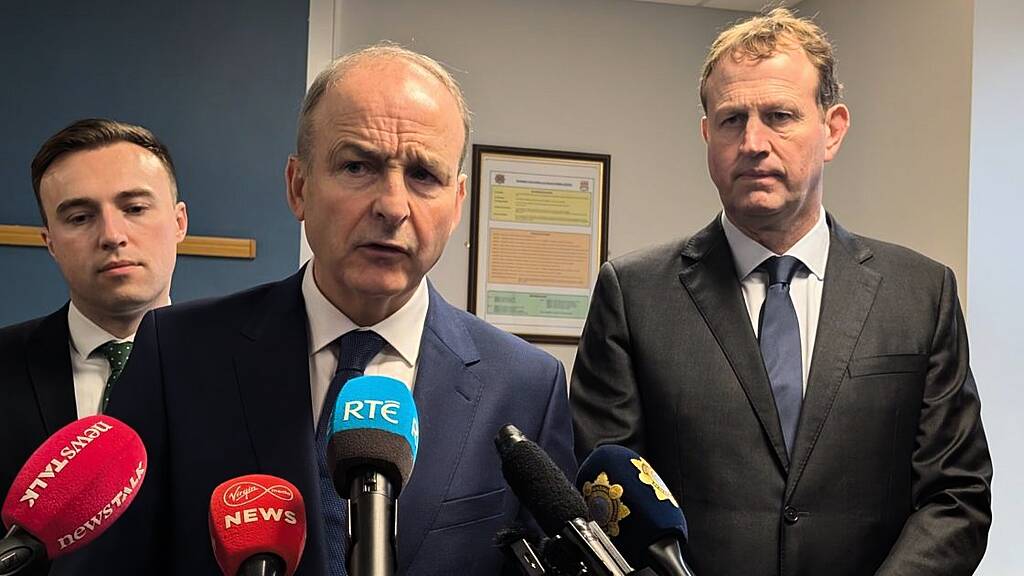
Micheál Martin, the current Taoiseach of Ireland, is under scrutiny following a review of the Fianna Fáil party’s handling of its recent presidential campaign. The report, released last week, did not unveil any shocking revelations, yet it highlighted significant unrest within the party ranks. The tension was palpable during a parliamentary meeting where Martin was described as “defensive” while addressing concerns regarding the party’s candidate selection process.
The review specifically examined the candidacy of Jim Gavin, the former Dublin football manager, who was selected as the party’s candidate on September 9, 2023. It revealed that party officials had been warned of potential issues related to Gavin’s financial history prior to his selection. Ultimately, Gavin withdrew from the race just three weeks before the election after it was disclosed that he owed €3,300 to a former tenant. He has since settled the debt but declined to participate in the review.
Despite the lack of unequivocal evidence against Martin, the findings prompted calls for improved vetting procedures for future candidates. The report suggested conducting thorough interviews with candidates’ family members, friends, former colleagues, and even political opponents, to ensure a more transparent selection process.
Leadership Dynamics and Potential Successors
While Martin has maintained his position, there are indications of a generational shift within the party. Jim O’Callaghan, the Minister for Justice, has emerged as a leading contender to succeed Martin. O’Callaghan, who has consistently supported the Taoiseach publicly, is regarded as a strong figure within the party due to his prominent role in tightening immigration laws, keeping him in the public eye.
Another potential successor is Jack Chambers, the Minister for Public Expenditure, who also endorsed Gavin but faced criticism in the review. At just 35, Chambers represents a younger generation of leaders who may seek to influence the party’s direction in the coming years. Other names mentioned include James Lawless, Minister for Higher Education, and Darragh O’Brien, Minister for Transport, although O’Callaghan is currently viewed as the frontrunner.
Despite some unrest regarding Martin’s leadership, there have been no serious moves towards a no-confidence motion, which would require the support of at least twelve party members. This suggests that, for the moment, Martin remains secure in his role.
Future Implications for Fianna Fáil
Martin has expressed his commitment to leading Fianna Fáil into the next general election. However, speculation persists that he may consider stepping down following Ireland’s EU presidency, set to commence on July 1, 2026, and conclude on December 31, 2026. Some party insiders believe he might facilitate a leadership transition after this period, allowing a new leader to serve as Taoiseach before the rotation with Fine Gael on November 16, 2027.
This would provide a newly appointed leader with a significant timeframe to establish their authority, potentially extending beyond the nine and a half months that Simon Harris served after Leo Varadkar stepped down.
As the political landscape in Ireland evolves, Fianna Fáil faces critical decisions about its leadership and direction. The coming months will be crucial as party members navigate these challenges while preparing for the next general election.

Mother Reveals Daughter’s Meningitis Seizure After Night Out

Major Oil Spill Disrupts Traffic in Donegal on March 16, 2026

Discovering Literature: The Joys of Rejoining a Public Library

Ted Season 2 Announced: Release Date & Trailer Updates Revealed

Research Ireland and UKRI Forge New Collaboration Agreement

David McGoldrick’s Impressive Scoring Streak Sparks World Cup Talk

Plane Crash Claims Lives of Publishing Heir, Pregnant Wife, and Pilot

Oscars Snub Brigitte Bardot Sparks Controversy Over In Memoriam

Meta Plans Major Layoffs to Offset Rising AI Investment Costs

Tributes Surge for 9-Year-Old Leon Briody After Cancer Battle

Aimee Osbourne Joins Family for Emotional Tribute to Ozzy

Danny Healy-Rae Considers Complaint After Altercation with Garda

Hawaii Commemorates 80 Years Since Hiroshima Bombing with Ceremony

Ireland Enjoys Summer Heat as Hurricane Erin Approaches Atlantic

Couple Convicted of Murdering Two-Year-Old Grandson in Wales

Gaza Aid Distribution Tragedy: 20 Killed Amid Ongoing Violence

Newcastle West Woman Patricia Foley Found Safe After Urgent Search

Fianna Fáil TDs Urgently Consider Maire Geoghegan-Quinn for Presidency
-
 Top Stories10 months ago
Tributes Surge for 9-Year-Old Leon Briody After Cancer Battle
-
 Entertainment12 months ago
Aimee Osbourne Joins Family for Emotional Tribute to Ozzy
-
 Politics12 months ago
Danny Healy-Rae Considers Complaint After Altercation with Garda
-
 World12 months ago
Hawaii Commemorates 80 Years Since Hiroshima Bombing with Ceremony
-
 Top Stories11 months ago
Ireland Enjoys Summer Heat as Hurricane Erin Approaches Atlantic
-
 World12 months ago
Couple Convicted of Murdering Two-Year-Old Grandson in Wales
-
 World12 months ago
Gaza Aid Distribution Tragedy: 20 Killed Amid Ongoing Violence
-
 Top Stories10 months ago
Newcastle West Woman Patricia Foley Found Safe After Urgent Search
-
 Top Stories12 months ago
Fianna Fáil TDs Urgently Consider Maire Geoghegan-Quinn for Presidency
-

 World12 months ago
Aristocrat Constance Marten and Partner Convicted of Infant Murder
-

 Top Stories11 months ago
Climbing Errigal: A Must-Do Summer Adventure in Donegal
-

 Top Stories11 months ago
Hike Donegal’s Errigal Mountain NOW for Unforgettable Summer Views