
Politics
Iran Closes Airspace Amid Rising Tensions with the US

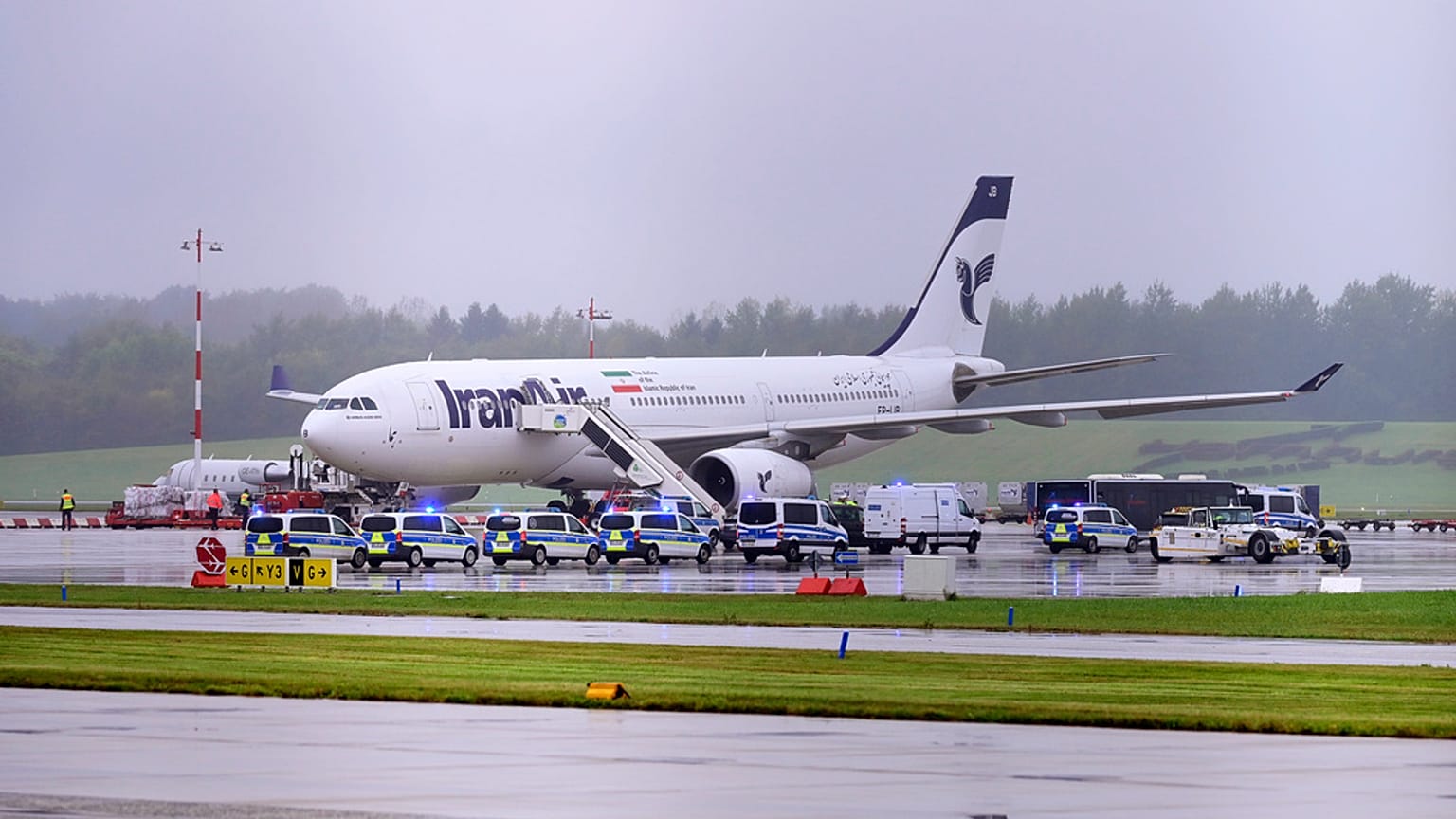
Iran restricted its airspace to commercial flights for over four hours on March 15, 2024, as tensions with the United States escalated due to ongoing protests within the country. The closure, which affected international carriers, came after personnel at a key US military base in Qatar received evacuation advisories, including directives from the US embassy in Kuwait to “temporarily halt” access to military sites in the region.
According to pilot guidance issued by Iranian authorities, the airspace restriction prompted airlines to reroute flights around Iran, which lies on a crucial East-West aviation route. The aviation information platform, SafeAirspace, noted that several airlines had already reduced or suspended their services due to the heightened tensions. The platform warned that the situation might indicate potential security or military activity, raising concerns about the risk of misidentification of civilian aircraft.
Despite the airspace restrictions, reports indicated that the closure had lifted by 07:00 local time, with some domestic flights resuming. Iran has previously imposed similar restrictions during conflicts, notably during the 12-day war against Israel in June 2023 and during exchanges of fire with Israel during the Israel-Hamas conflict. Nonetheless, there were no indications of immediate hostilities at the time of the latest airspace closure.
These developments coincided with statements from US President Donald Trump, who suggested that he had not ruled out military action against Iran in response to the government’s brutal crackdown on protesters. Trump remarked to reporters that plans for executions in Iran had reportedly ceased, although he provided little detail on this assertion.
Iranian Foreign Minister Abbas Araghchi emphasized the importance of diplomacy over conflict. In an interview with Fox News, he expressed a preference for negotiation, stating, “Between war and diplomacy, diplomacy is a better way, although we don’t have any positive experience from the United States.” This appeal for dialogue contrasted sharply with the rhetoric emanating from Washington.
The political climate has become increasingly tense as Iranian officials, including the chief of the judiciary, called for swift action against thousands detained during the protests. Activists have raised alarms about the potential for rapid executions of detainees, despite Trump’s claims that such actions had ceased. According to the US-based Human Rights Activists News Agency, nearly 3,500 individuals have lost their lives due to security forces’ crackdowns on demonstrations, marking the highest death toll in recent Iranian history and echoing the turmoil of the 1979 Islamic Revolution.
On March 13, Trump announced a 25% tariff on countries conducting business with Iran and encouraged Iranian citizens to continue protesting against their government. While he vowed to take action, the specifics of any US response remained unclear.
As the situation develops, the implications for both regional and global security continue to be a concern, particularly for international airlines navigating the complexities of airspace safety in the current geopolitical climate.

Mother Reveals Daughter’s Meningitis Seizure After Night Out

Major Oil Spill Disrupts Traffic in Donegal on March 16, 2026

Discovering Literature: The Joys of Rejoining a Public Library

Ted Season 2 Announced: Release Date & Trailer Updates Revealed

Research Ireland and UKRI Forge New Collaboration Agreement

David McGoldrick’s Impressive Scoring Streak Sparks World Cup Talk

Plane Crash Claims Lives of Publishing Heir, Pregnant Wife, and Pilot

Oscars Snub Brigitte Bardot Sparks Controversy Over In Memoriam

Meta Plans Major Layoffs to Offset Rising AI Investment Costs

Tributes Surge for 9-Year-Old Leon Briody After Cancer Battle

Aimee Osbourne Joins Family for Emotional Tribute to Ozzy

Danny Healy-Rae Considers Complaint After Altercation with Garda

Hawaii Commemorates 80 Years Since Hiroshima Bombing with Ceremony

Ireland Enjoys Summer Heat as Hurricane Erin Approaches Atlantic

Couple Convicted of Murdering Two-Year-Old Grandson in Wales

Gaza Aid Distribution Tragedy: 20 Killed Amid Ongoing Violence

Newcastle West Woman Patricia Foley Found Safe After Urgent Search

Fianna Fáil TDs Urgently Consider Maire Geoghegan-Quinn for Presidency
-
 Top Stories10 months ago
Tributes Surge for 9-Year-Old Leon Briody After Cancer Battle
-
 Entertainment12 months ago
Aimee Osbourne Joins Family for Emotional Tribute to Ozzy
-
 Politics12 months ago
Danny Healy-Rae Considers Complaint After Altercation with Garda
-
 World12 months ago
Hawaii Commemorates 80 Years Since Hiroshima Bombing with Ceremony
-
 Top Stories11 months ago
Ireland Enjoys Summer Heat as Hurricane Erin Approaches Atlantic
-
 World12 months ago
Couple Convicted of Murdering Two-Year-Old Grandson in Wales
-
 World12 months ago
Gaza Aid Distribution Tragedy: 20 Killed Amid Ongoing Violence
-
 Top Stories10 months ago
Newcastle West Woman Patricia Foley Found Safe After Urgent Search
-
 Top Stories12 months ago
Fianna Fáil TDs Urgently Consider Maire Geoghegan-Quinn for Presidency
-

 World12 months ago
Aristocrat Constance Marten and Partner Convicted of Infant Murder
-

 Top Stories11 months ago
Climbing Errigal: A Must-Do Summer Adventure in Donegal
-

 Top Stories11 months ago
Hike Donegal’s Errigal Mountain NOW for Unforgettable Summer Views