
Politics
Turbulent Year in Irish Politics: Key Events of 2025

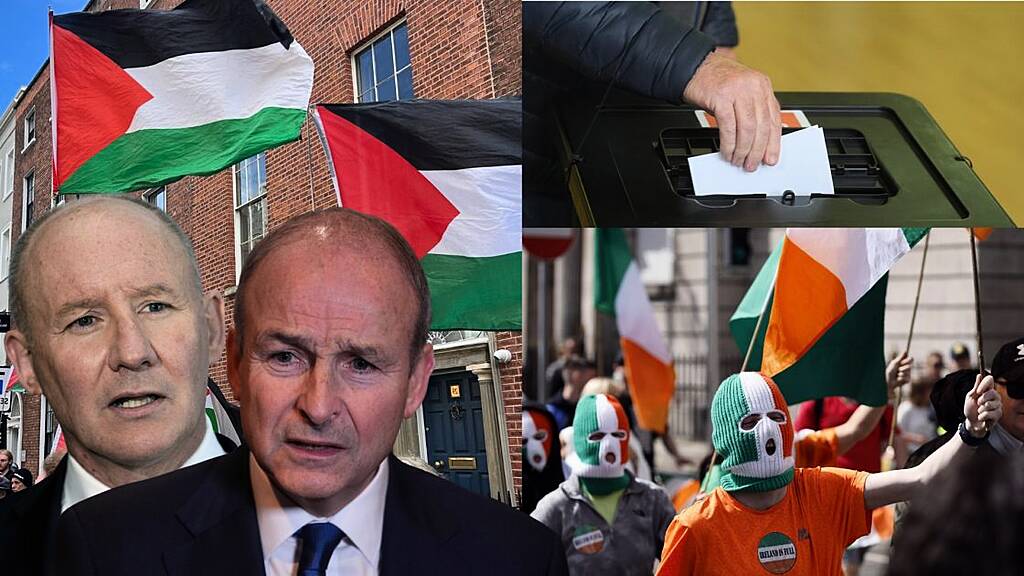
The political landscape in Ireland experienced significant upheaval throughout 2025, marked by controversy, electoral failures, and key policy debates. From chaotic sessions in the Dáil to a troubled presidential campaign, the year was defined by events that kept Irish politics firmly in the spotlight.
In January, following the general election held in November 2024, Micheál Martin was appointed Taoiseach after a coalition agreement was reached between Fianna Fáil, Fine Gael, and several independent representatives. However, Martin’s nomination process was marred by turmoil, as the Dáil faced multiple disruptions stemming from disputes over opposition speaking rights. Tensions escalated over whether Independents who aided in negotiating the government program should receive opposition slots. The Ceann Comhairle was compelled to suspend proceedings repeatedly due to the unrest, with Martin characterizing the events as “a subversion of the Irish Constitution.”
The political fallout from Storm Éowyn, which ravaged parts of Ireland in January, continued into February. Thousands remained without power for over a week, leading to criticism of the government’s preparedness. By February 4, approximately 25,000 customers were still affected. Opposition figures, including Brian Brennan of Fine Gael and Labour Party leader Ivana Bacik, condemned the government’s slow response and lack of infrastructure resilience.
In March, Martin’s annual St. Patrick’s Day visit to the White House became controversial following his awkward response to a joke made by Donald Trump regarding Ireland’s housing crisis. This incident was quickly overshadowed by Conor McGregor‘s appearance at the White House, where he made unfounded statements about immigration. Both Martin and Tánaiste Simon Harris were quick to distance themselves from McGregor, asserting that he did not represent the Irish public.
Political discourse surrounding immigration intensified throughout the spring. Influencer Garran Noone faced backlash for a video discussing immigration after McGregor’s controversial remarks. Following a brief hiatus from social media, Noone clarified his views, denouncing extremism while advocating for open discussion on the topic.
April also saw significant protests over immigration, including an anti-immigration march in Dublin on April 26, which was supported online by McGregor. The event led to a heavy police presence and extensive traffic disruptions as public order units monitored both protesters and counter-protesters.
As the year progressed, economic discussions gained traction, particularly regarding trade relations with the United States. In early April, Trump announced a 20 percent tariff on all EU imports, raising concerns about potential negative impacts on Ireland’s food, drink, and pharmaceutical sectors.
In July, attention shifted to the presidential election, with names of potential candidates circulating widely. Alan Shatter, former justice minister, faced backlash after making a controversial comparison regarding a proposed ban on trade with Israeli settlements. Meanwhile, former Taoiseach Bertie Ahern expressed interest in running for president but ultimately did not enter the race. Jim Gavin was later selected as Fianna Fáil’s candidate, a decision that faced scrutiny in light of his alleged financial issues with a former tenant.
The presidential election culminated in October, with Catherine Connolly emerging victorious over Fine Gael candidate Heather Humphreys. However, Gavin’s campaign was marred by reports of his failure to return over €3,300 in rent to a former tenant, which he had allegedly neglected since 2009.
In November, the government announced a significant budget package of €8.1 billion in public spending, alongside €1.3 billion in taxation measures, which included a minimum wage increase of €0.65 per hour. The political landscape continued to shift, with a Sinn Féin member expelled following her partner’s arrest in connection with a Garda investigation into far-right extremism.
The aftermath of the presidential election saw further controversy as the review of Fianna Fáil’s campaign revealed a total expenditure of approximately €400,000. Taoiseach Martin faced criticism for his handling of the campaign, describing its outcome as a “major setback” for the party and accepting responsibility for the missteps.
As 2025 draws to a close, the year’s events have left a lasting impact on Irish politics, underlining the importance of leadership accountability and the unpredictable nature of public sentiment.

Mother Reveals Daughter’s Meningitis Seizure After Night Out

Major Oil Spill Disrupts Traffic in Donegal on March 16, 2026

Discovering Literature: The Joys of Rejoining a Public Library

Ted Season 2 Announced: Release Date & Trailer Updates Revealed

Research Ireland and UKRI Forge New Collaboration Agreement

David McGoldrick’s Impressive Scoring Streak Sparks World Cup Talk

Plane Crash Claims Lives of Publishing Heir, Pregnant Wife, and Pilot

Oscars Snub Brigitte Bardot Sparks Controversy Over In Memoriam

Meta Plans Major Layoffs to Offset Rising AI Investment Costs

Tributes Surge for 9-Year-Old Leon Briody After Cancer Battle

Aimee Osbourne Joins Family for Emotional Tribute to Ozzy

Danny Healy-Rae Considers Complaint After Altercation with Garda

Hawaii Commemorates 80 Years Since Hiroshima Bombing with Ceremony

Ireland Enjoys Summer Heat as Hurricane Erin Approaches Atlantic

Couple Convicted of Murdering Two-Year-Old Grandson in Wales

Gaza Aid Distribution Tragedy: 20 Killed Amid Ongoing Violence

Newcastle West Woman Patricia Foley Found Safe After Urgent Search

Fianna Fáil TDs Urgently Consider Maire Geoghegan-Quinn for Presidency
-
 Top Stories10 months ago
Tributes Surge for 9-Year-Old Leon Briody After Cancer Battle
-
 Entertainment12 months ago
Aimee Osbourne Joins Family for Emotional Tribute to Ozzy
-
 Politics12 months ago
Danny Healy-Rae Considers Complaint After Altercation with Garda
-
 World12 months ago
Hawaii Commemorates 80 Years Since Hiroshima Bombing with Ceremony
-
 Top Stories11 months ago
Ireland Enjoys Summer Heat as Hurricane Erin Approaches Atlantic
-
 World12 months ago
Couple Convicted of Murdering Two-Year-Old Grandson in Wales
-
 World12 months ago
Gaza Aid Distribution Tragedy: 20 Killed Amid Ongoing Violence
-
 Top Stories10 months ago
Newcastle West Woman Patricia Foley Found Safe After Urgent Search
-
 Top Stories12 months ago
Fianna Fáil TDs Urgently Consider Maire Geoghegan-Quinn for Presidency
-

 World12 months ago
Aristocrat Constance Marten and Partner Convicted of Infant Murder
-

 Top Stories11 months ago
Climbing Errigal: A Must-Do Summer Adventure in Donegal
-

 Top Stories11 months ago
Hike Donegal’s Errigal Mountain NOW for Unforgettable Summer Views