
Politics
Venezuela’s Oil Diplomacy: Building Alliances with Key Partners

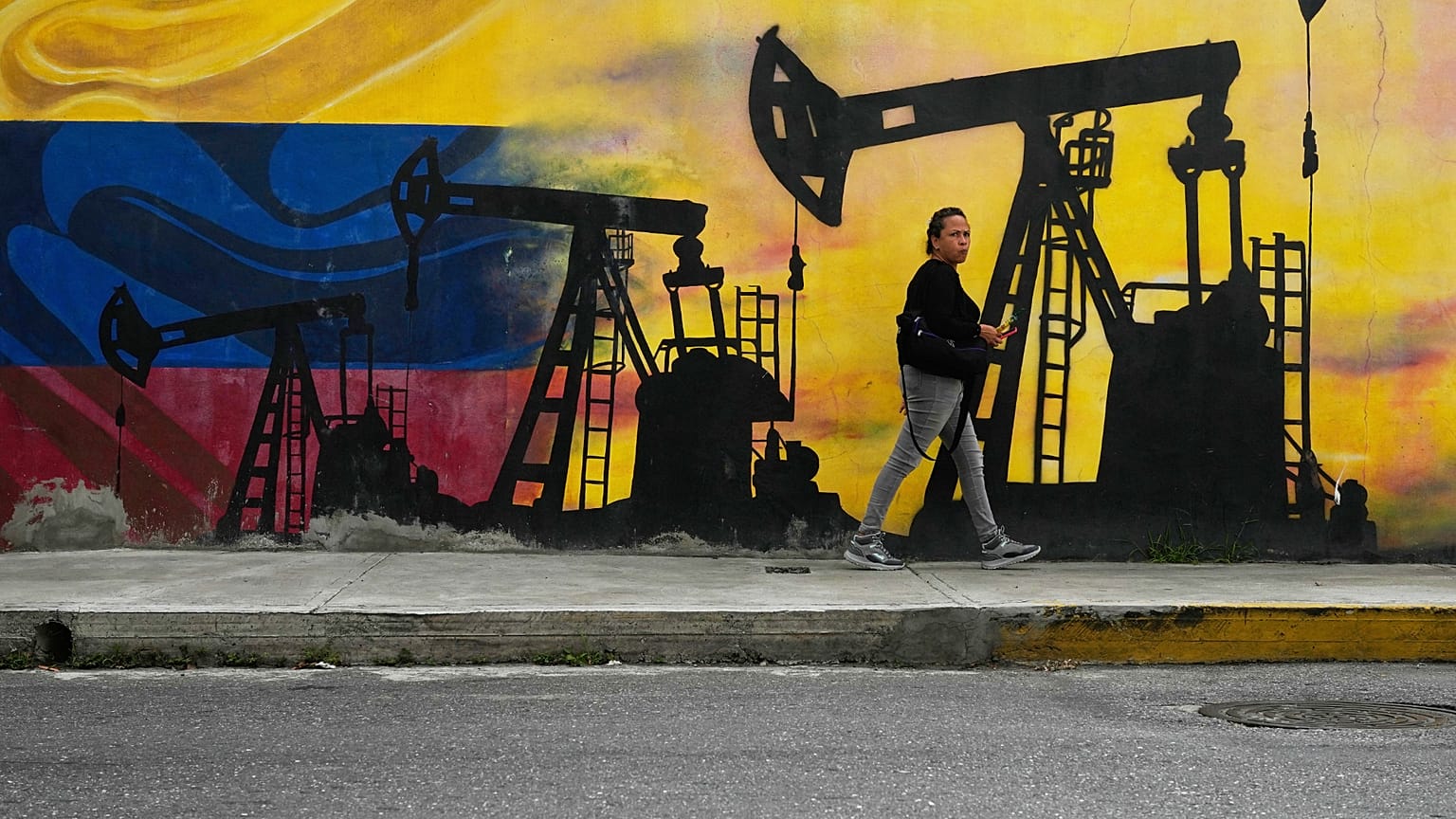
Venezuela has established a complex web of international alliances centered around its oil industry, primarily with countries such as Cuba, China, Russia, and Iran. Since 1999, the Venezuelan government has utilized its oil resources as a diplomatic tool, creating bilateral agreements that bypass conventional market operations. This strategy has allowed Venezuela to navigate financial constraints while maintaining its influence in regional and global politics.
The Venezuelan oil sector, under the influence of both the late President Hugo Chávez and his successor Nicolás Maduro, transformed into a key component of the nation’s foreign policy. Chávez positioned oil as more than just a commodity; it became integral to promoting regional integration and South-South cooperation. Through preferential agreements and long-term financing schemes, Venezuela’s state-owned oil company, PDVSA, leveraged its resources to forge strong political alliances across Latin America and the Caribbean.
Under Chávez, Venezuela’s oil production peaked, allowing for extensive commitments to foreign partners. However, this reliance on oil has drawn criticism from political analysts, including US political scientist Javier Corrales, who argues that Chávez’s policies exemplify “Dutch disease,” where a focus on one prosperous sector leads to the decline of others. Statistics indicate that oil production has dramatically deteriorated since Chávez took office, a trend that continued under Maduro.
Despite challenges in oil production and infrastructure, the fundamental structure of these diplomatic alliances has remained intact. Venezuela’s oil continues to serve as a crucial element in its relationships with strategic partners, with shipments often directed towards fulfilling past commitments or securing essential supplies.
Key Alliances in Venezuela’s Oil Diplomacy
Venezuela’s oil diplomacy has evolved through distinct partnerships with several countries, each contributing to the nation’s international positioning.
**Cuba** has been one of the most significant beneficiaries of Venezuelan oil. Beginning in the early 2000s, Venezuela began providing oil shipments to Cuba in exchange for various services, including medical and technical expertise. The scheme expanded through PetroCaribe, which offered deferred payment and preferential rates to Caribbean nations. According to Rogelio Núñez, a senior researcher at the Elcano Institute, Cuba’s dependency on Venezuelan oil has intensified, despite receiving lower volumes recently. This relationship is critical for Cuba’s economy, which could face severe repercussions if oil supplies are disrupted.
**China** emerged as a primary financial partner since the late 2000s, providing oil-backed loans that have become vital for Venezuela’s economy. These agreements obligate Venezuela to supply crude oil in exchange for financial assistance, allowing the state to navigate restricted access to international markets. Chinese companies have also engaged in oil exploration and production, particularly in the Orinoco Oil Belt. However, the heavy crude produced by Venezuela poses challenges for processing and export, leading to concerns about the long-term viability of these agreements.
**Russia** has bolstered its relationship with Venezuela primarily through energy sector collaboration. Russian firms have invested in joint oil projects, contributing capital and technology, but their interest is more geopolitically motivated than economically driven. The partnership allows Russia to exert influence in South America while countering US interests in the region.
**Iran** has also strengthened ties with Venezuela, especially during the latter half of the 2010s, as both countries faced stringent sanctions. They developed direct exchange mechanisms for oil, enabling both nations to circumvent traditional trading systems. Yet, the lack of transparency surrounding these agreements raises questions about their efficacy and the real benefits to both parties.
Challenges and Future Implications
The intricate network of alliances that Venezuela has built over the years illustrates the significant role that oil plays in its foreign policy. While it has allowed the country to maintain some level of influence internationally, the sustainability of these relationships remains uncertain, particularly given the declining oil production and ongoing economic challenges.
Analysts highlight that Venezuela’s outstanding debt to China exceeds $10 billion, raising concerns about the nation’s ability to fulfill its commitments. Additionally, the geopolitical motivations behind alliances with Russia and Iran reflect the complexity of Venezuela’s international positioning, which often prioritizes political solidarity over economic gain.
As Venezuela navigates its oil diplomacy, the future of these alliances will depend significantly on the country’s ability to stabilize its oil production and maintain favorable relations with its partners. The ongoing political instability under Maduro’s administration further complicates these dynamics, leaving the nation’s economic and diplomatic future hanging in the balance.

Mother Reveals Daughter’s Meningitis Seizure After Night Out

Major Oil Spill Disrupts Traffic in Donegal on March 16, 2026

Discovering Literature: The Joys of Rejoining a Public Library

Ted Season 2 Announced: Release Date & Trailer Updates Revealed

Research Ireland and UKRI Forge New Collaboration Agreement

David McGoldrick’s Impressive Scoring Streak Sparks World Cup Talk

Plane Crash Claims Lives of Publishing Heir, Pregnant Wife, and Pilot

Oscars Snub Brigitte Bardot Sparks Controversy Over In Memoriam

Meta Plans Major Layoffs to Offset Rising AI Investment Costs

Tributes Surge for 9-Year-Old Leon Briody After Cancer Battle

Aimee Osbourne Joins Family for Emotional Tribute to Ozzy

Danny Healy-Rae Considers Complaint After Altercation with Garda

Hawaii Commemorates 80 Years Since Hiroshima Bombing with Ceremony

Ireland Enjoys Summer Heat as Hurricane Erin Approaches Atlantic

Couple Convicted of Murdering Two-Year-Old Grandson in Wales

Gaza Aid Distribution Tragedy: 20 Killed Amid Ongoing Violence

Newcastle West Woman Patricia Foley Found Safe After Urgent Search

Fianna Fáil TDs Urgently Consider Maire Geoghegan-Quinn for Presidency
-
 Top Stories10 months ago
Tributes Surge for 9-Year-Old Leon Briody After Cancer Battle
-
 Entertainment12 months ago
Aimee Osbourne Joins Family for Emotional Tribute to Ozzy
-
 Politics12 months ago
Danny Healy-Rae Considers Complaint After Altercation with Garda
-
 World12 months ago
Hawaii Commemorates 80 Years Since Hiroshima Bombing with Ceremony
-
 Top Stories11 months ago
Ireland Enjoys Summer Heat as Hurricane Erin Approaches Atlantic
-
 World12 months ago
Couple Convicted of Murdering Two-Year-Old Grandson in Wales
-
 World12 months ago
Gaza Aid Distribution Tragedy: 20 Killed Amid Ongoing Violence
-
 Top Stories10 months ago
Newcastle West Woman Patricia Foley Found Safe After Urgent Search
-
 Top Stories12 months ago
Fianna Fáil TDs Urgently Consider Maire Geoghegan-Quinn for Presidency
-

 World12 months ago
Aristocrat Constance Marten and Partner Convicted of Infant Murder
-

 Top Stories11 months ago
Climbing Errigal: A Must-Do Summer Adventure in Donegal
-

 Top Stories11 months ago
Hike Donegal’s Errigal Mountain NOW for Unforgettable Summer Views