
Science
Antarctic Ice Vault Secures Alpine Glaciers for Future Study

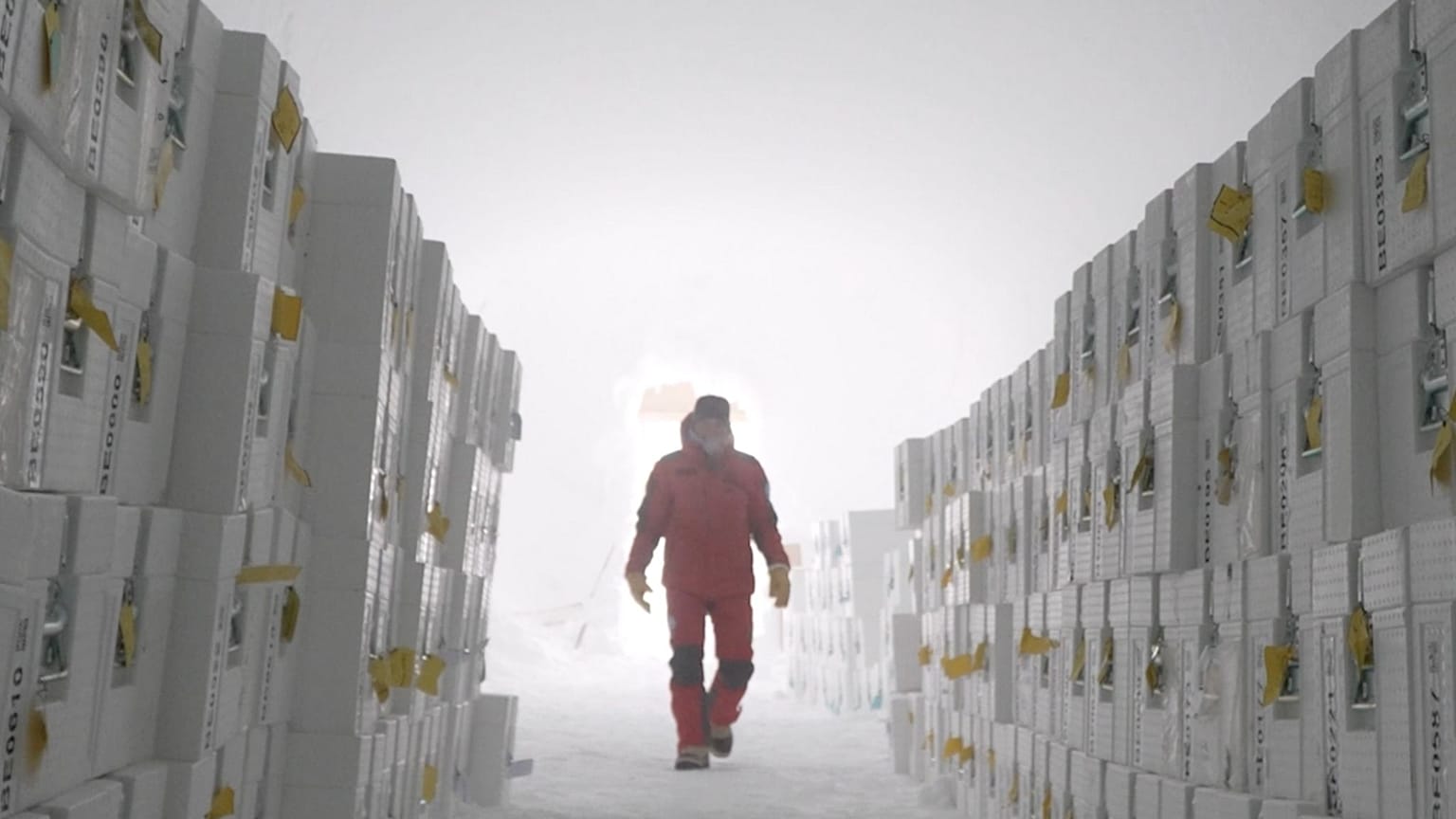
A significant scientific initiative has emerged with the recent inauguration of the Ice Memory Sanctuary in Antarctica. This facility, located near the Franco-Italian Concordia research base, will serve as a preservation site for ice samples from glaciers around the world. Notably, a slice of the Mont Blanc glacier from France and a core from Switzerland’s Grand Combin glacier have become the first samples stored in this unique Antarctic archive.
The Ice Memory Sanctuary, officially opened on January 14, 2023, features a man-made cavern of ice positioned nine metres below the surface. The first two ice cores were transported from Europe in specially designed containers maintained at -20°C. This archive is intended to preserve vital records of the planet’s climatic history as glaciers around the world face the threat of rapid melting due to climate change.
Scientists have expressed the urgent need to safeguard these ice samples. Professor Carlo Barbante, Vice Chair of the Ice Memory Foundation, emphasized the importance of the samples, stating, “The ice doesn’t lie. All the samples are different – the ice cores from non-polar regions tell us the history of the regional climate they are from.” Future researchers may utilize advanced techniques to analyze various elements trapped in the ice, including dust from combustion, DNA from species, and traces from significant events such as volcanic eruptions and nuclear tests.
Climate projections for the Alps indicate that glaciers below 4,000 metres could vanish by the end of the century. Furthermore, any surviving ice is expected to be significantly altered by melting. Celeste Saulo, Director General of the World Meteorological Organisation, highlighted the urgency of the situation, stating, “Since 1975, glaciers have lost the equivalent of a block of ice the size of Germany and 25 metres thick. Information lost can never be recovered.”
The opening ceremony celebrated the scientific achievement but also highlighted the pressing challenges posed by climate change. Professor Jérôme Chappellaz, a founder of the project, conveyed mixed emotions, acknowledging a sense of pride alongside despair regarding the slow global response to the climate crisis. His sentiments were echoed by Prince Albert II of Monaco, who attended as Honorary President of the Ice Memory Foundation. He remarked, “We are reminded of the fragility and permanence of our planet. Glaciers should be recognized as a common heritage of humanity.”
The Ice Memory Sanctuary faces certain risks, particularly concerning the integrity of its ice caverns. The team at the Concordia research base remains confident that the structures can endure for decades. Should any shifts occur, they can replicate the cavern within six weeks. The Sanctuary is located in a region protected under the 1959 Antarctic Treaty and the Madrid Protocol, necessitating ongoing diplomatic and political commitment from both France and Italy.
As the global community grapples with the realities of climate change, the Ice Memory Sanctuary represents a vital effort to preserve the historical record of our planet’s cryosphere. Scientists are racing against time to ensure that future generations can study these invaluable ice samples, which hold the stories of both Earth’s climate and humanity’s impact on it.

Mother Reveals Daughter’s Meningitis Seizure After Night Out

Major Oil Spill Disrupts Traffic in Donegal on March 16, 2026

Discovering Literature: The Joys of Rejoining a Public Library

Ted Season 2 Announced: Release Date & Trailer Updates Revealed

Research Ireland and UKRI Forge New Collaboration Agreement

David McGoldrick’s Impressive Scoring Streak Sparks World Cup Talk

Plane Crash Claims Lives of Publishing Heir, Pregnant Wife, and Pilot

Oscars Snub Brigitte Bardot Sparks Controversy Over In Memoriam

Meta Plans Major Layoffs to Offset Rising AI Investment Costs

Tributes Surge for 9-Year-Old Leon Briody After Cancer Battle

Aimee Osbourne Joins Family for Emotional Tribute to Ozzy

Danny Healy-Rae Considers Complaint After Altercation with Garda

Hawaii Commemorates 80 Years Since Hiroshima Bombing with Ceremony

Ireland Enjoys Summer Heat as Hurricane Erin Approaches Atlantic

Couple Convicted of Murdering Two-Year-Old Grandson in Wales

Gaza Aid Distribution Tragedy: 20 Killed Amid Ongoing Violence

Newcastle West Woman Patricia Foley Found Safe After Urgent Search

Fianna Fáil TDs Urgently Consider Maire Geoghegan-Quinn for Presidency
-
 Top Stories11 months ago
Tributes Surge for 9-Year-Old Leon Briody After Cancer Battle
-
 Entertainment1 year ago
Aimee Osbourne Joins Family for Emotional Tribute to Ozzy
-
 Politics1 year ago
Danny Healy-Rae Considers Complaint After Altercation with Garda
-
 World1 year ago
Hawaii Commemorates 80 Years Since Hiroshima Bombing with Ceremony
-
 Top Stories12 months ago
Ireland Enjoys Summer Heat as Hurricane Erin Approaches Atlantic
-
 World1 year ago
Couple Convicted of Murdering Two-Year-Old Grandson in Wales
-
 World1 year ago
Gaza Aid Distribution Tragedy: 20 Killed Amid Ongoing Violence
-
 Top Stories11 months ago
Newcastle West Woman Patricia Foley Found Safe After Urgent Search
-
 Top Stories1 year ago
Fianna Fáil TDs Urgently Consider Maire Geoghegan-Quinn for Presidency
-

 World1 year ago
Aristocrat Constance Marten and Partner Convicted of Infant Murder
-
 Top Stories12 months ago
Climbing Errigal: A Must-Do Summer Adventure in Donegal
-
 Top Stories12 months ago
Hike Donegal’s Errigal Mountain NOW for Unforgettable Summer Views