
Science
Europe Must Scale Energy Innovations to Compete Globally

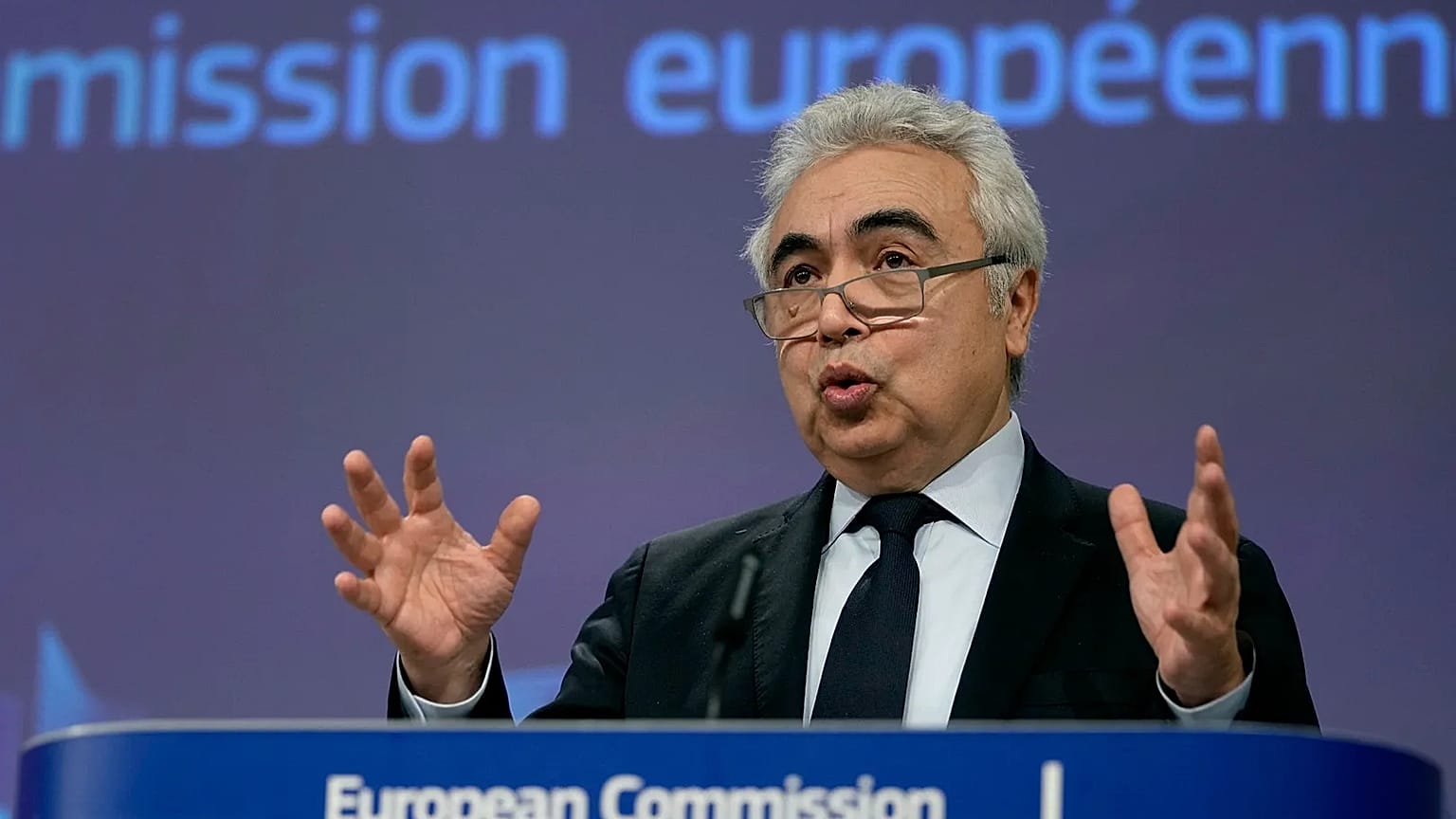
A recent report from the International Energy Agency (IEA) highlights Europe’s strengths in energy research while cautioning that the continent must improve the commercialisation of its innovations. The report, presented as energy ministers convene for discussions, underscores the risk that Europe could become a mere research hub, lacking the industrial scaling needed to deploy its technological advancements on a larger scale.
According to the IEA, Europe does not face an innovation deficit but rather a significant scaling challenge. The report suggests that while the continent excels in research and pilot projects, it often struggles to translate these breakthroughs into extensive industrial applications. The IEA’s findings are particularly relevant as energy ministers gather to evaluate recent technological achievements in the sector, focusing on pivotal areas such as small modular reactors (SMRs), fusion energy, and carbon capture and storage.
The IEA warns that Europe’s primary risk lies not in the absence of innovative ideas but in becoming a testing ground for technologies that are commercialised elsewhere. This concern aligns with the European Union’s current policy focus, which aims to enhance domestic industries and improve global competitiveness. Environmental advocates argue that this approach contradicts the EU’s commitments to achieving climate neutrality by 2050.
The report also highlights the potential of innovative technologies that could capture or prevent millions of tonnes of CO2 from being released into the atmosphere. In 2023, the IEA estimated that approximately 35% of the CO2 reductions required by 2050 would depend on technologies that have yet to be commercially available. This projection has since been revised to suggest that only one-quarter of reductions will rely on uncommercialised technologies, providing some reassurance to energy policymakers.
Fatih Birol, the IEA’s Executive Director, stated, “Energy innovation has become a strategic priority for governments around the world. With energy security and industrial competitiveness at the top of the agenda, countries that sustain investment in research, demonstration and early deployment will be best positioned to lead the next generation of energy technologies.”
The report identifies over 150 major innovative breakthroughs, including advancements in air conditioning, perovskite solar cells, sodium-ion batteries, and next-generation geothermal systems. The IEA notes that energy technologies have emerged as strategic economic assets, with patents and domestic technological capabilities increasingly linked to national competitiveness.
In 2025, European start-ups captured 25% of global energy venture capital, an increase from 15% five years prior. The region also accounted for over 40% of energy start-ups securing initial funding rounds. In contrast, the United States dominated with nearly half of all energy venture capital in 2025, excelling across various technologies. Meanwhile, Japan has focused on batteries and is advancing in areas such as perovskite solar, hydrogen-based fuels, and fusion energy.
Despite these achievements, challenges remain. The IEA’s report indicates a decline in energy-technology patenting across major European economies, and European start-ups often secure smaller funding rounds compared to their US counterparts. Nevertheless, the IEA affirms that Europe continues to excel in specific areas, notably fusion energy, underground hydrogen storage, industrial electrification, power grid stabilisation, CO2 storage, synthetic fuels, and methane detection.
Addressing Challenges with EU Support
The report points to the EU Competitiveness Fund, a €410 billion initiative aimed at bolstering industrial competitiveness, as a crucial response to the challenges faced by Europe’s small and medium-sized enterprises (SMEs) and start-ups. The IEA argues that this fund reflects a growing commitment to strengthening domestic technological capabilities and securing critical supply chains, paralleling initiatives like the US Genesis Mission.
Cecilia Bonefeld-Dahl, Director General of Digital Europe, emphasised the importance of aligning EU funding with innovation, stating, “Aligning EU funding with innovation is key to turning public investment into real impact for companies. Innovations left on university shelves do not bring benefits until they reach the market.”
Dan Jørgensen, the European Commissioner for Energy and Housing, stated that the clean energy transition is already underway globally. He highlighted that between 2019 and 2024, the expansion of wind and solar generation in the EU is estimated to have avoided around €59 billion in fossil fuel import costs. Jørgensen concluded that the objective is not only to decarbonise but also to enhance the EU’s energy security and independence.
He remarked, “For Europe, the clean energy transition is an industrial strategy. Renewables, electrification, and modern grids are not costs to manage but strategic assets that help us lower prices and protect our consumers from energy supply shocks.”
As Europe navigates the complexities of energy innovation and commercialisation, the findings from the IEA serve as both a wake-up call and a roadmap for future action. The continent’s ability to scale its advancements will determine its role in the global energy landscape in the years to come.

Mother Reveals Daughter’s Meningitis Seizure After Night Out

Major Oil Spill Disrupts Traffic in Donegal on March 16, 2026

Discovering Literature: The Joys of Rejoining a Public Library

Ted Season 2 Announced: Release Date & Trailer Updates Revealed

Research Ireland and UKRI Forge New Collaboration Agreement

David McGoldrick’s Impressive Scoring Streak Sparks World Cup Talk

Plane Crash Claims Lives of Publishing Heir, Pregnant Wife, and Pilot

Oscars Snub Brigitte Bardot Sparks Controversy Over In Memoriam

Meta Plans Major Layoffs to Offset Rising AI Investment Costs

Tributes Surge for 9-Year-Old Leon Briody After Cancer Battle

Aimee Osbourne Joins Family for Emotional Tribute to Ozzy

Danny Healy-Rae Considers Complaint After Altercation with Garda

Hawaii Commemorates 80 Years Since Hiroshima Bombing with Ceremony

Ireland Enjoys Summer Heat as Hurricane Erin Approaches Atlantic

Couple Convicted of Murdering Two-Year-Old Grandson in Wales

Gaza Aid Distribution Tragedy: 20 Killed Amid Ongoing Violence

Newcastle West Woman Patricia Foley Found Safe After Urgent Search

Fianna Fáil TDs Urgently Consider Maire Geoghegan-Quinn for Presidency
-
 Top Stories11 months ago
Tributes Surge for 9-Year-Old Leon Briody After Cancer Battle
-
 Entertainment1 year ago
Aimee Osbourne Joins Family for Emotional Tribute to Ozzy
-
 Politics1 year ago
Danny Healy-Rae Considers Complaint After Altercation with Garda
-
 World1 year ago
Hawaii Commemorates 80 Years Since Hiroshima Bombing with Ceremony
-
 Top Stories1 year ago
Ireland Enjoys Summer Heat as Hurricane Erin Approaches Atlantic
-
 World1 year ago
Couple Convicted of Murdering Two-Year-Old Grandson in Wales
-
 World1 year ago
Gaza Aid Distribution Tragedy: 20 Killed Amid Ongoing Violence
-
 Top Stories11 months ago
Newcastle West Woman Patricia Foley Found Safe After Urgent Search
-
 Top Stories1 year ago
Fianna Fáil TDs Urgently Consider Maire Geoghegan-Quinn for Presidency
-

 World1 year ago
Aristocrat Constance Marten and Partner Convicted of Infant Murder
-

 Top Stories1 year ago
Climbing Errigal: A Must-Do Summer Adventure in Donegal
-

 Top Stories1 year ago
Hike Donegal’s Errigal Mountain NOW for Unforgettable Summer Views