
Science
Europe Risks Losing Energy Innovation Edge Without Scaling

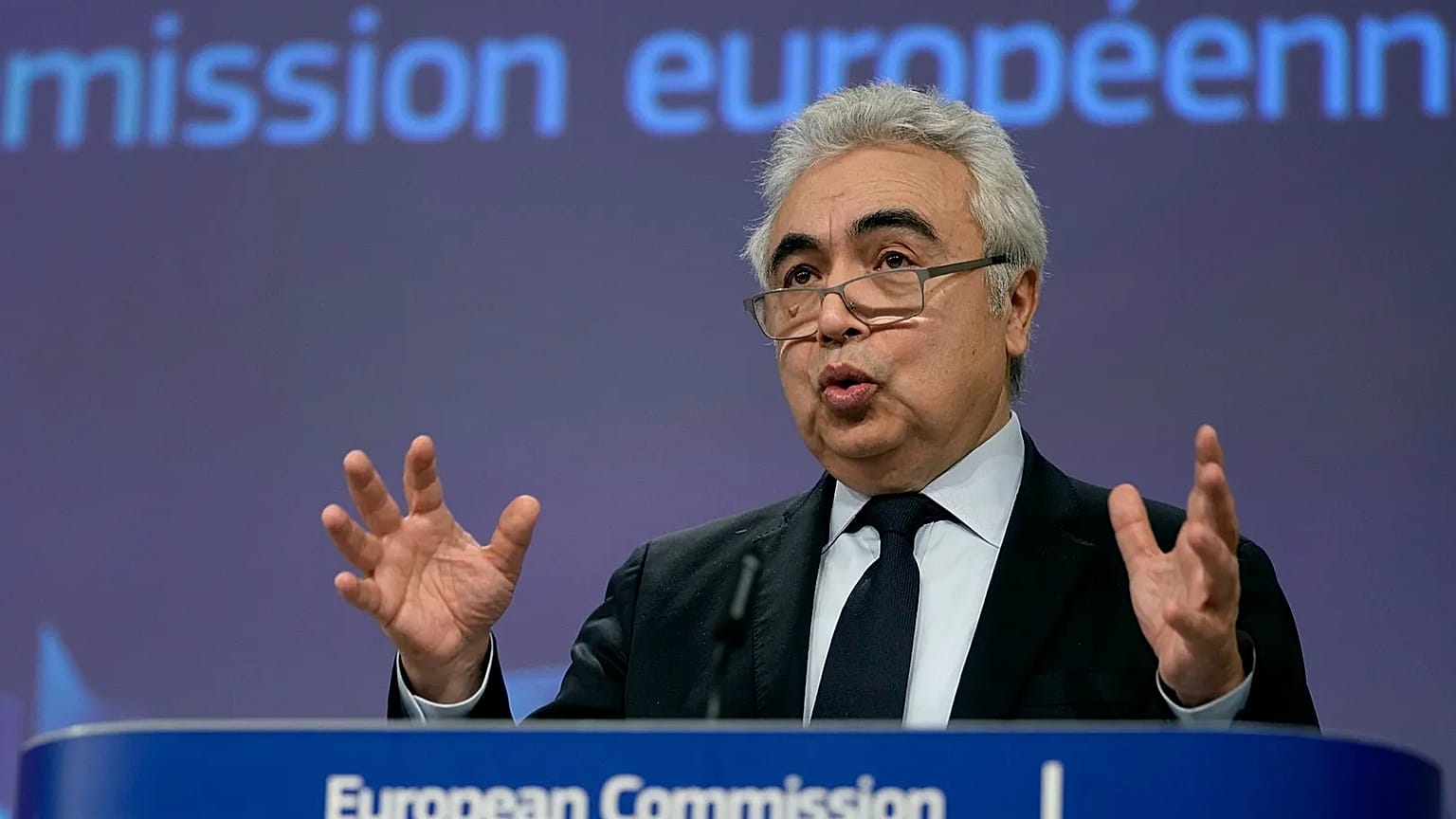
A recent report from the International Energy Agency (IEA) highlights Europe’s significant achievements in energy research but raises concerns about the continent’s ability to scale these innovations for commercial success. The IEA emphasized that while Europe excels in developing advanced technologies, it risks becoming merely a testing ground for other nations if it cannot effectively industrialize its research.
The report was unveiled on March 15, 2023, during a ministerial meeting in Paris where energy ministers gathered to discuss the latest advancements in the sector. Among the technologies reviewed were small modular reactors (SMRs), fusion energy, and carbon capture and storage—critical components for the European Union’s energy security and decarbonization ambitions.
According to the IEA, Europe does not face a lack of innovative ideas but rather a problem with scaling these innovations to meet industrial demands. The report warns that without systemic improvements in commercializing technologies, Europe could fall behind in the global energy landscape. This aligns with current EU policies aimed at enhancing domestic industries to maintain competitiveness on the world stage.
Environmental advocates argue that without a more robust approach to commercialization, Europe risks undermining its commitments to achieve climate neutrality by 2050. The IEA’s findings underscore that around 25% of the necessary CO2 reductions to meet this goal will rely on technologies that are not yet commercially viable, a reduction from previous estimates of 35%. This adjustment may offer some reassurance to energy policymakers concerned with balancing innovation and practicality.
“Energy innovation has become a strategic priority for governments around the world,” stated Fatih Birol, Executive Director of the IEA. “Countries that sustain investment in research, demonstration, and early deployment will be best positioned to lead the next generation of energy technologies.”
The report identified over 150 innovative breakthroughs, including advancements in air conditioning, perovskite solar cells, and sodium-ion batteries. It noted that energy technologies are now seen as strategic economic assets, with patents and supply chains closely linked to national competitiveness.
Europe has made notable strides in energy venture capital, capturing 25% of global investments in 2025, up from 15% five years earlier. The region has also accounted for more than 40% of energy start-ups securing initial funding rounds. In contrast, the United States dominated almost half of the energy venture capital market, excelling across various technologies. Japan remains a strong competitor in battery technology and is also advancing in areas such as hydrogen-based fuels and fusion energy.
Despite these advancements, challenges persist. The IEA pointed out that patenting in energy technology has declined in major European economies, and European start-ups generally secure smaller funding rounds compared to their U.S. counterparts. Nevertheless, the report highlights that Europe continues to lead in specific areas, notably fusion energy, underground hydrogen storage, and methane detection.
The IEA’s findings also underscore the importance of the EU Competitiveness Fund, a €410 billion initiative aimed at enhancing industrial competitiveness. This fund is expected to undergo scrutiny by EU co-legislators and serves as a key response to challenges faced by small and medium enterprises (SMEs) and start-ups in Europe.
“Aligning EU funding with innovation is key to turning public investment into real impact for companies,” said Cecilia Bonefeld-Dahl, Director General of Digital Europe. She emphasized that innovations must transition from academic settings to market realities to deliver tangible benefits.
European Commissioner for Energy and Housing Dan Jørgensen remarked that the clean energy transition is not a distant goal but is actively occurring worldwide. He noted that from 2019 to 2024, the expansion of wind and solar power in the EU is projected to have saved around €59 billion in fossil fuel import costs. “For Europe, the clean energy transition is an industrial strategy,” Jørgensen added, highlighting that renewables and modern energy infrastructures are strategic assets crucial for lowering costs and enhancing energy security.
The IEA’s report serves as both a reminder of Europe’s strengths in energy innovation and a call to action to ensure that these advancements translate into real-world applications that can secure the continent’s energy future.

Mother Reveals Daughter’s Meningitis Seizure After Night Out

Major Oil Spill Disrupts Traffic in Donegal on March 16, 2026

Discovering Literature: The Joys of Rejoining a Public Library

Ted Season 2 Announced: Release Date & Trailer Updates Revealed

Research Ireland and UKRI Forge New Collaboration Agreement

David McGoldrick’s Impressive Scoring Streak Sparks World Cup Talk

Plane Crash Claims Lives of Publishing Heir, Pregnant Wife, and Pilot

Oscars Snub Brigitte Bardot Sparks Controversy Over In Memoriam

Meta Plans Major Layoffs to Offset Rising AI Investment Costs

Tributes Surge for 9-Year-Old Leon Briody After Cancer Battle

Aimee Osbourne Joins Family for Emotional Tribute to Ozzy

Danny Healy-Rae Considers Complaint After Altercation with Garda

Hawaii Commemorates 80 Years Since Hiroshima Bombing with Ceremony

Ireland Enjoys Summer Heat as Hurricane Erin Approaches Atlantic

Couple Convicted of Murdering Two-Year-Old Grandson in Wales

Gaza Aid Distribution Tragedy: 20 Killed Amid Ongoing Violence

Newcastle West Woman Patricia Foley Found Safe After Urgent Search

Fianna Fáil TDs Urgently Consider Maire Geoghegan-Quinn for Presidency
-
 Top Stories10 months ago
Tributes Surge for 9-Year-Old Leon Briody After Cancer Battle
-
 Entertainment12 months ago
Aimee Osbourne Joins Family for Emotional Tribute to Ozzy
-
 Politics12 months ago
Danny Healy-Rae Considers Complaint After Altercation with Garda
-
 World1 year ago
Hawaii Commemorates 80 Years Since Hiroshima Bombing with Ceremony
-
 Top Stories11 months ago
Ireland Enjoys Summer Heat as Hurricane Erin Approaches Atlantic
-
 World1 year ago
Couple Convicted of Murdering Two-Year-Old Grandson in Wales
-
 World1 year ago
Gaza Aid Distribution Tragedy: 20 Killed Amid Ongoing Violence
-
 Top Stories10 months ago
Newcastle West Woman Patricia Foley Found Safe After Urgent Search
-
 Top Stories1 year ago
Fianna Fáil TDs Urgently Consider Maire Geoghegan-Quinn for Presidency
-

 World1 year ago
Aristocrat Constance Marten and Partner Convicted of Infant Murder
-

 Top Stories12 months ago
Climbing Errigal: A Must-Do Summer Adventure in Donegal
-

 Top Stories12 months ago
Hike Donegal’s Errigal Mountain NOW for Unforgettable Summer Views