
Science
Europe’s Housing Crisis: Young People Bear the Brunt of Rising Costs

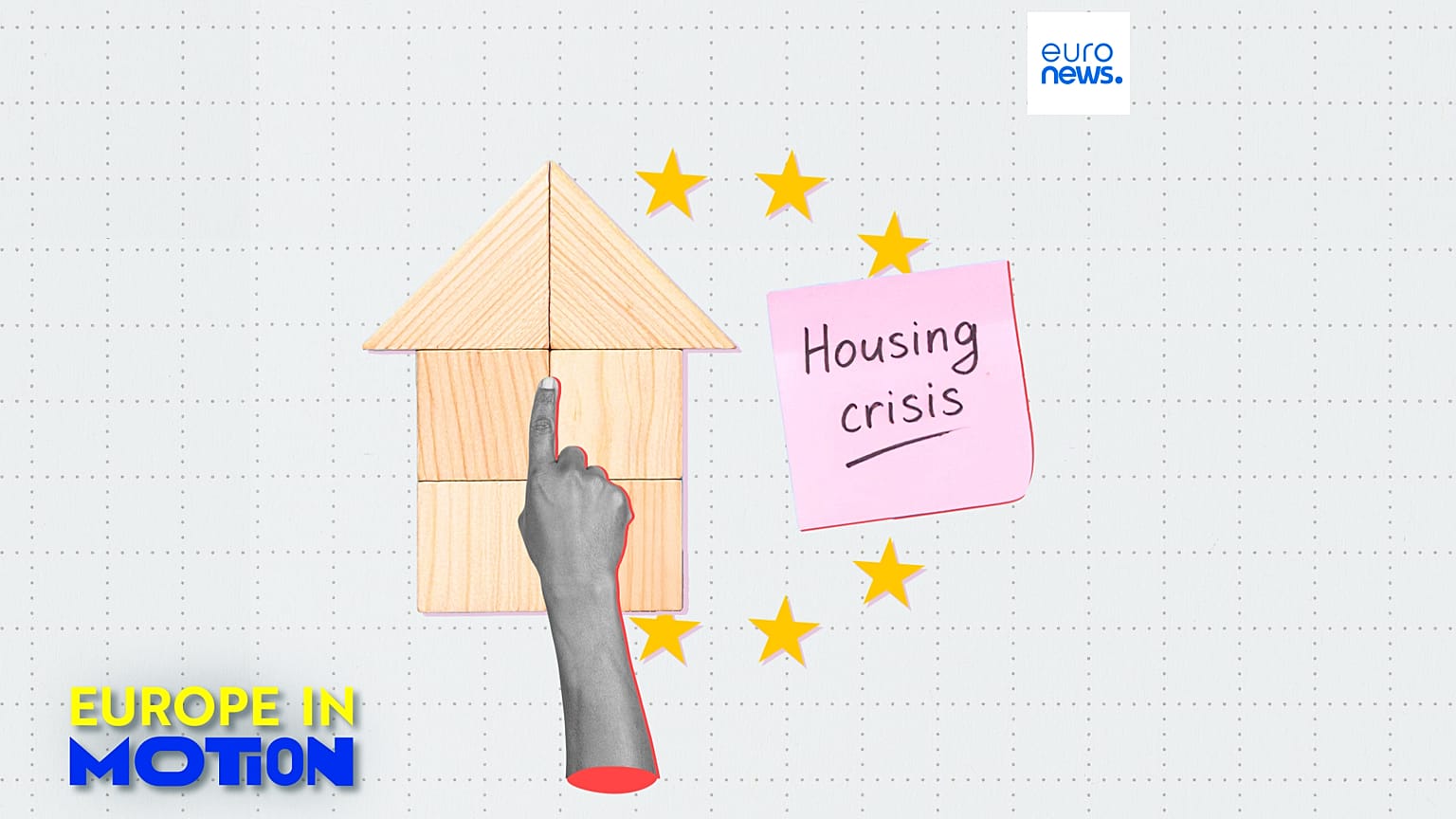
The European Union is grappling with a significant housing crisis, characterized by soaring property prices and rents that have severely impacted household budgets. Since 2010, average house sale prices across the EU have surged by 55.4%, while rents have increased by 26.7%. These trends have outstripped income growth for many, leading to deepening overcrowding and altering living arrangements, particularly for young people.
As of December 2025, the European Commission projected that housing prices in Portugal are approximately 25% overvalued, surpassing other markets within the bloc. This situation is especially challenging for individuals aged 18 to 29, who are statistically more likely to struggle with housing costs and utility payments. A recent report from Eurofound highlights that young people often seek housing in urban centers where job opportunities are concentrated, but these areas face acute shortages of affordable options.
Overcrowding and Independent Living Challenges
The report notes that many young Europeans are forced into living situations they would not typically choose, such as residing with parents or relatives. This arrangement often results in overcrowded conditions, as individuals compete for affordable housing. Data from 2024 reveals that 41% of homes in Romania are overcrowded, followed by 39% in Latvia and 34% in Bulgaria. In contrast, Cyprus, Malta, and the Netherlands report significantly lower overcrowding rates, at 2%, 4%, and 5%, respectively.
For those who manage to secure independent housing, the financial burden remains heavy. Young adults typically allocate a larger portion of their income to rent than other age groups, increasing their risk of being overburdened by housing costs. In several EU nations, the rental market is so unaffordable that more than 80% of the median wage is often required to rent a standard two-room apartment. Countries such as Bulgaria, Ireland, Poland, and Spain are among the worst affected, along with certain regions in Austria and Italy.
Investment Trends and Policy Responses
Despite these challenges, some EU countries are making efforts to address the housing crisis through increased investment. According to the latest data from Eurostat, the EU invested 5.3% of its GDP in housing in 2024. Cyprus leads the way with an investment of 8% of GDP, followed by Italy at 6.8% and Germany at 6.2%. On the other hand, Poland, Latvia, and Greece lag behind, investing just 2.2%, 2.5%, and 2.6% of GDP, respectively.
In a significant step towards alleviating the housing crisis, the European Commission introduced its first-ever Affordable Housing Plan last year. This initiative aims to identify speculative behavior in the housing market and promote fairness for residents. The EU plans to mobilize at least €11.5 billion from its multiannual budget, in addition to committing €43 billion to social, affordable, and sustainable housing. National and regional promotional banks are also expected to invest €375 billion by 2029.
Unmet housing needs can lead to a range of adverse outcomes, including difficulties in achieving independent living, obstacles in career progression, negative impacts on mental health, and delays in family planning. The ongoing housing crisis in Europe underscores the urgent need for comprehensive solutions to ensure affordability and accessibility in the housing market.

Mother Reveals Daughter’s Meningitis Seizure After Night Out

Major Oil Spill Disrupts Traffic in Donegal on March 16, 2026

Discovering Literature: The Joys of Rejoining a Public Library

Ted Season 2 Announced: Release Date & Trailer Updates Revealed

Research Ireland and UKRI Forge New Collaboration Agreement

David McGoldrick’s Impressive Scoring Streak Sparks World Cup Talk

Plane Crash Claims Lives of Publishing Heir, Pregnant Wife, and Pilot

Oscars Snub Brigitte Bardot Sparks Controversy Over In Memoriam

Meta Plans Major Layoffs to Offset Rising AI Investment Costs

Tributes Surge for 9-Year-Old Leon Briody After Cancer Battle

Aimee Osbourne Joins Family for Emotional Tribute to Ozzy

Danny Healy-Rae Considers Complaint After Altercation with Garda

Hawaii Commemorates 80 Years Since Hiroshima Bombing with Ceremony

Ireland Enjoys Summer Heat as Hurricane Erin Approaches Atlantic

Couple Convicted of Murdering Two-Year-Old Grandson in Wales

Gaza Aid Distribution Tragedy: 20 Killed Amid Ongoing Violence

Newcastle West Woman Patricia Foley Found Safe After Urgent Search

Fianna Fáil TDs Urgently Consider Maire Geoghegan-Quinn for Presidency
-
 Top Stories11 months ago
Tributes Surge for 9-Year-Old Leon Briody After Cancer Battle
-
 Entertainment1 year ago
Aimee Osbourne Joins Family for Emotional Tribute to Ozzy
-
 Politics1 year ago
Danny Healy-Rae Considers Complaint After Altercation with Garda
-
 World1 year ago
Hawaii Commemorates 80 Years Since Hiroshima Bombing with Ceremony
-
 Top Stories12 months ago
Ireland Enjoys Summer Heat as Hurricane Erin Approaches Atlantic
-
 World1 year ago
Couple Convicted of Murdering Two-Year-Old Grandson in Wales
-
 World1 year ago
Gaza Aid Distribution Tragedy: 20 Killed Amid Ongoing Violence
-
 Top Stories11 months ago
Newcastle West Woman Patricia Foley Found Safe After Urgent Search
-
 Top Stories1 year ago
Fianna Fáil TDs Urgently Consider Maire Geoghegan-Quinn for Presidency
-

 World1 year ago
Aristocrat Constance Marten and Partner Convicted of Infant Murder
-

 Top Stories12 months ago
Climbing Errigal: A Must-Do Summer Adventure in Donegal
-

 Top Stories12 months ago
Hike Donegal’s Errigal Mountain NOW for Unforgettable Summer Views