
Science
Nationwide Survey Launches to Track Ireland’s Squirrels and Pine Martens

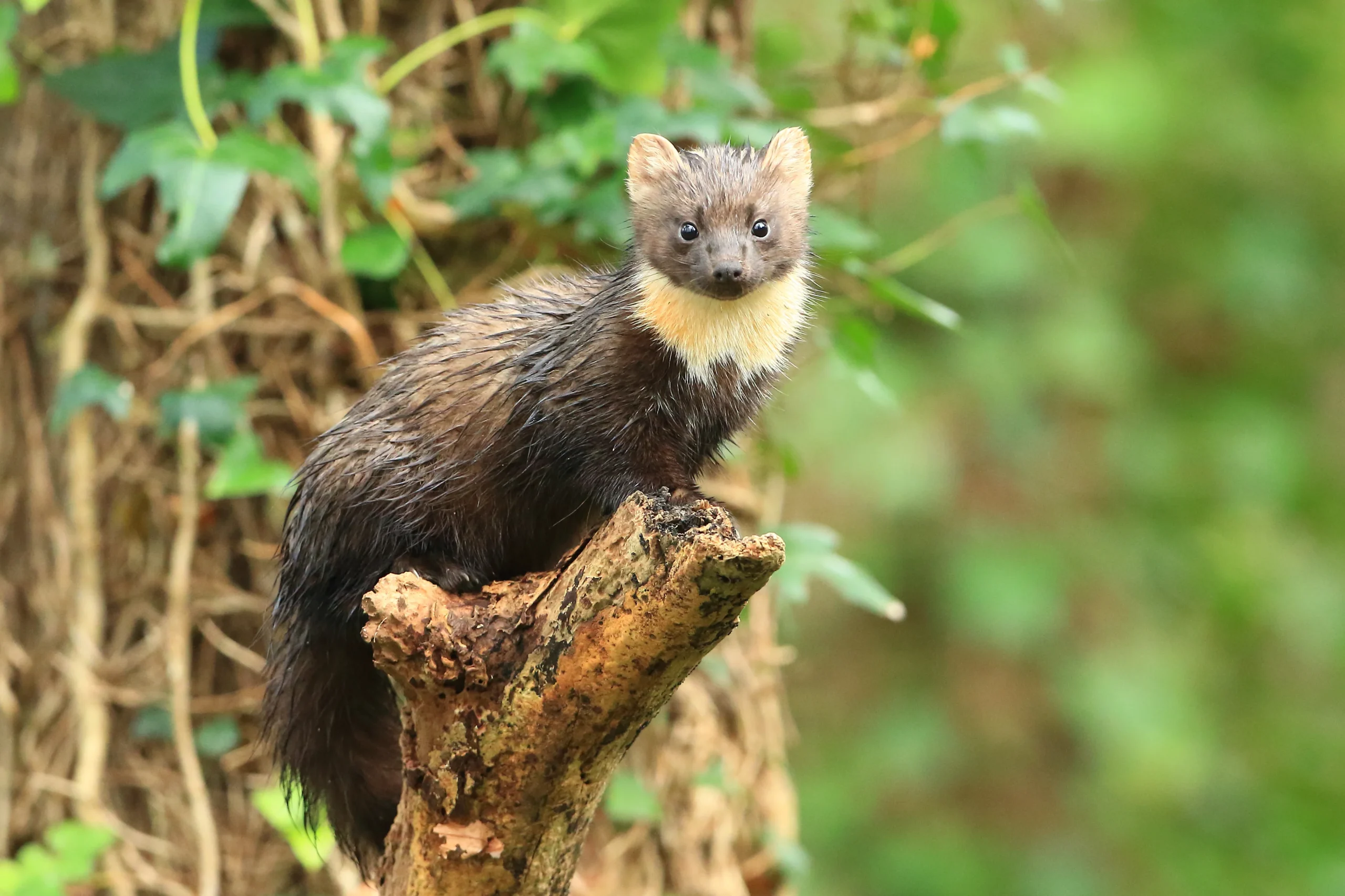
The University of Galway is spearheading a comprehensive survey across Ireland to monitor the populations of red squirrels and pine martens, aiming to assess any changes in their numbers over recent years. This initiative invites the public to participate as Citizen Scientists, contributing valuable data on these important woodland mammals throughout 2026.
In collaboration with Ulster Wildlife and the Vincent Wildlife Trust, the survey seeks to map the distribution of red and grey squirrels, along with pine martens, across the island of Ireland. The public can report their observations using online survey forms available at www.biodiversityireland.ie and www2.habitas.org.uk/records. This effort is supported by the National Biodiversity Data Centre in the Republic of Ireland and CEDaR in Northern Ireland.
Understanding Population Trends
The survey is part of a long-term monitoring program that has been in place since 1997. Previous surveys have provided critical insights into the trends and conservation status of these species. Historically, the red squirrel has been Ireland’s only native squirrel species, once thriving in forests and woodlands. However, the introduction of the grey squirrel in 1911 has severely impacted red squirrel populations due to disease and competition for resources, resulting in significant declines across the country.
Recent findings have revealed a surprising resurgence of red squirrels in certain areas, with grey squirrel numbers dropping significantly. This shift has been linked to the recovery of the pine marten, a native carnivore that preys on grey squirrels. Pine martens, having evolved alongside red squirrels, pose less of a threat to them, allowing the reds to adapt and thrive.
Dr. Colin Lawton from the University of Galway’s School of Natural Sciences emphasized the importance of this new survey. “In our most recent survey in 2019, we observed that the grey squirrel had nearly vanished from ten midland counties while both the red squirrel and pine marten were thriving,” he stated.
Yet, he cautioned that the dynamics among these species remain delicate. “We need to continue monitoring these animals to ensure that conditions do not change again. The grey squirrels are expanding in the south and northwest, particularly in urban areas where pine martens are scarce.”
Engaging the Public in Conservation
Katy Bell, Senior Conservation Officer at Ulster Wildlife, expressed enthusiasm for the collaboration. “Ulster Wildlife has been tracking these three species for over a decade in Northern Ireland and is pleased to partner with the University of Galway to gain a comprehensive understanding of their status across Ireland. This data will be invaluable for conservation efforts focused on the red squirrel and pine marten.”
Dr. Lawton noted the impact of public involvement in previous surveys, stating, “During our last survey, we received an impressive 3,407 records from the public regarding these species. This wealth of information is crucial for the protection of our native biodiversity.”
The survey not only aims to gather data but also encourages people to upload photographs and share their sightings to assist researchers in comprehending the distribution and health of these mammals. As the survey progresses, the contributions of Citizen Scientists will play a pivotal role in shaping future conservation strategies for Ireland’s iconic woodland inhabitants.

Mother Reveals Daughter’s Meningitis Seizure After Night Out

Major Oil Spill Disrupts Traffic in Donegal on March 16, 2026

Discovering Literature: The Joys of Rejoining a Public Library

Ted Season 2 Announced: Release Date & Trailer Updates Revealed

Research Ireland and UKRI Forge New Collaboration Agreement

David McGoldrick’s Impressive Scoring Streak Sparks World Cup Talk

Plane Crash Claims Lives of Publishing Heir, Pregnant Wife, and Pilot

Oscars Snub Brigitte Bardot Sparks Controversy Over In Memoriam

Meta Plans Major Layoffs to Offset Rising AI Investment Costs

Tributes Surge for 9-Year-Old Leon Briody After Cancer Battle

Aimee Osbourne Joins Family for Emotional Tribute to Ozzy

Danny Healy-Rae Considers Complaint After Altercation with Garda

Hawaii Commemorates 80 Years Since Hiroshima Bombing with Ceremony

Ireland Enjoys Summer Heat as Hurricane Erin Approaches Atlantic

Couple Convicted of Murdering Two-Year-Old Grandson in Wales

Gaza Aid Distribution Tragedy: 20 Killed Amid Ongoing Violence

Newcastle West Woman Patricia Foley Found Safe After Urgent Search

Fianna Fáil TDs Urgently Consider Maire Geoghegan-Quinn for Presidency
-
 Top Stories11 months ago
Tributes Surge for 9-Year-Old Leon Briody After Cancer Battle
-
 Entertainment1 year ago
Aimee Osbourne Joins Family for Emotional Tribute to Ozzy
-
 Politics1 year ago
Danny Healy-Rae Considers Complaint After Altercation with Garda
-
 World1 year ago
Hawaii Commemorates 80 Years Since Hiroshima Bombing with Ceremony
-
 Top Stories12 months ago
Ireland Enjoys Summer Heat as Hurricane Erin Approaches Atlantic
-
 World1 year ago
Couple Convicted of Murdering Two-Year-Old Grandson in Wales
-
 World1 year ago
Gaza Aid Distribution Tragedy: 20 Killed Amid Ongoing Violence
-
 Top Stories11 months ago
Newcastle West Woman Patricia Foley Found Safe After Urgent Search
-
 Top Stories1 year ago
Fianna Fáil TDs Urgently Consider Maire Geoghegan-Quinn for Presidency
-

 World1 year ago
Aristocrat Constance Marten and Partner Convicted of Infant Murder
-

 Top Stories12 months ago
Climbing Errigal: A Must-Do Summer Adventure in Donegal
-

 Top Stories12 months ago
Hike Donegal’s Errigal Mountain NOW for Unforgettable Summer Views