
Science
Scientists Unveil New DNA-Damaging Molecules for Cancer Therapy

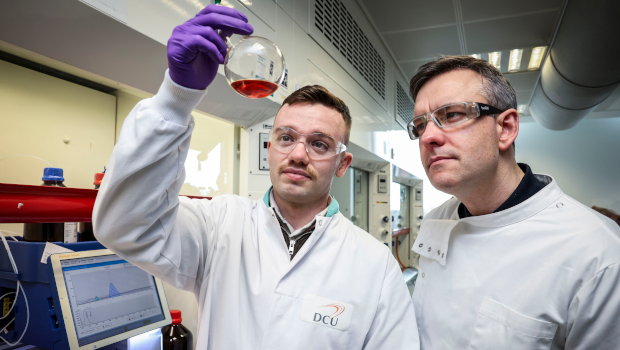
Researchers at Dublin City University (DCU) in Ireland, alongside teams from Chimie ParisTech – PSL in France, Chalmers University of Technology and Sahlgrenska University Hospital in Sweden, and the University of Limerick, have developed an innovative method for creating metal-based compounds that can damage the DNA of cancer cells. This breakthrough, announced on February 10, 2026, suggests a promising new avenue for the development of anticancer drugs.
The project, led by Prof Andrew Kellett, focuses on early-stage compounds that may serve as a foundation for future therapies, especially for cancers known to develop resistance to conventional treatments. The research team employed a technique called click chemistry, which allows for the efficient assembly of molecular components. This led to the creation of a family of compounds known as tri-click ligands. When these ligands are combined with copper ions, they form artificial metallo-nucleases, molecules specifically designed to cleave DNA.
One of the major obstacles in cancer treatment is the issue of drug resistance. Tumours often adapt by repairing specific DNA damage or obstructing the action of existing drugs. A significant advantage of this new approach is that the compounds target DNA through mechanisms distinct from those utilized by many current therapies, potentially bypassing the pathways that contribute to drug resistance.
Prof Kellett highlighted the transformative potential of click chemistry in the field of drug development, stating, “Click chemistry has transformed how we build complex molecules, but its potential as a platform to assemble DNA-damaging chemotherapeutics is under-explored. One of the major challenges in cancer treatment is drug resistance. By developing compounds that damage DNA in a different way, we aim to open up new possibilities for overcoming some of the limitations of existing therapies. While this research is still at an early stage, it provides a valuable platform for future drug development.”
In addition, Prof Damien Thompson, Director of the SSPC, the Research Ireland Centre for Pharmaceuticals and professor of molecular modelling at the University of Limerick, emphasized the importance of thorough molecular screening in creating more effective treatments. He stated, “This work exemplifies the value of systematic, deep screening of molecular properties in the development of more effective medicines. Support from SSPC enabled strong collaboration between our experimental and modelling teams, and this new design strategy marks a key milestone in developing sustainable, well-tolerated anticancer drugs.”
Prof Gilles Gasser, a specialist in Bioinorganic Chemistry at Chimie ParisTech, pointed to the significance of metal-based compounds in cancer research, suggesting that this work goes beyond the widely used platinum-based drugs. He remarked, “While still in its infancy, this study is a first step towards new solutions for cancer treatment.”
This research represents a collaborative effort among top scientists in Europe and highlights the potential for new therapies that could address the critical challenge of drug resistance in cancer treatment. As the project progresses, there is hope that these innovative compounds will lead to the development of more effective and sustainable anticancer drugs.

Mother Reveals Daughter’s Meningitis Seizure After Night Out

Major Oil Spill Disrupts Traffic in Donegal on March 16, 2026

Discovering Literature: The Joys of Rejoining a Public Library

Ted Season 2 Announced: Release Date & Trailer Updates Revealed

Research Ireland and UKRI Forge New Collaboration Agreement

David McGoldrick’s Impressive Scoring Streak Sparks World Cup Talk

Plane Crash Claims Lives of Publishing Heir, Pregnant Wife, and Pilot

Oscars Snub Brigitte Bardot Sparks Controversy Over In Memoriam

Meta Plans Major Layoffs to Offset Rising AI Investment Costs

Tributes Surge for 9-Year-Old Leon Briody After Cancer Battle

Aimee Osbourne Joins Family for Emotional Tribute to Ozzy

Danny Healy-Rae Considers Complaint After Altercation with Garda

Hawaii Commemorates 80 Years Since Hiroshima Bombing with Ceremony

Ireland Enjoys Summer Heat as Hurricane Erin Approaches Atlantic

Couple Convicted of Murdering Two-Year-Old Grandson in Wales

Gaza Aid Distribution Tragedy: 20 Killed Amid Ongoing Violence

Newcastle West Woman Patricia Foley Found Safe After Urgent Search

Fianna Fáil TDs Urgently Consider Maire Geoghegan-Quinn for Presidency
-
 Top Stories10 months ago
Tributes Surge for 9-Year-Old Leon Briody After Cancer Battle
-
 Entertainment12 months ago
Aimee Osbourne Joins Family for Emotional Tribute to Ozzy
-
 Politics12 months ago
Danny Healy-Rae Considers Complaint After Altercation with Garda
-
 World1 year ago
Hawaii Commemorates 80 Years Since Hiroshima Bombing with Ceremony
-
 Top Stories11 months ago
Ireland Enjoys Summer Heat as Hurricane Erin Approaches Atlantic
-
 World1 year ago
Couple Convicted of Murdering Two-Year-Old Grandson in Wales
-
 World1 year ago
Gaza Aid Distribution Tragedy: 20 Killed Amid Ongoing Violence
-
 Top Stories10 months ago
Newcastle West Woman Patricia Foley Found Safe After Urgent Search
-
 Top Stories1 year ago
Fianna Fáil TDs Urgently Consider Maire Geoghegan-Quinn for Presidency
-

 World1 year ago
Aristocrat Constance Marten and Partner Convicted of Infant Murder
-

 Top Stories12 months ago
Climbing Errigal: A Must-Do Summer Adventure in Donegal
-

 Top Stories12 months ago
Hike Donegal’s Errigal Mountain NOW for Unforgettable Summer Views