
Top Stories
Female Scientists and Engineers Rise in EU, Yet Disparities Persist

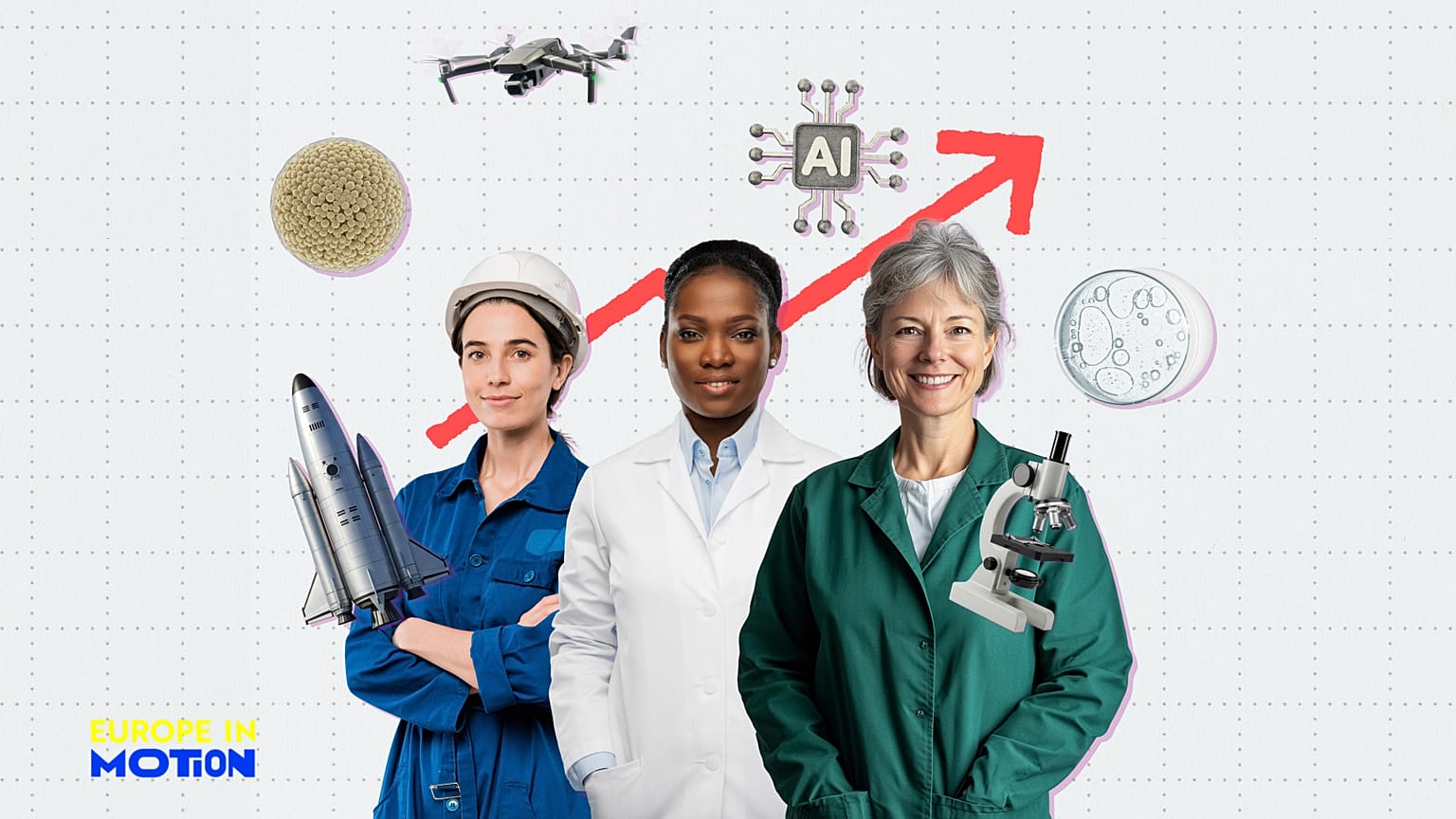
The latest data reveals a significant increase in the number of female scientists and engineers in the European Union, although disparities persist across sectors. According to the most recent figures from Eurostat, the number of women in these fields surged from 3.4 million in 2008 to 7.9 million in 2024. This growth is notable against the backdrop of a broader workforce in science and technology, which employed more than 73.8 million individuals aged 25 to 64 across the EU.
Despite this progress, challenges remain. Women researchers have nearly achieved parity in higher education and government sectors, with representation at 44% and 45%, respectively. However, in the business enterprise sector, their participation drops to 22%. Furthermore, women constitute only 25% of self-employed professionals within science, engineering, and information and communications technology (ICT).
The European Commission’s 2024 She Figures report highlights ongoing issues of gender segregation in the labor market. It notes, “Gender segregation remains a challenge in the labour market. However, there is a gradual trend towards reversing this, indicating slow but steady progress towards gender equality.”
Regional Insights and Gender Representation
Among EU member states, the highest percentages of female scientists and engineers are found in Latvia at 50.9%, followed by Denmark at 48.8% and Estonia at 47.9%. Conversely, the lowest representation is in Finland at 30.7%, Hungary at 31.7%, and Luxembourg at 32.4%.
Interestingly, in certain regions, women outnumber men in scientific roles. Specifically, female representation surpasses that of males in 11 regions across countries such as Spain, Portugal, Poland, Bulgaria, Sweden, and Latvia. The highest concentration of female scientists is in the Canary Islands, with 58.8%, followed by the Portuguese archipelagos of the Azores at 57.3% and Madeira at 56.4%.
In contrast, the regions with the lowest proportions of female scientists include Közép-Magyarország in Hungary at 30.0%, Manner-Suomi in Finland at 30.7%, and Sud in Italy at 31.1%.
Impact of Origin on Employment in STEM Fields
The report also indicates that women born outside the EU are significantly less likely to work as scientists or engineers, with only 36% employed in these roles. In comparison, women born in other EU nations and those born in the same EU country where they work have higher employment rates at 43% and 42%, respectively. The lowest proportions of women born outside the EU in scientific roles are found in Luxembourg at 21% and the Netherlands at 26%.
As the EU continues to work towards greater gender equality in science and engineering, these statistics underscore both progress made and the challenges that lie ahead. The ongoing efforts to increase female representation in STEM fields are critical for fostering innovation and ensuring diverse perspectives in research and development.

Mother Reveals Daughter’s Meningitis Seizure After Night Out

Major Oil Spill Disrupts Traffic in Donegal on March 16, 2026

Discovering Literature: The Joys of Rejoining a Public Library

Ted Season 2 Announced: Release Date & Trailer Updates Revealed

Research Ireland and UKRI Forge New Collaboration Agreement

David McGoldrick’s Impressive Scoring Streak Sparks World Cup Talk

Plane Crash Claims Lives of Publishing Heir, Pregnant Wife, and Pilot

Oscars Snub Brigitte Bardot Sparks Controversy Over In Memoriam

Meta Plans Major Layoffs to Offset Rising AI Investment Costs

Tributes Surge for 9-Year-Old Leon Briody After Cancer Battle

Aimee Osbourne Joins Family for Emotional Tribute to Ozzy

Danny Healy-Rae Considers Complaint After Altercation with Garda

Hawaii Commemorates 80 Years Since Hiroshima Bombing with Ceremony

Ireland Enjoys Summer Heat as Hurricane Erin Approaches Atlantic

Couple Convicted of Murdering Two-Year-Old Grandson in Wales

Gaza Aid Distribution Tragedy: 20 Killed Amid Ongoing Violence

Newcastle West Woman Patricia Foley Found Safe After Urgent Search

Fianna Fáil TDs Urgently Consider Maire Geoghegan-Quinn for Presidency
-
 Top Stories10 months ago
Tributes Surge for 9-Year-Old Leon Briody After Cancer Battle
-
 Entertainment12 months ago
Aimee Osbourne Joins Family for Emotional Tribute to Ozzy
-
 Politics12 months ago
Danny Healy-Rae Considers Complaint After Altercation with Garda
-
 World1 year ago
Hawaii Commemorates 80 Years Since Hiroshima Bombing with Ceremony
-
 Top Stories11 months ago
Ireland Enjoys Summer Heat as Hurricane Erin Approaches Atlantic
-
 World1 year ago
Couple Convicted of Murdering Two-Year-Old Grandson in Wales
-
 World1 year ago
Gaza Aid Distribution Tragedy: 20 Killed Amid Ongoing Violence
-
 Top Stories10 months ago
Newcastle West Woman Patricia Foley Found Safe After Urgent Search
-
 Top Stories1 year ago
Fianna Fáil TDs Urgently Consider Maire Geoghegan-Quinn for Presidency
-

 World1 year ago
Aristocrat Constance Marten and Partner Convicted of Infant Murder
-

 Top Stories12 months ago
Climbing Errigal: A Must-Do Summer Adventure in Donegal
-

 Top Stories12 months ago
Hike Donegal’s Errigal Mountain NOW for Unforgettable Summer Views