
Top Stories
Irish Businesses Prioritize Cost-Saving Sustainability Strategies

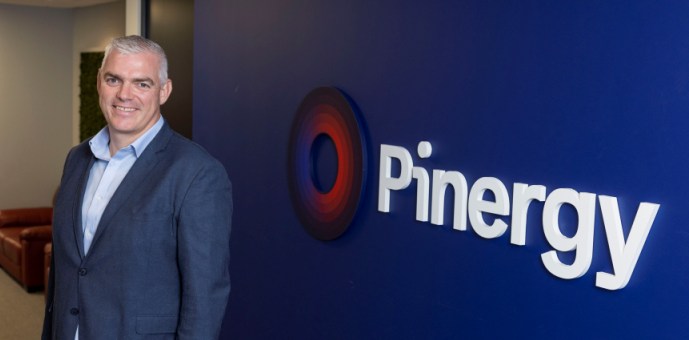
URGENT UPDATE: New research from energy transition company Pinergy, in collaboration with iReach Insights, reveals that Irish businesses are increasingly prioritizing cost savings in their sustainability strategies for 2026. The Pinergy Energy Sustainability Research Study confirms that a significant 68% of businesses cite cost efficiencies as their primary motivator for adopting sustainable practices.
As energy prices continue to fluctuate, 26% of respondents also emphasize the need for increased resilience against energy price volatility. However, the study uncovers alarming gaps in energy management, underscoring critical challenges for businesses aiming to adopt green initiatives.
The research highlights an “Energy Monitoring Gap,” where nearly 46% of companies actively track their energy consumption. Yet, a concerning 25% only monitor usage when bills arrive, while 29% admit to no real monitoring at all. This lack of oversight could hinder effective energy management and cost-saving opportunities.
Moreover, the study reveals a “Sustainability Leadership Vacuum,” with 28% of businesses lacking a dedicated individual or department responsible for driving energy management initiatives. This gap signifies a major opportunity for improved governance in sustainability efforts.
Daire Keating, Chief Commercial Officer at Pinergy, states,
“The findings clearly indicate that Irish businesses are not just looking at sustainability as a ‘nice-to-have’; it’s a strategic imperative driven by the bottom line.”
He added that businesses must address these gaps to successfully transition to a more sustainable and cost-efficient future.
Key findings from the study also show that 40% of Irish companies have set specific targets to reduce carbon emissions by the end of 2026, with another 24% actively considering such goals. Additionally, 43% of businesses have already installed solar panels, with 24% planning to do so in the upcoming year.
The push toward renewable energy is further illustrated by the fact that 21% of companies not currently utilizing green electricity plan to make the switch in 2024. This trend aligns with the increasing adoption of hybrid and electric vehicles, as 63% of businesses have incorporated these into their fleets, with 22% already fully electric.
Despite these positive trends, persistent challenges remain. Businesses cite upfront investment costs (42%), difficulties in securing financing (29%), and a lack of internal expertise (25%) as major hurdles in implementing energy-efficient measures.
The research, based on responses from 100 Energy Decision Makers across Ireland, offers vital insights for companies looking to refine their sustainability strategies. Keating emphasized the need for businesses to seek support in areas such as energy monitoring solutions and investment guidance.
Pinergy aims to bridge these gaps by providing tailored solutions that empower Irish businesses to achieve their sustainability goals, driving down costs and ensuring a more predictable energy future.
As sustainability becomes a top priority, the urgency for effective energy management and leadership within organizations has never been greater. The time for action is now, as businesses navigate the complex landscape of energy sustainability.

Mother Reveals Daughter’s Meningitis Seizure After Night Out

Major Oil Spill Disrupts Traffic in Donegal on March 16, 2026

Discovering Literature: The Joys of Rejoining a Public Library

Ted Season 2 Announced: Release Date & Trailer Updates Revealed

Research Ireland and UKRI Forge New Collaboration Agreement

David McGoldrick’s Impressive Scoring Streak Sparks World Cup Talk

Plane Crash Claims Lives of Publishing Heir, Pregnant Wife, and Pilot

Oscars Snub Brigitte Bardot Sparks Controversy Over In Memoriam

Meta Plans Major Layoffs to Offset Rising AI Investment Costs

Tributes Surge for 9-Year-Old Leon Briody After Cancer Battle

Aimee Osbourne Joins Family for Emotional Tribute to Ozzy

Danny Healy-Rae Considers Complaint After Altercation with Garda

Hawaii Commemorates 80 Years Since Hiroshima Bombing with Ceremony

Ireland Enjoys Summer Heat as Hurricane Erin Approaches Atlantic

Couple Convicted of Murdering Two-Year-Old Grandson in Wales

Gaza Aid Distribution Tragedy: 20 Killed Amid Ongoing Violence

Newcastle West Woman Patricia Foley Found Safe After Urgent Search

Fianna Fáil TDs Urgently Consider Maire Geoghegan-Quinn for Presidency
-
 Top Stories11 months ago
Tributes Surge for 9-Year-Old Leon Briody After Cancer Battle
-
 Entertainment12 months ago
Aimee Osbourne Joins Family for Emotional Tribute to Ozzy
-
 Politics12 months ago
Danny Healy-Rae Considers Complaint After Altercation with Garda
-
 World1 year ago
Hawaii Commemorates 80 Years Since Hiroshima Bombing with Ceremony
-
 Top Stories11 months ago
Ireland Enjoys Summer Heat as Hurricane Erin Approaches Atlantic
-
 World1 year ago
Couple Convicted of Murdering Two-Year-Old Grandson in Wales
-
 World1 year ago
Gaza Aid Distribution Tragedy: 20 Killed Amid Ongoing Violence
-
 Top Stories11 months ago
Newcastle West Woman Patricia Foley Found Safe After Urgent Search
-
 Top Stories1 year ago
Fianna Fáil TDs Urgently Consider Maire Geoghegan-Quinn for Presidency
-

 World1 year ago
Aristocrat Constance Marten and Partner Convicted of Infant Murder
-

 Top Stories12 months ago
Climbing Errigal: A Must-Do Summer Adventure in Donegal
-

 Top Stories12 months ago
Hike Donegal’s Errigal Mountain NOW for Unforgettable Summer Views