
Top Stories
Irish Businesses Prioritize Cost Savings in Energy Sustainability

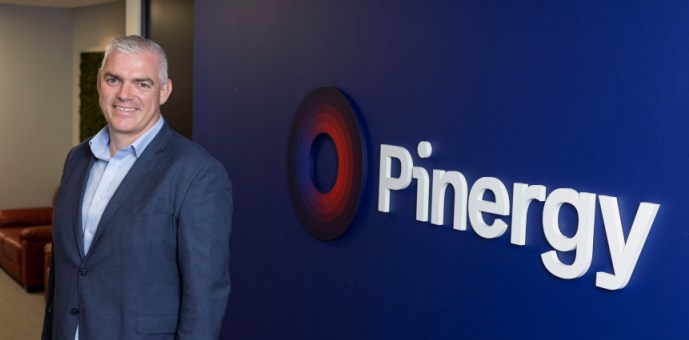
New research from energy transition company Pinergy, conducted in partnership with iReach Insights, reveals that Irish businesses are primarily motivated by cost savings as they develop their energy sustainability strategies for 2026. The findings from the Pinergy Energy Sustainability Research Study indicate that a significant 68% of businesses cite cost efficiencies as their main driver for investing in sustainable initiatives. Additionally, 26% are focusing on enhancing their resilience against energy price volatility.
While many businesses show a strong intent to adopt green technologies, such as solar power and electric vehicle (EV) fleets, the study highlights critical organizational challenges. Notably, nearly half (46%) of the surveyed companies actively monitor their energy usage, but a concerning 25% only do so upon receiving their energy bill, and 29% report no effective monitoring at all.
The research also identifies a troubling trend known as the Sustainability Leadership Vacuum. Approximately 28% of businesses reported having no single individual or department tasked with overseeing energy management and sustainability initiatives. This gap presents a significant opportunity for enhanced energy governance.
“The findings clearly indicate that Irish businesses are not just looking at sustainability as a ‘nice-to-have’ or purely for the sake of the environment; it’s a strategic imperative driven by the bottom line,” said Daire Keating, chief commercial officer at Pinergy. “The desire for cost savings and energy independence is a powerful catalyst for change. However, our research also shines a light on critical gaps in execution: you can’t effectively manage what you don’t measure, and without clear ownership, initiatives can lose momentum.”
Key findings from the study provide deeper insights into the motivations and challenges faced by Irish businesses.
Financial Motivators and Challenges
The study emphasizes that financial drivers dominate the motivations for pursuing energy sustainability. The overwhelming majority, at 68%, prioritize cost efficiencies, followed by 33% who aim to meet regulatory compliance and 26% who are focused on mitigating energy price fluctuations.
The identified Energy Monitoring Gap reveals significant discrepancies in energy management practices. While 46% of businesses monitor their energy usage, 25% only review their consumption when the bill arrives, and 29% do not engage in monitoring at all. This lack of consistent awareness hinders effective management of energy resources.
The absence of clear leadership in sustainability is further emphasized by the 28% of businesses that have no designated individual or department responsible for energy management, indicating a need for structured oversight.
Intentions and Future Trends
Despite these challenges, the intent to reduce carbon footprints is evident, with 40% of Irish businesses already setting specific targets for carbon reduction by the end of 2026. An additional 24% are actively considering such targets, reflecting a growing commitment to environmental responsibility.
Solar power adoption is on the rise, with 43% of surveyed businesses currently utilizing solar panels. Among those without solar installations, nearly 24% plan to install them in 2026, suggesting a promising trend toward renewable energy sources.
The transition to green energy is also gaining momentum, as 21% of companies not currently using green or renewable electricity plan to make the switch in the near future. This shift indicates a broader movement toward certified renewable energy sources.
Moreover, the incorporation of hybrid or electric vehicles into business fleets is accelerating, with more than 63% of businesses reporting the use of such vehicles, and 22% already operating fully electric fleets. Nearly 38% of those with non-EV fleets intend to transition additional vehicles to fully electric by 2026.
Despite these positive trends, businesses face persistent challenges. The primary hurdles include perceived upfront investment costs (42%), difficulties in securing financing (29%), and a lack of internal expertise (25%).
The comprehensive research, based on responses from 100 energy decision-makers across Ireland, provides valuable insights for companies looking to refine their sustainability strategies for the coming year.
“While the intent and ambition are clearly there, the research highlights areas where businesses need greater support – from clear energy monitoring solutions to guidance on navigating investment and establishing internal accountability,” added Daire Keating. “Pinergy is committed to helping Irish businesses bridge these gaps, offering tailored solutions that empower them to achieve their sustainability goals, drive down costs, and secure a more predictable energy future.”

Mother Reveals Daughter’s Meningitis Seizure After Night Out

Major Oil Spill Disrupts Traffic in Donegal on March 16, 2026

Discovering Literature: The Joys of Rejoining a Public Library

Ted Season 2 Announced: Release Date & Trailer Updates Revealed

Research Ireland and UKRI Forge New Collaboration Agreement

David McGoldrick’s Impressive Scoring Streak Sparks World Cup Talk

Plane Crash Claims Lives of Publishing Heir, Pregnant Wife, and Pilot

Oscars Snub Brigitte Bardot Sparks Controversy Over In Memoriam

Meta Plans Major Layoffs to Offset Rising AI Investment Costs

Tributes Surge for 9-Year-Old Leon Briody After Cancer Battle

Aimee Osbourne Joins Family for Emotional Tribute to Ozzy

Danny Healy-Rae Considers Complaint After Altercation with Garda

Hawaii Commemorates 80 Years Since Hiroshima Bombing with Ceremony

Ireland Enjoys Summer Heat as Hurricane Erin Approaches Atlantic

Couple Convicted of Murdering Two-Year-Old Grandson in Wales

Gaza Aid Distribution Tragedy: 20 Killed Amid Ongoing Violence

Newcastle West Woman Patricia Foley Found Safe After Urgent Search

Fianna Fáil TDs Urgently Consider Maire Geoghegan-Quinn for Presidency
-
 Top Stories11 months ago
Tributes Surge for 9-Year-Old Leon Briody After Cancer Battle
-
 Entertainment12 months ago
Aimee Osbourne Joins Family for Emotional Tribute to Ozzy
-
 Politics12 months ago
Danny Healy-Rae Considers Complaint After Altercation with Garda
-
 World1 year ago
Hawaii Commemorates 80 Years Since Hiroshima Bombing with Ceremony
-
 Top Stories11 months ago
Ireland Enjoys Summer Heat as Hurricane Erin Approaches Atlantic
-
 World1 year ago
Couple Convicted of Murdering Two-Year-Old Grandson in Wales
-
 World1 year ago
Gaza Aid Distribution Tragedy: 20 Killed Amid Ongoing Violence
-
 Top Stories11 months ago
Newcastle West Woman Patricia Foley Found Safe After Urgent Search
-
 Top Stories1 year ago
Fianna Fáil TDs Urgently Consider Maire Geoghegan-Quinn for Presidency
-

 World1 year ago
Aristocrat Constance Marten and Partner Convicted of Infant Murder
-

 Top Stories12 months ago
Climbing Errigal: A Must-Do Summer Adventure in Donegal
-

 Top Stories12 months ago
Hike Donegal’s Errigal Mountain NOW for Unforgettable Summer Views