
Top Stories
University of Limerick Research Unveils Marginalised Voices on Safety

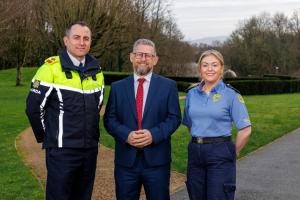
A recent report from the University of Limerick has illuminated the perspectives of marginalised communities in Ireland regarding policing and community safety. Conducted by researchers from the School of Medicine, the study, titled “Hidden Voices, Marginalised Community Perspectives on Policing and Community Safety,” highlights the critical importance of community safety as a shared responsibility among all stakeholders.
This research is part of a decade-long effort by the university to explore how individuals from marginalised backgrounds interact with law enforcement, experience incarceration, and navigate life post-release. The findings reflect a broader global context, shedding light on issues that resonate beyond Ireland’s borders.
Key Findings on Community Safety and Policing
The report identifies several crucial points regarding community safety. It asserts that safety is not solely the responsibility of the police; rather, it hinges on the trust established between law enforcement and communities, alongside social cohesion and integration. It recommends a multifaceted approach to addressing intergenerational poverty and social exclusion, emphasizing the need for strong cooperation among various agencies.
Notably, the research reveals significant challenges such as mistrust, instances of over-policing, and the adverse effects on communities that discourage crime reporting. The report calls for innovative strategies in community policing and enhanced collaboration between An Garda Síochána, health services, and management-level agencies.
Issues surrounding racism, stigmatisation, misinformation, and the impact of social media were also scrutinised. The report underscores that members of marginalised communities are disproportionately represented in the Irish criminal justice system and are more likely to be victims of crime compared to their non-marginalised counterparts.
The study examined the experiences of asylum seekers, refugees, immigrants, and individuals from ethnic minorities, as well as those facing disabilities, addiction, homelessness, autism, and mental health conditions. Consultation also included members of the LGBTQ+, Traveller, and Roma communities.
Research Leadership and Stakeholder Collaboration
The research was spearheaded by Professor Colum Dunne, Head of the School of Medicine, alongside Professor Gautam Gulati, Adjunct Clinical Professor. Professor Dunne expressed the intent behind the research, stating, “This work stems from a wish to gain insights into the experiences and perspectives of stakeholders regarding community safety and policing in their specific contexts.”
He added that the aim was to base the report on real lived experiences, avoiding assumptions and speculation. This approach results in a unique document that seeks to inform decision-making and policy development in the future.
The research involved collaboration with several Irish universities and included input from various external stakeholders such as the Health Service Executive’s National Social Inclusion Office, Pavee Point, Peter McVerry Trust, and the Irish Penal Reform Trust.
Professor Gulati expressed gratitude to all participating organisations and individuals who shared their experiences. “These insights will help us to understand policing and community safety in Ireland. We hope this research will meaningfully foster ongoing dialogue and inform Irish policing perspectives in the years to come,” he stated.
Superintendent Andrew Lacey of Henry Street Garda Station in Limerick emphasised the report’s importance, calling it “an exemplary example of meaningful research” that provides valuable context for front-line practitioners. He noted the significance of reflecting on how improvements can be made through partnerships and research that elevates previously unheard voices.
Superintendent Lacey further commented that the publication will equip policymakers and practitioners with qualitative data essential for policy development and improving service provision. He reiterated that community safety is a collective responsibility throughout Ireland.
The research received funding from Research Ireland and the Policing and Community Safety Authority, further establishing its credibility and relevance in addressing these critical social issues.

Mother Reveals Daughter’s Meningitis Seizure After Night Out

Major Oil Spill Disrupts Traffic in Donegal on March 16, 2026

Discovering Literature: The Joys of Rejoining a Public Library

Ted Season 2 Announced: Release Date & Trailer Updates Revealed

Research Ireland and UKRI Forge New Collaboration Agreement

David McGoldrick’s Impressive Scoring Streak Sparks World Cup Talk

Plane Crash Claims Lives of Publishing Heir, Pregnant Wife, and Pilot

Oscars Snub Brigitte Bardot Sparks Controversy Over In Memoriam

Meta Plans Major Layoffs to Offset Rising AI Investment Costs

Tributes Surge for 9-Year-Old Leon Briody After Cancer Battle

Aimee Osbourne Joins Family for Emotional Tribute to Ozzy

Danny Healy-Rae Considers Complaint After Altercation with Garda

Hawaii Commemorates 80 Years Since Hiroshima Bombing with Ceremony

Ireland Enjoys Summer Heat as Hurricane Erin Approaches Atlantic

Couple Convicted of Murdering Two-Year-Old Grandson in Wales

Newcastle West Woman Patricia Foley Found Safe After Urgent Search

Fianna Fáil TDs Urgently Consider Maire Geoghegan-Quinn for Presidency

Gaza Aid Distribution Tragedy: 20 Killed Amid Ongoing Violence
-
 Top Stories7 months ago
Tributes Surge for 9-Year-Old Leon Briody After Cancer Battle
-
 Entertainment8 months ago
Aimee Osbourne Joins Family for Emotional Tribute to Ozzy
-
 Politics9 months ago
Danny Healy-Rae Considers Complaint After Altercation with Garda
-
 World9 months ago
Hawaii Commemorates 80 Years Since Hiroshima Bombing with Ceremony
-
 Top Stories8 months ago
Ireland Enjoys Summer Heat as Hurricane Erin Approaches Atlantic
-
 World9 months ago
Couple Convicted of Murdering Two-Year-Old Grandson in Wales
-
 Top Stories7 months ago
Newcastle West Woman Patricia Foley Found Safe After Urgent Search
-
 Top Stories9 months ago
Fianna Fáil TDs Urgently Consider Maire Geoghegan-Quinn for Presidency
-
 World9 months ago
Gaza Aid Distribution Tragedy: 20 Killed Amid Ongoing Violence
-

 World9 months ago
Aristocrat Constance Marten and Partner Convicted of Infant Murder
-

 Top Stories8 months ago
Hike Donegal’s Errigal Mountain NOW for Unforgettable Summer Views
-

 Top Stories8 months ago
Climbing Errigal: A Must-Do Summer Adventure in Donegal