
World
China Engages South Korea While Pressuring Japan in Foreign Policy Shift

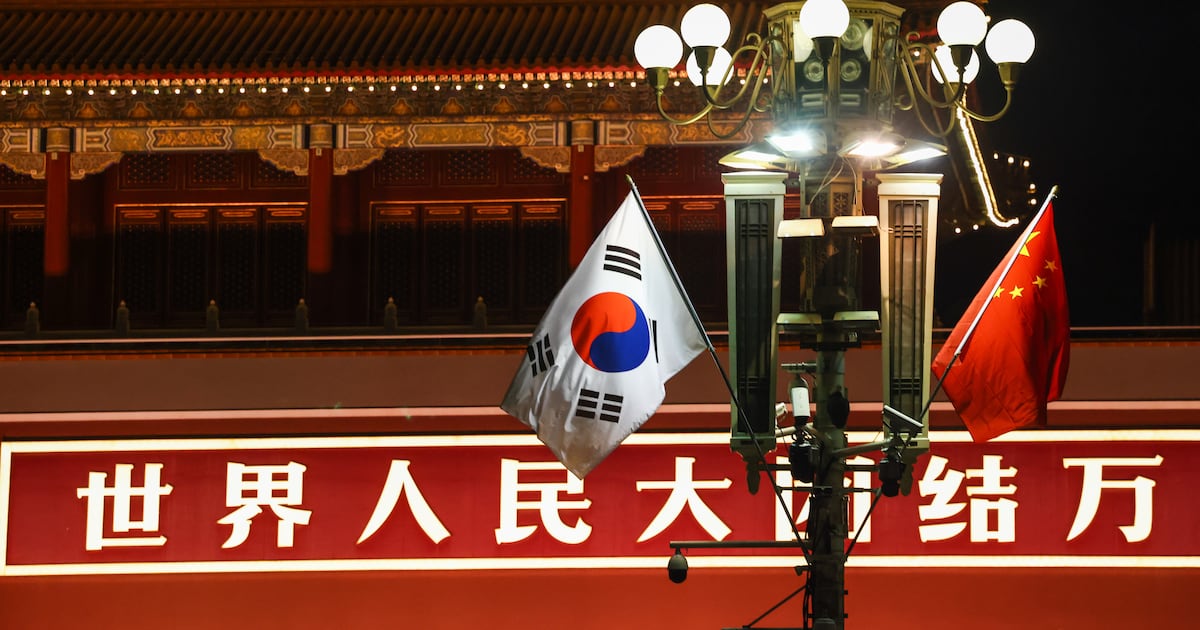
During a significant diplomatic visit, South Korean President Lee Jae Myung is in China, where he is engaged in discussions with Chinese President Xi Jinping. This visit represents a notable shift in China’s foreign policy, contrasting its approach to Seoul and Tokyo. The events underscore Beijing’s intentions regarding Taiwan and its economic strategies in the region.
Beijing’s Diplomatic Efforts with Seoul
President Lee’s visit comes after a tumultuous period in South Korea’s political landscape, marked by the impeachment of former President Yoon Suk Yeol. Lee, who took office in 2022, has pledged to rebalance the nation’s foreign policy, aiming for improved relations with China and renewed dialogue with North Korea. In meetings with Xi, the two leaders agreed to hold annual summits and signed various economic agreements.
China’s treatment of South Korea appears to be warming, as evidenced by its commitment to easing restrictions on trade. This includes addressing the unofficial ban on Korean cultural exports, such as K-pop concerts and television dramas, which has been in place since 2016. The restrictions were implemented following South Korea’s deployment of the American Terminal High Altitude Area Defence (THAAD) system, which China viewed as a security threat.
The backdrop of this renewed engagement involves a display of goodwill, with South Korea’s national flag prominently featured during President Lee’s visit. This contrasts sharply with China’s increasingly strained relations with Japan.
Pressure on Japan Amid Taiwan Concerns
China’s diplomatic charm offensive towards South Korea coincides with escalating tensions with Japan. Recently, Japanese Minister Sanae Takaichi indicated that Japan might consider deploying military forces in the event of an invasion of Taiwan. In response, China has imposed export controls on items destined for Japan that could be utilized for military purposes, potentially affecting up to 40 percent of its exports to the country.
Moreover, Beijing is contemplating further restrictions on the export of rare earth minerals, essential for Japanese manufacturing. These developments illustrate China’s use of economic measures as leverage against what it perceives as foreign interference regarding Taiwan.
Additionally, China has issued warnings to its citizens, advising them to avoid travel to Japan, where Chinese tourists constitute a significant portion of visitors, accounting for approximately a quarter of the annual total.
The contrasting approaches of Beijing towards Seoul and Tokyo highlight its strategic use of both engagement and pressure in regional diplomacy. As President Lee’s visit unfolds, the potential for increased economic cooperation and reduced tensions with South Korea may pave the way for a more stable relationship. In contrast, China’s stance towards Japan underscores its determination to assert its influence and discourage perceived threats to its territorial claims.
This diplomatic landscape is evolving rapidly, suggesting that both South Korea and Japan will need to navigate their relationships with China carefully in the coming months. As the situation develops, the implications for regional stability and economic partnerships will remain crucial.

Mother Reveals Daughter’s Meningitis Seizure After Night Out

Major Oil Spill Disrupts Traffic in Donegal on March 16, 2026

Discovering Literature: The Joys of Rejoining a Public Library

Ted Season 2 Announced: Release Date & Trailer Updates Revealed

Research Ireland and UKRI Forge New Collaboration Agreement

David McGoldrick’s Impressive Scoring Streak Sparks World Cup Talk

Plane Crash Claims Lives of Publishing Heir, Pregnant Wife, and Pilot

Oscars Snub Brigitte Bardot Sparks Controversy Over In Memoriam

Meta Plans Major Layoffs to Offset Rising AI Investment Costs

Tributes Surge for 9-Year-Old Leon Briody After Cancer Battle

Aimee Osbourne Joins Family for Emotional Tribute to Ozzy

Danny Healy-Rae Considers Complaint After Altercation with Garda

Hawaii Commemorates 80 Years Since Hiroshima Bombing with Ceremony

Ireland Enjoys Summer Heat as Hurricane Erin Approaches Atlantic

Couple Convicted of Murdering Two-Year-Old Grandson in Wales

Newcastle West Woman Patricia Foley Found Safe After Urgent Search

Fianna Fáil TDs Urgently Consider Maire Geoghegan-Quinn for Presidency

Gaza Aid Distribution Tragedy: 20 Killed Amid Ongoing Violence
-
 Top Stories7 months ago
Tributes Surge for 9-Year-Old Leon Briody After Cancer Battle
-
 Entertainment9 months ago
Aimee Osbourne Joins Family for Emotional Tribute to Ozzy
-
 Politics9 months ago
Danny Healy-Rae Considers Complaint After Altercation with Garda
-
 World9 months ago
Hawaii Commemorates 80 Years Since Hiroshima Bombing with Ceremony
-
 Top Stories8 months ago
Ireland Enjoys Summer Heat as Hurricane Erin Approaches Atlantic
-
 World9 months ago
Couple Convicted of Murdering Two-Year-Old Grandson in Wales
-
 Top Stories7 months ago
Newcastle West Woman Patricia Foley Found Safe After Urgent Search
-
 Top Stories9 months ago
Fianna Fáil TDs Urgently Consider Maire Geoghegan-Quinn for Presidency
-
 World9 months ago
Gaza Aid Distribution Tragedy: 20 Killed Amid Ongoing Violence
-

 World9 months ago
Aristocrat Constance Marten and Partner Convicted of Infant Murder
-

 Top Stories8 months ago
Hike Donegal’s Errigal Mountain NOW for Unforgettable Summer Views
-

 Top Stories8 months ago
Climbing Errigal: A Must-Do Summer Adventure in Donegal