
World
Peru’s Political Turmoil Raises Concerns Over China Relations

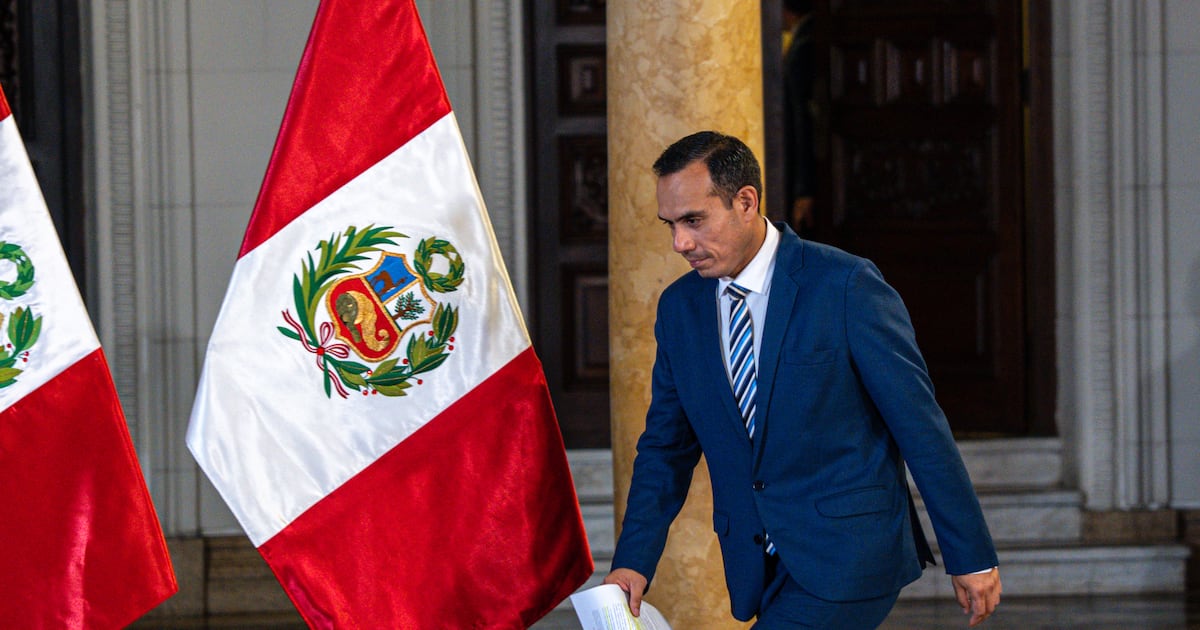
Peru’s political landscape has shifted dramatically once again, with the recent ousting of interim president José Jerí, marking the country’s eighth leadership change in just ten years. On March 12, 2024, Congress voted to remove Jerí from office after only four months, following revelations of questionable dealings with Chinese businessmen. This move has intensified concerns in Washington regarding Peru’s growing ties with China, which has become the nation’s largest trading partner, surpassing the United States in 2015.
The circumstances surrounding Jerí’s removal involve ongoing investigations related to his clandestine meeting last December with two Chinese nationals. One of these individuals holds government contracts, while the other faces allegations of illegal logging. Additionally, Jerí has been scrutinized for late-night meetings with young women who subsequently received government appointments without clear qualifications. His tenure follows a troubling pattern, as two of his immediate predecessors were also removed from office, including Pedro Castillo, who was sentenced to 11 years in prison for attempting to undermine Peru’s democratic institutions.
Despite the political upheaval, the macroeconomic impact on Peru has been relatively stable. The country, one of the world’s largest copper producers, saw its economy grow by 3.4 percent in the past year, with inflation maintained at a modest 1.7 percent. Financial markets appeared unfazed by the political turmoil; stocks and bonds showed little reaction to Jerí’s ousting, and analysts remain cautiously optimistic about the upcoming election scheduled for April 12, 2024. Polling indicates that Lima mayor Rafael López Aliaga from the conservative Popular Renewal party is currently leading, alongside Keiko Fujimori of the right-wing populist Popular Force.
Concerns Over China’s Influence in Peru
The scandal surrounding Jerí’s relationship with Chinese businessmen comes at a time of heightened scrutiny regarding Peru’s ties with China. The Asian nation controls significant assets in Peru, including one of its largest copper mines and the majority of its electricity generators. Notably, China accounts for 33 percent of Peru’s trade, dwarfing the 14 percent share held by the United States.
The opening of the Chancay Port, a major new deepwater facility outside Lima, has further solidified China’s foothold in the country. Since its inauguration in November 2024, the port has reduced shipping times to China to just over three weeks and cut logistics costs by 20 percent. The port is majority-owned by Chinese shipping giant Cosco, which has raised alarms in Washington about the implications for national sovereignty. A recent court ruling stated that the port, being entirely financed by private capital, is not subject to oversight by Peru’s national transport infrastructure regulator, Ositran.
The U.S. State Department has expressed concerns, stating, “We support Peru’s sovereign right to oversee critical infrastructure in its own territory. Let this be a cautionary tale for the region and the world: cheap Chinese money costs sovereignty.” This statement underscores the increasing anxiety in Washington regarding China’s expanding influence in Latin America, especially in light of its strategic investments and partnerships.
Washington’s apprehension is contrasted by its own foreign policy actions in the region. The U.S. has faced criticism for its recent interventions, including the controversial abduction of Venezuela’s president and military threats directed at Colombia, which raise questions about its commitment to respecting the sovereignty of independent Latin American states.
The unfolding situation in Peru reflects broader geopolitical dynamics, where the balance of power between traditional allies and emerging partners is being tested. As the country prepares for yet another leadership transition, the implications for its domestic stability and international relations remain a focal point for both regional and global observers.

Mother Reveals Daughter’s Meningitis Seizure After Night Out

Major Oil Spill Disrupts Traffic in Donegal on March 16, 2026

Discovering Literature: The Joys of Rejoining a Public Library

Ted Season 2 Announced: Release Date & Trailer Updates Revealed

Research Ireland and UKRI Forge New Collaboration Agreement

David McGoldrick’s Impressive Scoring Streak Sparks World Cup Talk

Plane Crash Claims Lives of Publishing Heir, Pregnant Wife, and Pilot

Oscars Snub Brigitte Bardot Sparks Controversy Over In Memoriam

Meta Plans Major Layoffs to Offset Rising AI Investment Costs

Tributes Surge for 9-Year-Old Leon Briody After Cancer Battle

Aimee Osbourne Joins Family for Emotional Tribute to Ozzy

Danny Healy-Rae Considers Complaint After Altercation with Garda

Hawaii Commemorates 80 Years Since Hiroshima Bombing with Ceremony

Ireland Enjoys Summer Heat as Hurricane Erin Approaches Atlantic

Couple Convicted of Murdering Two-Year-Old Grandson in Wales

Gaza Aid Distribution Tragedy: 20 Killed Amid Ongoing Violence

Newcastle West Woman Patricia Foley Found Safe After Urgent Search

Fianna Fáil TDs Urgently Consider Maire Geoghegan-Quinn for Presidency
-
 Top Stories10 months ago
Tributes Surge for 9-Year-Old Leon Briody After Cancer Battle
-
 Entertainment12 months ago
Aimee Osbourne Joins Family for Emotional Tribute to Ozzy
-
 Politics12 months ago
Danny Healy-Rae Considers Complaint After Altercation with Garda
-
 World1 year ago
Hawaii Commemorates 80 Years Since Hiroshima Bombing with Ceremony
-
 Top Stories11 months ago
Ireland Enjoys Summer Heat as Hurricane Erin Approaches Atlantic
-
 World1 year ago
Couple Convicted of Murdering Two-Year-Old Grandson in Wales
-
 World1 year ago
Gaza Aid Distribution Tragedy: 20 Killed Amid Ongoing Violence
-
 Top Stories10 months ago
Newcastle West Woman Patricia Foley Found Safe After Urgent Search
-
 Top Stories1 year ago
Fianna Fáil TDs Urgently Consider Maire Geoghegan-Quinn for Presidency
-

 World1 year ago
Aristocrat Constance Marten and Partner Convicted of Infant Murder
-

 Top Stories12 months ago
Climbing Errigal: A Must-Do Summer Adventure in Donegal
-

 Top Stories12 months ago
Hike Donegal’s Errigal Mountain NOW for Unforgettable Summer Views