
World
Rubio Champions Transatlantic Unity at Munich Security Conference

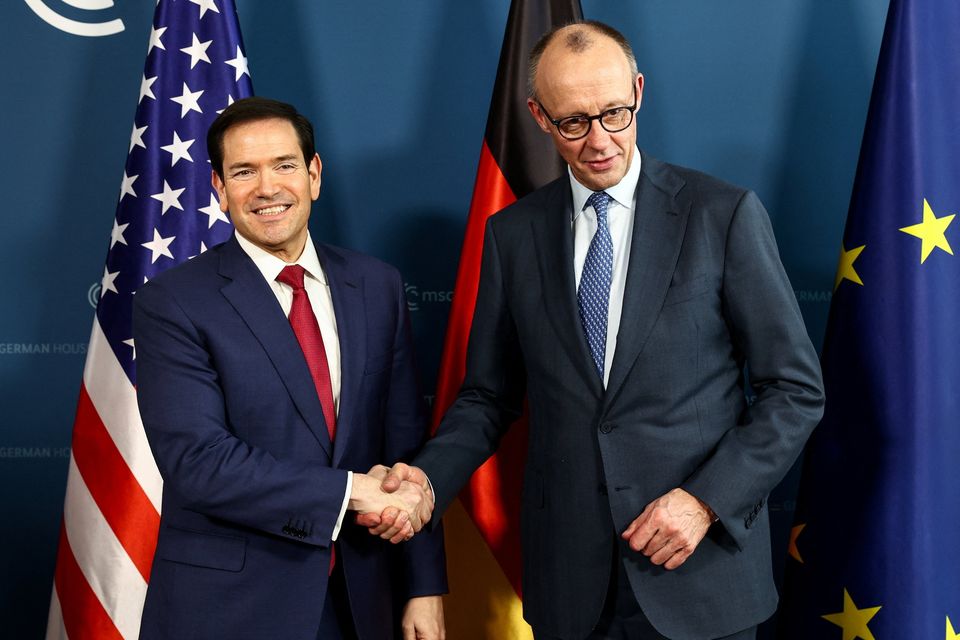
U.S. Secretary of State Marco Rubio delivered a powerful message of solidarity with Europe during his keynote address at the Munich Security Conference on February 13, 2026. He emphasized that the future of the United States is closely linked with Europe, reaffirming Washington’s commitment to the Transatlantic alliance. This speech marked a notable shift from the previous year, when Vice President JD Vance criticized European leaders for stifling free speech and mishandling immigration.
Rubio declared, “In a time of headlines heralding the end of the Transatlantic era, let it be known and clear to all that this is neither our goal nor our wish.” He underscored that while the U.S. is geographically located in the Western Hemisphere, it remains fundamentally connected to Europe.
However, the Secretary of State did not shy away from addressing what he termed a “dangerous delusion” regarding the international order. He criticized the idea that global citizenship could replace national identity, cautioning against the pitfalls of open borders and unrestrained free trade. Rubio also took aim at what he referred to as the “climate cult,” arguing that such beliefs disregard human nature and historical lessons, leading to significant consequences for society.
In a blend of serious critique and light-hearted commentary, Rubio noted, “We made these mistakes together, and now together, we owe it to our people to face those facts.” He illustrated his commitment to collaboration with “our cherished allies and oldest friends,” reinforcing the importance of European resilience.
Rubio’s address came at a time of increased tension between the U.S. and its allies. Following Vance’s remarks last year, relations have been strained by tariff disputes and contentious foreign policy decisions, including President Donald Trump’s controversial proposals. The National Security Strategy released late last year described Europe as facing “civilizational erasure” due to economic decline and political instability.
Friedrich Merz, Chancellor of Germany, spoke just before Rubio, warning of a new era of great power politics. He emphasized that Germany and Europe must enhance their security and independence while seeking partnerships to strengthen the liberal order. Merz acknowledged the necessity of adapting to changing global dynamics.
The anticipation surrounding Rubio’s speech was palpable, with many world leaders eager to learn whether he would align with Vance’s earlier rhetoric or adopt a more reconciliatory tone. His conclusion received enthusiastic applause from the audience, prompting Wolfgang Ischinger, chairman of the Munich Security Conference, to commend him. “Mr. Secretary, I’m not sure you heard the sigh of relief through this hall when we were just listening to what I would interpret as a message of reassurance of partnership,” Ischinger remarked.
Rubio’s address not only sought to bridge diplomatic divides but also aimed to foster a renewed sense of partnership between the United States and Europe. As global geopolitical landscapes continue to shift, his assertions may play a crucial role in shaping future transatlantic relations.

Mother Reveals Daughter’s Meningitis Seizure After Night Out

Major Oil Spill Disrupts Traffic in Donegal on March 16, 2026

Discovering Literature: The Joys of Rejoining a Public Library

Ted Season 2 Announced: Release Date & Trailer Updates Revealed

Research Ireland and UKRI Forge New Collaboration Agreement

David McGoldrick’s Impressive Scoring Streak Sparks World Cup Talk

Plane Crash Claims Lives of Publishing Heir, Pregnant Wife, and Pilot

Oscars Snub Brigitte Bardot Sparks Controversy Over In Memoriam

Meta Plans Major Layoffs to Offset Rising AI Investment Costs

Tributes Surge for 9-Year-Old Leon Briody After Cancer Battle

Aimee Osbourne Joins Family for Emotional Tribute to Ozzy

Danny Healy-Rae Considers Complaint After Altercation with Garda

Hawaii Commemorates 80 Years Since Hiroshima Bombing with Ceremony

Ireland Enjoys Summer Heat as Hurricane Erin Approaches Atlantic

Couple Convicted of Murdering Two-Year-Old Grandson in Wales

Gaza Aid Distribution Tragedy: 20 Killed Amid Ongoing Violence

Newcastle West Woman Patricia Foley Found Safe After Urgent Search

Fianna Fáil TDs Urgently Consider Maire Geoghegan-Quinn for Presidency
-
 Top Stories10 months ago
Tributes Surge for 9-Year-Old Leon Briody After Cancer Battle
-
 Entertainment12 months ago
Aimee Osbourne Joins Family for Emotional Tribute to Ozzy
-
 Politics12 months ago
Danny Healy-Rae Considers Complaint After Altercation with Garda
-
 World1 year ago
Hawaii Commemorates 80 Years Since Hiroshima Bombing with Ceremony
-
 Top Stories11 months ago
Ireland Enjoys Summer Heat as Hurricane Erin Approaches Atlantic
-
 World1 year ago
Couple Convicted of Murdering Two-Year-Old Grandson in Wales
-
 World1 year ago
Gaza Aid Distribution Tragedy: 20 Killed Amid Ongoing Violence
-
 Top Stories10 months ago
Newcastle West Woman Patricia Foley Found Safe After Urgent Search
-
 Top Stories1 year ago
Fianna Fáil TDs Urgently Consider Maire Geoghegan-Quinn for Presidency
-

 World1 year ago
Aristocrat Constance Marten and Partner Convicted of Infant Murder
-

 Top Stories12 months ago
Climbing Errigal: A Must-Do Summer Adventure in Donegal
-

 Top Stories12 months ago
Hike Donegal’s Errigal Mountain NOW for Unforgettable Summer Views