
World
Russia Linked to Alexei Navalny’s Death by Dart Frog Poison

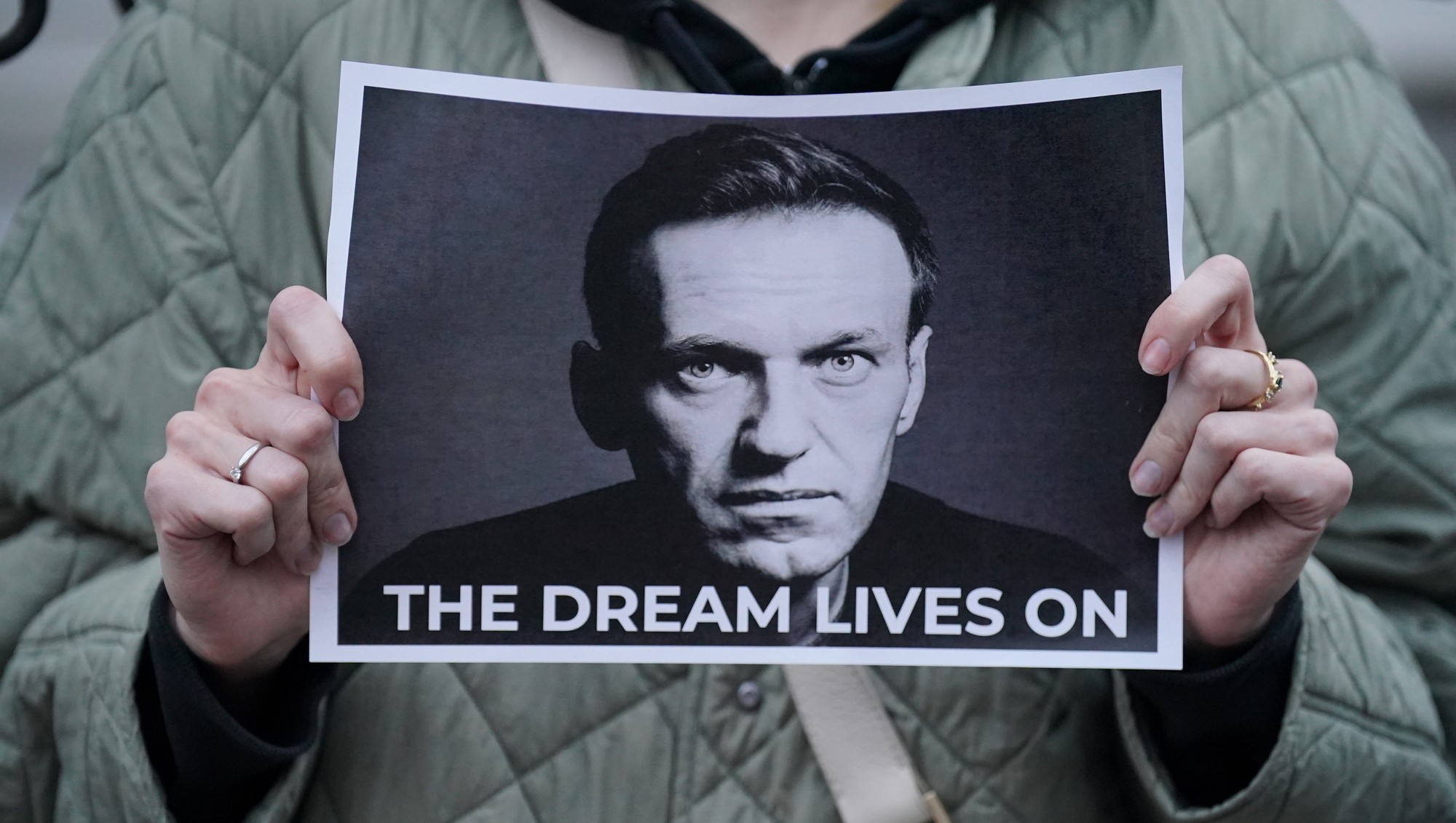
The death of Russian opposition leader Alexei Navalny has been attributed to a poison derived from dart frogs, according to a multi-nation intelligence inquiry involving the UK, France, Germany, Sweden, and the Netherlands. The findings indicate that Navalny was killed by a toxin known as epibatidine while he was imprisoned in a remote Arctic penal colony. This information was revealed on the second anniversary of his death, which occurred while he was serving a 19-year sentence.
Samples taken from Navalny’s body prior to his burial were analyzed in laboratories of two of the participating countries. The investigation concluded that the lethal toxin, found in the skin of Ecuador dart frogs, was present in his system, leading to his death. The intelligence agencies involved in the inquiry stated, “Only the Russian state had the means, motive and opportunity to deploy this lethal toxin to target Navalny during his imprisonment.”
The UK government described the act as “barbaric” and announced plans to report Russia to the Organisation for the Prohibition of Chemical Weapons for what they deemed a serious violation of the Chemical Weapons Convention.
Navalny’s wife, Yulia Navalny, expressed her gratitude for the investigation in a post on social media. In September, she had indicated that evidence of poison was found during the autopsy. “This poison causes paralysis, respiratory arrest, and a painful death,” she wrote. “I was certain from the first day that my husband had been poisoned, but now there is proof: Putin killed Alexei with [a] chemical weapon. I am grateful to the European states for the meticulous work they carried out over two years and for uncovering the truth. Vladimir Putin is a murderer. He must be held accountable for all his crimes.”
The Kremlin has a documented history of employing poison against its adversaries. High-profile cases include the 2006 assassination of Alexander Litvinenko in London through radioactive polonium and the nerve agent attack on former spy Sergei Skripal in Salisbury in 2018. These incidents have contributed to a global perception of Russia as a state that resorts to toxic means to silence dissent and eliminate critics.
The announcement of the findings came during the Munich Security Conference, a poignant reminder that Navalny’s death was publicly disclosed at the same event two years prior. In a brief address to the conference in 2024, Yulia Navalny stated, “I would like Putin and all his staff, everybody around him, his government, his friends, I want them to know that they will be punished for what they have done with our country. With my family and with my husband, they will be brought to justice. And this day will come soon.”
As the international community processes these revelations, the implications for diplomatic relations with Russia remain significant. The claims made by these five countries may influence future actions and responses regarding Russia’s conduct on the global stage. The ongoing scrutiny of Russia’s actions could lead to increased pressure for accountability as more evidence emerges regarding Navalny’s tragic demise.

Mother Reveals Daughter’s Meningitis Seizure After Night Out

Major Oil Spill Disrupts Traffic in Donegal on March 16, 2026

Discovering Literature: The Joys of Rejoining a Public Library

Ted Season 2 Announced: Release Date & Trailer Updates Revealed

Research Ireland and UKRI Forge New Collaboration Agreement

David McGoldrick’s Impressive Scoring Streak Sparks World Cup Talk

Plane Crash Claims Lives of Publishing Heir, Pregnant Wife, and Pilot

Oscars Snub Brigitte Bardot Sparks Controversy Over In Memoriam

Meta Plans Major Layoffs to Offset Rising AI Investment Costs

Tributes Surge for 9-Year-Old Leon Briody After Cancer Battle

Aimee Osbourne Joins Family for Emotional Tribute to Ozzy

Danny Healy-Rae Considers Complaint After Altercation with Garda

Hawaii Commemorates 80 Years Since Hiroshima Bombing with Ceremony

Ireland Enjoys Summer Heat as Hurricane Erin Approaches Atlantic

Couple Convicted of Murdering Two-Year-Old Grandson in Wales

Gaza Aid Distribution Tragedy: 20 Killed Amid Ongoing Violence

Newcastle West Woman Patricia Foley Found Safe After Urgent Search

Fianna Fáil TDs Urgently Consider Maire Geoghegan-Quinn for Presidency
-
 Top Stories10 months ago
Tributes Surge for 9-Year-Old Leon Briody After Cancer Battle
-
 Entertainment12 months ago
Aimee Osbourne Joins Family for Emotional Tribute to Ozzy
-
 Politics12 months ago
Danny Healy-Rae Considers Complaint After Altercation with Garda
-
 World1 year ago
Hawaii Commemorates 80 Years Since Hiroshima Bombing with Ceremony
-
 Top Stories11 months ago
Ireland Enjoys Summer Heat as Hurricane Erin Approaches Atlantic
-
 World1 year ago
Couple Convicted of Murdering Two-Year-Old Grandson in Wales
-
 World1 year ago
Gaza Aid Distribution Tragedy: 20 Killed Amid Ongoing Violence
-
 Top Stories10 months ago
Newcastle West Woman Patricia Foley Found Safe After Urgent Search
-
 Top Stories1 year ago
Fianna Fáil TDs Urgently Consider Maire Geoghegan-Quinn for Presidency
-

 World1 year ago
Aristocrat Constance Marten and Partner Convicted of Infant Murder
-

 Top Stories12 months ago
Climbing Errigal: A Must-Do Summer Adventure in Donegal
-

 Top Stories12 months ago
Hike Donegal’s Errigal Mountain NOW for Unforgettable Summer Views