
World
Supreme Court Rules Against Trump’s Global Tariffs, Sparks Controversy

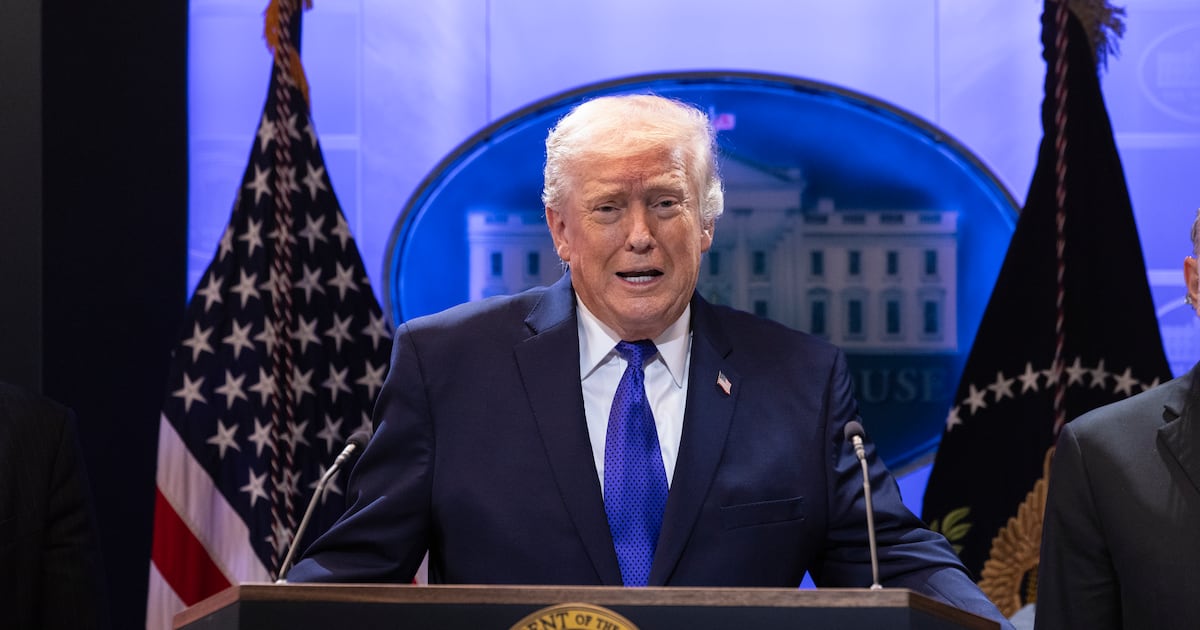
The US Supreme Court ruled on March 15, 2024, that President Donald Trump exceeded his authority by imposing global tariffs, leading to immediate backlash from the administration. Following the six-three decision, Trump announced a new 10 percent global tariff, stating it would be applied “over and above normal tariffs already being charged.” This move comes in the wake of a ruling that invalidated his broad interpretation of tariff powers under the International Emergency Economic Powers Act (IEEPA).
During a press briefing, Trump expressed his discontent, labeling the court’s decision as “deeply disappointing.” He criticized three conservative justices, including Chief Justice John Roberts, for what he described as a lack of courage, asserting that foreign nations benefiting from the ruling are “dancing in the streets.” Trump emphasized that even with the setback, he retains other legal avenues to address trade issues, specifically referencing section 122 of the Trade Act of 1974, which allows the president to tackle “large and serious” balance-of-trade challenges.
In the majority opinion, Chief Justice Roberts noted that Congress has explicitly defined the limits of tariff powers, indicating that Trump’s approach would represent a significant overreach of presidential authority. Notably, Trump’s own appointees to the Supreme Court, Neil Gorsuch and Amy Coney Barrett, sided with the ruling.
The president learned of the decision while attending a governor’s breakfast meeting at the White House. Reports indicate he reacted with anger, labeling the judgment a “disgrace” and expressing his frustration at the judiciary. Tariffs have been a central element of Trump’s economic strategy, serving both domestic and foreign policy objectives.
Just last month, he threatened tariffs against eight European Union nations while pursuing US control of Greenland. During a speech at a steel plant in Georgia, Trump reiterated his affinity for tariffs, referring to them as his “favourite word.” Despite his claims that tariffs are revitalizing US manufacturing, data from the US Census Bureau contradicts this narrative, revealing that the goods and services trade deficit remains at a historic high of $901 billion, with approximately 100,000 manufacturing jobs lost since his return to office.
While the ruling represents a significant setback for Trump, it was not entirely unexpected by the administration. Trade representative Jamieson Greer had previously indicated that Trump could pursue alternative legal routes, including section 301, to combat unfair trade practices, a strategy deployed against China during his first term.
The dissenting opinion from Justice Brett Kavanaugh, along with Justices Clarence Thomas and Samuel Alito, raised concerns over the practical implications of the ruling, particularly regarding the estimated $175 billion collected in tariffs which may require refunds.
In response to the ruling and Trump’s announcement of the new tariffs, Simon Harris, the Irish Minister for Finance, indicated that the government is “closely monitoring the situation.” He acknowledged that alternative legal bases for imposing tariffs could not be ruled out.
According to Trump, the new 10 percent global tariff is set to take effect in three days, further complicating an already tense trade landscape. As the administration navigates these challenges, the implications of the Supreme Court ruling and Trump’s actions will continue to unfold in the coming weeks.

Mother Reveals Daughter’s Meningitis Seizure After Night Out

Major Oil Spill Disrupts Traffic in Donegal on March 16, 2026

Discovering Literature: The Joys of Rejoining a Public Library

Ted Season 2 Announced: Release Date & Trailer Updates Revealed

Research Ireland and UKRI Forge New Collaboration Agreement

David McGoldrick’s Impressive Scoring Streak Sparks World Cup Talk

Plane Crash Claims Lives of Publishing Heir, Pregnant Wife, and Pilot

Oscars Snub Brigitte Bardot Sparks Controversy Over In Memoriam

Meta Plans Major Layoffs to Offset Rising AI Investment Costs

Tributes Surge for 9-Year-Old Leon Briody After Cancer Battle

Aimee Osbourne Joins Family for Emotional Tribute to Ozzy

Danny Healy-Rae Considers Complaint After Altercation with Garda

Hawaii Commemorates 80 Years Since Hiroshima Bombing with Ceremony

Ireland Enjoys Summer Heat as Hurricane Erin Approaches Atlantic

Couple Convicted of Murdering Two-Year-Old Grandson in Wales

Gaza Aid Distribution Tragedy: 20 Killed Amid Ongoing Violence

Newcastle West Woman Patricia Foley Found Safe After Urgent Search

Fianna Fáil TDs Urgently Consider Maire Geoghegan-Quinn for Presidency
-
 Top Stories10 months ago
Tributes Surge for 9-Year-Old Leon Briody After Cancer Battle
-
 Entertainment12 months ago
Aimee Osbourne Joins Family for Emotional Tribute to Ozzy
-
 Politics12 months ago
Danny Healy-Rae Considers Complaint After Altercation with Garda
-
 World1 year ago
Hawaii Commemorates 80 Years Since Hiroshima Bombing with Ceremony
-
 Top Stories11 months ago
Ireland Enjoys Summer Heat as Hurricane Erin Approaches Atlantic
-
 World1 year ago
Couple Convicted of Murdering Two-Year-Old Grandson in Wales
-
 World1 year ago
Gaza Aid Distribution Tragedy: 20 Killed Amid Ongoing Violence
-
 Top Stories10 months ago
Newcastle West Woman Patricia Foley Found Safe After Urgent Search
-
 Top Stories1 year ago
Fianna Fáil TDs Urgently Consider Maire Geoghegan-Quinn for Presidency
-

 World1 year ago
Aristocrat Constance Marten and Partner Convicted of Infant Murder
-

 Top Stories12 months ago
Climbing Errigal: A Must-Do Summer Adventure in Donegal
-

 Top Stories12 months ago
Hike Donegal’s Errigal Mountain NOW for Unforgettable Summer Views