
World
U.S. Intervention in Iran: Risks Grow Amidst Nationwide Protests

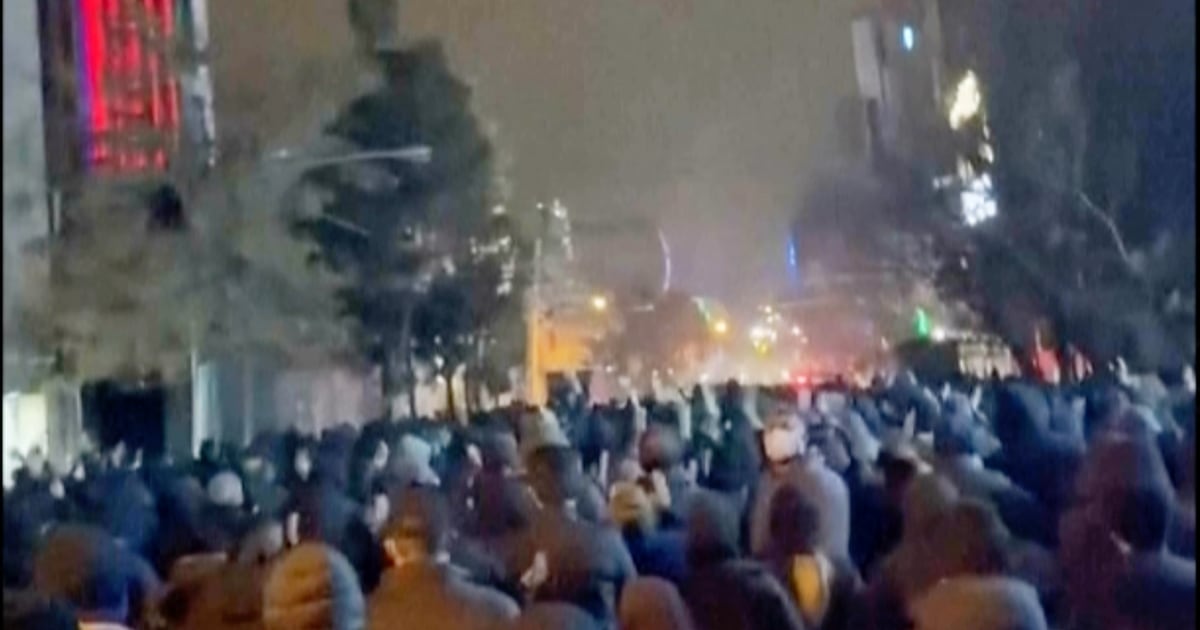
Mass protests have erupted across Iran, fueled by widespread dissatisfaction with the government’s handling of the economy and political situation. Following the collapse of the Iranian currency, the rial, which reached an alarming low of 1,450,000 to the dollar, citizens took to the streets demanding change. In response, Iranian President Masoud Pezeshkian pledged to address the concerns of the people, promising that the government would work to resolve the crisis.
Pezeshkian made his remarks during a televised address on December 28, 2024. He acknowledged that nearly 90 percent of the populace has grievances that need to be addressed. However, he differentiated between peaceful demonstrators—who he claimed have valid concerns—and those he labeled as “rioters” and “trained terrorists.” He suggested that these individuals are being incited by foreign entities to undermine the nation.
As protests grew and some escalated into violence, the Iranian authorities intensified their crackdown, resulting in numerous casualties. While the protests began among merchants in Tehran’s Grand Bazaar, they quickly spread to include activists, students, and truck drivers from various cities. The demonstrations shifted focus from economic issues to a broader discontent with the Islamic Republic itself and its leadership, particularly targeting Ayatollah Ali Khamenei, the country’s supreme leader.
In light of the unrest, former U.S. President Donald Trump has threatened military action against Iran in support of the protesters. He has called for significant changes to Iran’s policies, including the termination of its civilian nuclear program and restrictions on its missile capabilities, echoing a stance that some analysts have likened to the “Libya option.”
The Iranian leadership faces unprecedented pressure, particularly following an aerial assault by Israel and the United States in June 2024 that weakened its military capabilities. According to Hamzeh Safavi, a political analyst in Tehran, there is speculation about the emergence of a new leader who might adopt a more reformist approach similar to that of Saudi Crown Prince Mohammed bin Salman. Safavi stated, “It cannot be ruled out that the next leader adopts a more pragmatic or reformist approach.”
Despite the turmoil, the Iranian leadership retains support from key security forces, including the Islamic Revolutionary Guard Corps. The military, traditionally cautious about intervening in domestic protests, has threatened to suppress what it describes as “hostile terrorist groups.”
In the context of escalating tensions, the Wall Street Journal reported that Trump is set to receive a briefing on options for military intervention in Iran. Tehran has responded with threats of retaliation against U.S. assets in the Middle East. Safavi warned that any American intervention could be both risky and costly, with no clear advantages. He noted that past U.S. military actions in Iraq and Afghanistan, against adversaries that were relatively weaker, did not yield decisive victories.
Safavi further argued that maintaining a weakened Iran might better serve U.S. interests than the complete collapse of the Islamic Republic, which could lead to widespread instability and the emergence of armed groups threatening the region. He emphasized the importance of a new, balanced agreement between Tehran and Washington, stating, “It is in the interest of the U.S., Iran, and regional countries for Tehran and Washington to reach a new, balanced and fair comprehensive agreement.”
As Iran grapples with internal unrest and external pressures, the situation remains delicate. The international community continues to monitor developments closely, weighing the potential consequences of any foreign intervention in a nation undergoing profound change.

Mother Reveals Daughter’s Meningitis Seizure After Night Out

Major Oil Spill Disrupts Traffic in Donegal on March 16, 2026

Discovering Literature: The Joys of Rejoining a Public Library

Ted Season 2 Announced: Release Date & Trailer Updates Revealed

Research Ireland and UKRI Forge New Collaboration Agreement

David McGoldrick’s Impressive Scoring Streak Sparks World Cup Talk

Plane Crash Claims Lives of Publishing Heir, Pregnant Wife, and Pilot

Oscars Snub Brigitte Bardot Sparks Controversy Over In Memoriam

Meta Plans Major Layoffs to Offset Rising AI Investment Costs

Tributes Surge for 9-Year-Old Leon Briody After Cancer Battle

Aimee Osbourne Joins Family for Emotional Tribute to Ozzy

Danny Healy-Rae Considers Complaint After Altercation with Garda

Hawaii Commemorates 80 Years Since Hiroshima Bombing with Ceremony

Ireland Enjoys Summer Heat as Hurricane Erin Approaches Atlantic

Couple Convicted of Murdering Two-Year-Old Grandson in Wales

Newcastle West Woman Patricia Foley Found Safe After Urgent Search

Fianna Fáil TDs Urgently Consider Maire Geoghegan-Quinn for Presidency

Gaza Aid Distribution Tragedy: 20 Killed Amid Ongoing Violence
-
 Top Stories7 months ago
Tributes Surge for 9-Year-Old Leon Briody After Cancer Battle
-
 Entertainment8 months ago
Aimee Osbourne Joins Family for Emotional Tribute to Ozzy
-
 Politics9 months ago
Danny Healy-Rae Considers Complaint After Altercation with Garda
-
 World9 months ago
Hawaii Commemorates 80 Years Since Hiroshima Bombing with Ceremony
-
 Top Stories8 months ago
Ireland Enjoys Summer Heat as Hurricane Erin Approaches Atlantic
-
 World9 months ago
Couple Convicted of Murdering Two-Year-Old Grandson in Wales
-
 Top Stories7 months ago
Newcastle West Woman Patricia Foley Found Safe After Urgent Search
-
 Top Stories9 months ago
Fianna Fáil TDs Urgently Consider Maire Geoghegan-Quinn for Presidency
-
 World9 months ago
Gaza Aid Distribution Tragedy: 20 Killed Amid Ongoing Violence
-

 World9 months ago
Aristocrat Constance Marten and Partner Convicted of Infant Murder
-

 Top Stories8 months ago
Hike Donegal’s Errigal Mountain NOW for Unforgettable Summer Views
-

 Top Stories8 months ago
Climbing Errigal: A Must-Do Summer Adventure in Donegal