
World
European Leaders Consider Nuclear Deterrent Amid Growing Tensions

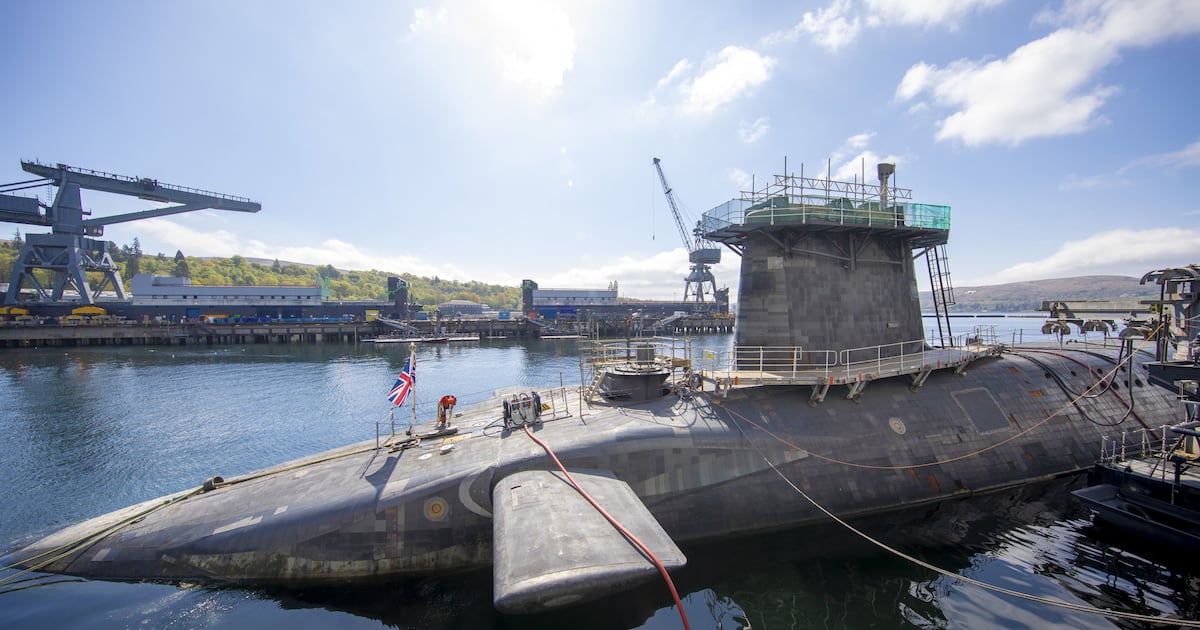
European leaders are increasingly discussing the establishment of an autonomous nuclear deterrent for the continent, driven by rising security concerns. On the eve of an important speech by French President Emmanuel Macron, speculation intensified regarding France’s role in expanding its nuclear capabilities beyond national borders. An official from the Élysée Palace emphasized that while Macron’s address on March 6, 2024, would outline significant shifts, it would not challenge the existing American nuclear umbrella in Europe.
The spokesperson reaffirmed France’s commitment to the Non-Proliferation Treaty (NPT) and emphasized that the country does not seek to engage in an arms race. “One element of our nuclear doctrine that is worth reiterating is our rejection of nuclear war,” the spokesperson stated. This comes as European leaders grapple with the implications of a perceived decline in U.S. commitment to NATO and increasing nuclear threats from Moscow.
The Munich Security Conference last month catalyzed discussions, with leaders like Karol Nawrocki, the President of Poland, advocating for the development of national nuclear capabilities. Similarly, Evika Siliņa, the Prime Minister of Latvia, expressed support for a greater nuclear presence in Europe, stating, “Nuclear deterrence can give us new opportunities. Why not?”
Despite these discussions, significant challenges remain. France and Britain are the only nuclear-armed nations in Europe, together possessing the world’s third-largest nuclear arsenal, following Russia and the United States. France maintains approximately 290 nuclear warheads deployed on submarines and air-launched cruise missiles, while Britain has around 225 warheads, solely on submarines. Although these arsenals are far smaller than those held by the U.S. and Russia, they are still capable of mass destruction.
The concept of countries like Poland developing independent nuclear arsenals raises legal and logistical concerns. Pursuing such an agenda would violate the NPT and entail exorbitant costs and technological hurdles. Instead, the ongoing discourse primarily revolves around leveraging existing French and British capabilities to create a cooperative European nuclear guarantee.
The Élysée’s assertion that any new initiative would not compete with the U.S. nuclear umbrella reflects a broader sentiment in Europe. This perspective advocates for a more robust European role in nuclear defense without undermining NATO’s collective security framework. However, this approach introduces complex governance issues regarding decision-making authority and raises deeper questions about national sovereignty.
During the Cold War, doubts lingered over whether the U.S. would protect European cities in the event of a nuclear crisis. Today, questions arise about whether France would prioritize Paris over Tallinn. While the United Kingdom’s Trident missiles rely heavily on U.S. infrastructure, even a hypothetical European deterrent would still depend on American intelligence and early warning systems. Developing autonomous space-based systems would require substantial financial investment and time, further straining European budgets already impacted by social welfare cuts.
Recent statements from the Kremlin indicate that it would target Estonia should that country host nuclear weapons aimed at Russia, which underscores the potential for heightened tensions. A new European deterrent could provoke further escalation in the region, complicating the security landscape.
There is skepticism about whether Washington would allow Europe to pursue a genuinely autonomous nuclear deterrent that aligns with a more independent foreign policy. As discussions continue, the stakes remain high for Europe in navigating its nuclear future amidst evolving global dynamics.

Mother Reveals Daughter’s Meningitis Seizure After Night Out

Major Oil Spill Disrupts Traffic in Donegal on March 16, 2026

Discovering Literature: The Joys of Rejoining a Public Library

Ted Season 2 Announced: Release Date & Trailer Updates Revealed

Research Ireland and UKRI Forge New Collaboration Agreement

David McGoldrick’s Impressive Scoring Streak Sparks World Cup Talk

Plane Crash Claims Lives of Publishing Heir, Pregnant Wife, and Pilot

Oscars Snub Brigitte Bardot Sparks Controversy Over In Memoriam

Meta Plans Major Layoffs to Offset Rising AI Investment Costs

Tributes Surge for 9-Year-Old Leon Briody After Cancer Battle

Aimee Osbourne Joins Family for Emotional Tribute to Ozzy

Danny Healy-Rae Considers Complaint After Altercation with Garda

Hawaii Commemorates 80 Years Since Hiroshima Bombing with Ceremony

Ireland Enjoys Summer Heat as Hurricane Erin Approaches Atlantic

Couple Convicted of Murdering Two-Year-Old Grandson in Wales

Gaza Aid Distribution Tragedy: 20 Killed Amid Ongoing Violence

Newcastle West Woman Patricia Foley Found Safe After Urgent Search

Fianna Fáil TDs Urgently Consider Maire Geoghegan-Quinn for Presidency
-
 Top Stories10 months ago
Tributes Surge for 9-Year-Old Leon Briody After Cancer Battle
-
 Entertainment12 months ago
Aimee Osbourne Joins Family for Emotional Tribute to Ozzy
-
 Politics12 months ago
Danny Healy-Rae Considers Complaint After Altercation with Garda
-
 World1 year ago
Hawaii Commemorates 80 Years Since Hiroshima Bombing with Ceremony
-
 Top Stories11 months ago
Ireland Enjoys Summer Heat as Hurricane Erin Approaches Atlantic
-
 World1 year ago
Couple Convicted of Murdering Two-Year-Old Grandson in Wales
-
 World1 year ago
Gaza Aid Distribution Tragedy: 20 Killed Amid Ongoing Violence
-
 Top Stories10 months ago
Newcastle West Woman Patricia Foley Found Safe After Urgent Search
-
 Top Stories1 year ago
Fianna Fáil TDs Urgently Consider Maire Geoghegan-Quinn for Presidency
-

 World1 year ago
Aristocrat Constance Marten and Partner Convicted of Infant Murder
-

 Top Stories12 months ago
Climbing Errigal: A Must-Do Summer Adventure in Donegal
-

 Top Stories12 months ago
Hike Donegal’s Errigal Mountain NOW for Unforgettable Summer Views