
Politics
US Forces Capture Maduro in Bold Operation, Trump Claims Control

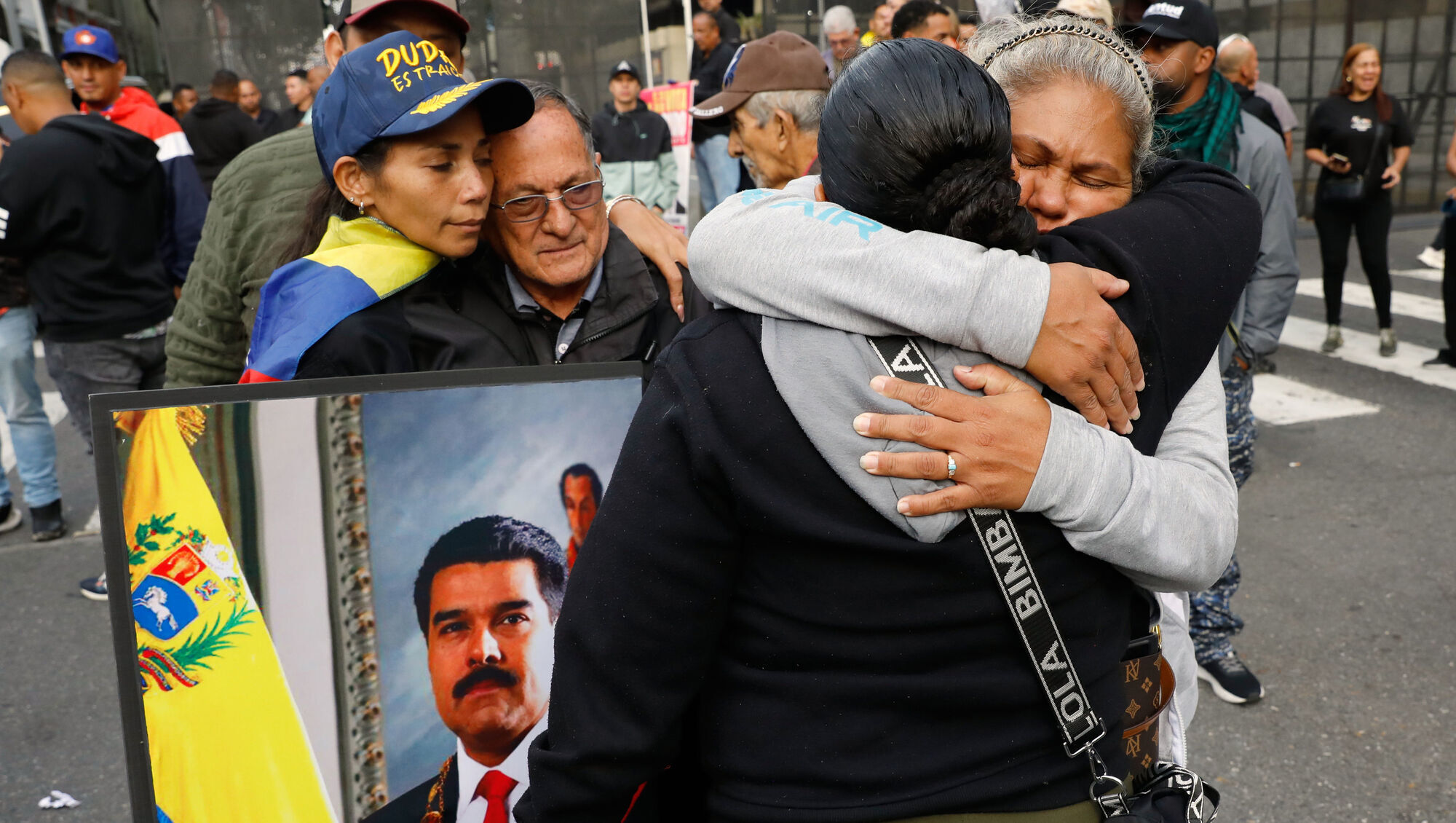
Venezuelan President Nicolas Maduro was apprehended on March 2, 2024, during a dramatic U.S. military operation in New York. This unprecedented action came after U.S. President Donald Trump ordered a raid aimed at seizing control of the South American nation, known for its vast oil reserves. The operation, which included significant strikes on military installations in Caracas, resulted in Maduro and his wife, Cilia Flores, being transported to a U.S. Navy ship before being flown to a detention center in Brooklyn.
During a press conference at his Mar-a-Lago resort, Trump stated, “We will run the country until such time as we can do a safe, proper and judicious transition.” This operation has raised numerous questions regarding legality and implications for U.S. foreign policy, particularly in Latin America.
Operation Details and Immediate Reactions
The operation was marked by extensive military activity, including power outages in parts of Caracas. U.S. Special Forces executed strikes on military targets to facilitate the capture. After arriving in New York, Maduro was swiftly taken to the Metropolitan Detention Center under heavy police guard. Images released by U.S. authorities depicted him handcuffed and blindfolded during his transport.
Maduro faces multiple federal charges, including conspiracy related to narco-terrorism, and is expected to appear in Manhattan federal court. The fallout from this operation has led to a power vacuum in Venezuela, with legal experts questioning the legitimacy of forcibly removing a foreign leader.
In Venezuela, Maduro’s vice president, Delcy Rodriguez, condemned the action as a “kidnapping,” demanding the immediate release of both Maduro and Flores. Rodriguez asserted that Maduro remains the legitimate leader of the nation, as a Venezuelan court has named her as interim president.
International Implications and Reactions
The U.S. operation has drawn criticism from global powers. Both Russia and China, key allies of Venezuela, condemned the actions, with China asserting that they represent “hegemonic behavior” that violates international law and Venezuela’s sovereignty. The UN Security Council is scheduled to convene to discuss the implications of this military intervention, which UN Secretary-General Antonio Guterres labeled as a “dangerous precedent.”
Trump’s declaration of an open-ended military presence in Venezuela parallels rhetoric used during previous U.S. interventions in Iraq and Afghanistan, which resulted in prolonged conflicts and significant American casualties. He asserted that the U.S. would be reimbursed for any military occupation through Venezuela’s oil revenues, stating, “It won’t cost us a penny.”
While many Western allies have denounced Maduro’s regime, Trump’s intentions to exploit Venezuela’s oil resources and restore its infrastructure raised alarms about the potential for further unrest. The operation has prompted mixed reactions among Venezuelans, with some expressing relief and others voicing concerns about the future.
In cities like Caracas, soldiers patrolled the streets, and small pro-Maduro demonstrations took place. Conversely, Venezuelan migrants around the world celebrated the news, with one migrant in Santiago, Chile, declaring, “We are free. We are all happy that the dictatorship has fallen.”
As the situation continues to evolve, the U.S. faces challenges in establishing a stable governance structure in Venezuela. Trump’s administration has not clarified who will govern once U.S. control is relinquished, leaving many uncertainties regarding the future political landscape in the country.
With significant implications for both domestic and international politics, the unfolding events in Venezuela will likely influence discussions ahead of the upcoming midterm elections in the United States. As voters express concern over domestic issues such as rising prices, the Trump administration’s focus on foreign intervention continues to be a contentious topic.

Mother Reveals Daughter’s Meningitis Seizure After Night Out

Major Oil Spill Disrupts Traffic in Donegal on March 16, 2026

Discovering Literature: The Joys of Rejoining a Public Library

Ted Season 2 Announced: Release Date & Trailer Updates Revealed

Research Ireland and UKRI Forge New Collaboration Agreement

David McGoldrick’s Impressive Scoring Streak Sparks World Cup Talk

Plane Crash Claims Lives of Publishing Heir, Pregnant Wife, and Pilot

Oscars Snub Brigitte Bardot Sparks Controversy Over In Memoriam

Meta Plans Major Layoffs to Offset Rising AI Investment Costs

Tributes Surge for 9-Year-Old Leon Briody After Cancer Battle

Aimee Osbourne Joins Family for Emotional Tribute to Ozzy

Danny Healy-Rae Considers Complaint After Altercation with Garda

Hawaii Commemorates 80 Years Since Hiroshima Bombing with Ceremony

Ireland Enjoys Summer Heat as Hurricane Erin Approaches Atlantic

Couple Convicted of Murdering Two-Year-Old Grandson in Wales

Newcastle West Woman Patricia Foley Found Safe After Urgent Search

Fianna Fáil TDs Urgently Consider Maire Geoghegan-Quinn for Presidency

Gaza Aid Distribution Tragedy: 20 Killed Amid Ongoing Violence
-
 Top Stories7 months ago
Tributes Surge for 9-Year-Old Leon Briody After Cancer Battle
-
 Entertainment8 months ago
Aimee Osbourne Joins Family for Emotional Tribute to Ozzy
-
 Politics8 months ago
Danny Healy-Rae Considers Complaint After Altercation with Garda
-
 World9 months ago
Hawaii Commemorates 80 Years Since Hiroshima Bombing with Ceremony
-
 Top Stories8 months ago
Ireland Enjoys Summer Heat as Hurricane Erin Approaches Atlantic
-
 World9 months ago
Couple Convicted of Murdering Two-Year-Old Grandson in Wales
-
 Top Stories7 months ago
Newcastle West Woman Patricia Foley Found Safe After Urgent Search
-
 Top Stories9 months ago
Fianna Fáil TDs Urgently Consider Maire Geoghegan-Quinn for Presidency
-
 World9 months ago
Gaza Aid Distribution Tragedy: 20 Killed Amid Ongoing Violence
-

 World9 months ago
Aristocrat Constance Marten and Partner Convicted of Infant Murder
-

 Top Stories8 months ago
Hike Donegal’s Errigal Mountain NOW for Unforgettable Summer Views
-

 Top Stories8 months ago
Climbing Errigal: A Must-Do Summer Adventure in Donegal