
Science
US Army Advances Humanoid Robot Development for Military Use

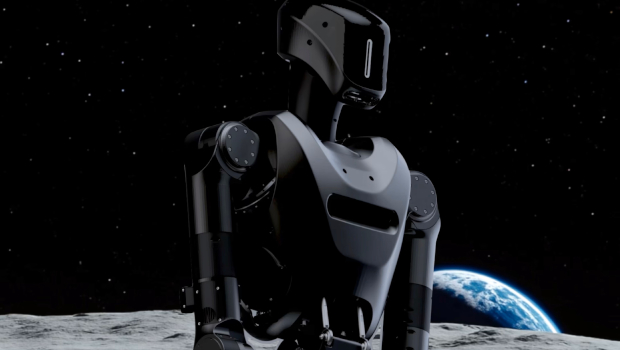
The US Army is exploring the integration of humanoid robots into military operations, with the development of the Phantom robot by California-based Foundation Future Industries. Designed specifically for military applications, the Phantom stands at 1.8 metres tall, weighs 82 kg, and has the capacity to carry over 20 kg of equipment or weapons. This initiative represents a significant shift in how military personnel may operate on the battlefield in the years to come.
The Phantom’s design prioritizes human-like mobility and adaptability. The upper torso is equipped with essential components, including sensors, computers, cameras, and batteries, allowing it to function effectively in environments built for human interaction. The lower torso features advanced actuators and a sophisticated balancing system, enabling the robot to navigate rough terrains, ascend stairs, and maintain stability even while carrying heavy loads.
Roles and Production Goals for the Phantom
Foundation Future Industries envisions the Phantom taking on multiple roles in combat scenarios, such as conducting surveillance, providing logistical support, transporting weapons, and replacing human personnel in high-risk situations. This includes operations in confined spaces or hazardous environments like caves. The company has set an ambitious production target of 50,000 Phantom robots for the US military by 2027.
While the Phantoms will not have full autonomy in combat decision-making, Foundation believes that their deployment could alter strategic calculations in warfare. The presence of these advanced machines may serve as a deterrent to potential conflicts, discouraging adversaries from engaging in hostilities. Foundation’s CEO, Sankaet Pathak, suggested in a Forbes article that a demonstration involving 100,000 Phantom robots could potentially prevent wars altogether.
Concerns About Military Robotics
Despite the optimism surrounding the Phantom, experts caution against the assumption that humanoid robots will inherently reduce the likelihood of conflict. Some analysts argue that the introduction of such technology could have the opposite effect, potentially increasing the chances of military engagement by diminishing the perceived risks and consequences associated with warfare.
As the development of the Phantom robot progresses, it raises significant questions about the role of robotics in modern warfare. The implications of deploying humanoid robots on a large scale will require careful consideration, both in terms of military strategy and the ethical dimensions of using machines in combat scenarios.
The advancement of the Phantom robot reflects a broader trend in military technology, where innovation seeks to enhance operational efficiency and safety. As the US Army continues to explore the potential of humanoid robots, the balance between technological capability and the complexities of human conflict remains a critical area of focus.

Mother Reveals Daughter’s Meningitis Seizure After Night Out

Major Oil Spill Disrupts Traffic in Donegal on March 16, 2026

Discovering Literature: The Joys of Rejoining a Public Library

Ted Season 2 Announced: Release Date & Trailer Updates Revealed

Research Ireland and UKRI Forge New Collaboration Agreement

David McGoldrick’s Impressive Scoring Streak Sparks World Cup Talk

Plane Crash Claims Lives of Publishing Heir, Pregnant Wife, and Pilot

Oscars Snub Brigitte Bardot Sparks Controversy Over In Memoriam

Meta Plans Major Layoffs to Offset Rising AI Investment Costs

Tributes Surge for 9-Year-Old Leon Briody After Cancer Battle

Aimee Osbourne Joins Family for Emotional Tribute to Ozzy

Danny Healy-Rae Considers Complaint After Altercation with Garda

Hawaii Commemorates 80 Years Since Hiroshima Bombing with Ceremony

Ireland Enjoys Summer Heat as Hurricane Erin Approaches Atlantic

Couple Convicted of Murdering Two-Year-Old Grandson in Wales

Gaza Aid Distribution Tragedy: 20 Killed Amid Ongoing Violence

Newcastle West Woman Patricia Foley Found Safe After Urgent Search

Fianna Fáil TDs Urgently Consider Maire Geoghegan-Quinn for Presidency
-
 Top Stories11 months ago
Tributes Surge for 9-Year-Old Leon Briody After Cancer Battle
-
 Entertainment1 year ago
Aimee Osbourne Joins Family for Emotional Tribute to Ozzy
-
 Politics1 year ago
Danny Healy-Rae Considers Complaint After Altercation with Garda
-
 World1 year ago
Hawaii Commemorates 80 Years Since Hiroshima Bombing with Ceremony
-
 Top Stories12 months ago
Ireland Enjoys Summer Heat as Hurricane Erin Approaches Atlantic
-
 World1 year ago
Couple Convicted of Murdering Two-Year-Old Grandson in Wales
-
 World1 year ago
Gaza Aid Distribution Tragedy: 20 Killed Amid Ongoing Violence
-
 Top Stories11 months ago
Newcastle West Woman Patricia Foley Found Safe After Urgent Search
-
 Top Stories1 year ago
Fianna Fáil TDs Urgently Consider Maire Geoghegan-Quinn for Presidency
-

 World1 year ago
Aristocrat Constance Marten and Partner Convicted of Infant Murder
-

 Top Stories12 months ago
Climbing Errigal: A Must-Do Summer Adventure in Donegal
-

 Top Stories12 months ago
Hike Donegal’s Errigal Mountain NOW for Unforgettable Summer Views