
Top Stories
Europe Urged to Scale Energy Innovations Amid Global Competition

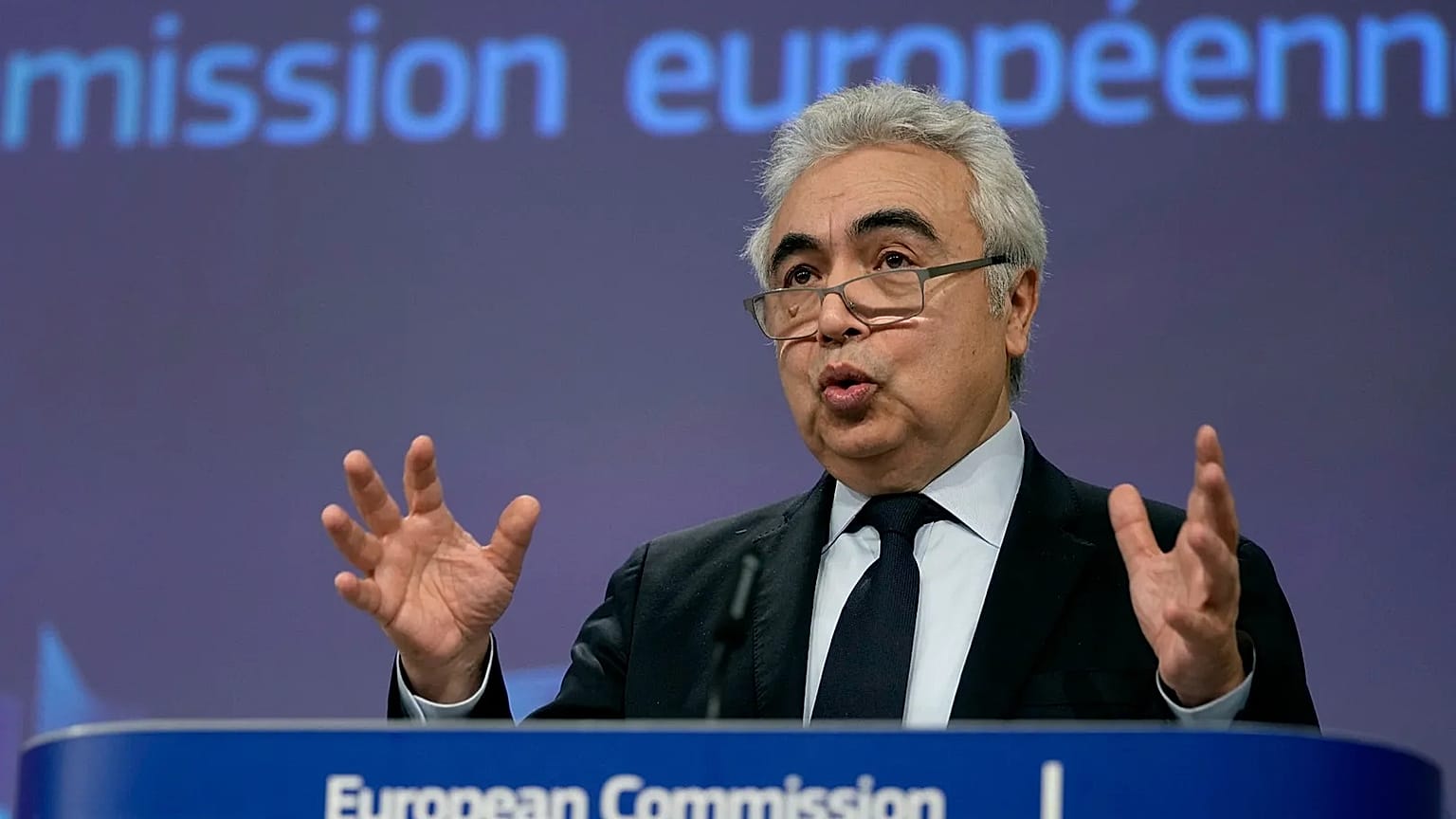
A recent report from the International Energy Agency (IEA) highlights Europe’s strengths in energy research but emphasizes the continent’s urgent need to improve the commercialization of its technological innovations. Released during the IEA’s ministerial meeting, the report warns that Europe risks becoming a mere research hub for global competitors if it fails to scale its advancements effectively.
The IEA’s findings indicate that while Europe excels at developing technologies such as small modular reactors (SMRs), fusion energy, and carbon capture and storage, it struggles to transition these breakthroughs into large-scale industrial applications. The report states, “Europe doesn’t have an innovation problem, but a scale problem.” This distinction reflects the continent’s impressive capability in pilot projects, yet a lack of pathways to commercial success.
Challenges and Opportunities in Energy Technology
The IEA’s report comes at a critical time as energy ministers convene to discuss recent technological achievements crucial for the European Union’s energy security and decarbonisation goals. The report identifies more than 150 major innovative breakthroughs in energy technology that could significantly enhance Europe’s competitive edge. These include advancements in air conditioning, perovskite solar cells, sodium-ion batteries, and next-generation geothermal systems.
Despite these innovations, environmentalists caution that current policy trajectories may undermine the EU’s commitments to achieving climate neutrality by 2050. The IEA’s Executive Director, Fatih Birol, stated, “Energy innovation has become a strategic priority for governments around the world.” He stressed that countries sustaining investments in research and early deployment will lead the next generation of energy technologies.
In 2023, the IEA noted that approximately 35% of the necessary CO2 reductions by 2050 would rely on technologies not yet commercially available. However, its latest assessment has reduced this figure to around one-quarter, providing some reassurance to energy policymakers.
Patents, Funding, and EU Initiatives
The report underscores the increasing importance of energy technologies as strategic economic assets. It highlights that patents and domestic technological capabilities are closely linked to national competitiveness. In 2025, European start-ups captured 25% of global energy venture capital, a significant increase from 15% five years earlier. Nevertheless, the United States maintained its lead, accounting for nearly half of all energy venture capital during the same period.
Despite the challenges, the IEA found that Europe continues to excel in various fields, including fusion energy and CO2 storage technologies. Notably, 40% of projects in advanced stages of the IEA’s technology tracker essential for achieving energy security by 2030 are based in Europe.
To address the commercialisation issue, the report points to the EU Competitiveness Fund, a €410 billion initiative aimed at enhancing industrial competitiveness. This fund is expected to bolster domestic technological capabilities and secure critical supply chains. Cecilia Bonefeld-Dahl, director general of Digital Europe, emphasized the necessity of aligning EU funding with innovation, stating, “Innovations left on university shelves do not bring benefits until they reach the market.”
European Commissioner for Energy and Housing Dan Jørgensen reaffirmed the immediate need for a clean energy transition, asserting that the expansion of wind and solar power in the EU has already circumvented approximately €59 billion in fossil fuel import costs between 2019 and 2024. He conveyed that the ultimate objective is not only to decarbonise but also to enhance the bloc’s energy security and achieve independence.
As Europe navigates the complexities of energy innovation and commercialization, the IEA’s report serves as both a warning and a call to action for policymakers to strengthen the continent’s position in the global energy landscape. The challenge lies not just in fostering innovation, but in ensuring that these advancements translate into tangible economic benefits for Europe and its citizens.

Mother Reveals Daughter’s Meningitis Seizure After Night Out

Major Oil Spill Disrupts Traffic in Donegal on March 16, 2026

Discovering Literature: The Joys of Rejoining a Public Library

Ted Season 2 Announced: Release Date & Trailer Updates Revealed

Research Ireland and UKRI Forge New Collaboration Agreement

David McGoldrick’s Impressive Scoring Streak Sparks World Cup Talk

Plane Crash Claims Lives of Publishing Heir, Pregnant Wife, and Pilot

Oscars Snub Brigitte Bardot Sparks Controversy Over In Memoriam

Meta Plans Major Layoffs to Offset Rising AI Investment Costs

Tributes Surge for 9-Year-Old Leon Briody After Cancer Battle

Aimee Osbourne Joins Family for Emotional Tribute to Ozzy

Danny Healy-Rae Considers Complaint After Altercation with Garda

Hawaii Commemorates 80 Years Since Hiroshima Bombing with Ceremony

Ireland Enjoys Summer Heat as Hurricane Erin Approaches Atlantic

Couple Convicted of Murdering Two-Year-Old Grandson in Wales

Gaza Aid Distribution Tragedy: 20 Killed Amid Ongoing Violence

Newcastle West Woman Patricia Foley Found Safe After Urgent Search

Fianna Fáil TDs Urgently Consider Maire Geoghegan-Quinn for Presidency
-
 Top Stories10 months ago
Tributes Surge for 9-Year-Old Leon Briody After Cancer Battle
-
 Entertainment12 months ago
Aimee Osbourne Joins Family for Emotional Tribute to Ozzy
-
 Politics12 months ago
Danny Healy-Rae Considers Complaint After Altercation with Garda
-
 World1 year ago
Hawaii Commemorates 80 Years Since Hiroshima Bombing with Ceremony
-
 Top Stories11 months ago
Ireland Enjoys Summer Heat as Hurricane Erin Approaches Atlantic
-
 World1 year ago
Couple Convicted of Murdering Two-Year-Old Grandson in Wales
-
 World1 year ago
Gaza Aid Distribution Tragedy: 20 Killed Amid Ongoing Violence
-
 Top Stories10 months ago
Newcastle West Woman Patricia Foley Found Safe After Urgent Search
-
 Top Stories1 year ago
Fianna Fáil TDs Urgently Consider Maire Geoghegan-Quinn for Presidency
-

 World1 year ago
Aristocrat Constance Marten and Partner Convicted of Infant Murder
-

 Top Stories12 months ago
Climbing Errigal: A Must-Do Summer Adventure in Donegal
-

 Top Stories12 months ago
Hike Donegal’s Errigal Mountain NOW for Unforgettable Summer Views